 PL
 EN
 FR
 RU
 DE
 AR
 ES
 PT
 IT
 NL
 SL
 ET
 RO
 CS
 EL
 LV
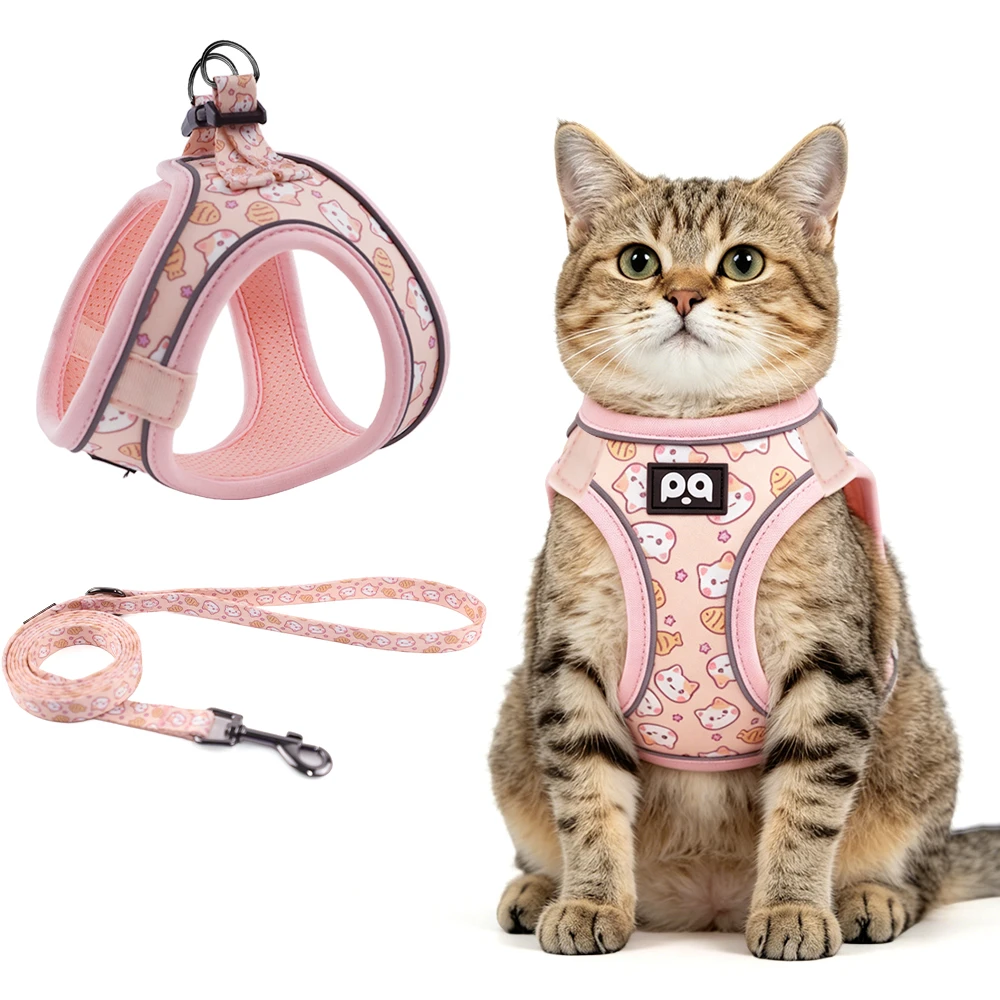
As a pet brand owner, you're searching for a reliable source for custom breakaway cat collars, but every option feels like a gamble. You're facing a choice between generic, low-quality products and manufacturers with impossibly high minimum orders.
The best way to choose a manufacturer is to evaluate them on three core pillars: proven safety mechanisms, deep customization capabilities, and a business model built for brand growth. A reliable partner will excel in all three areas.
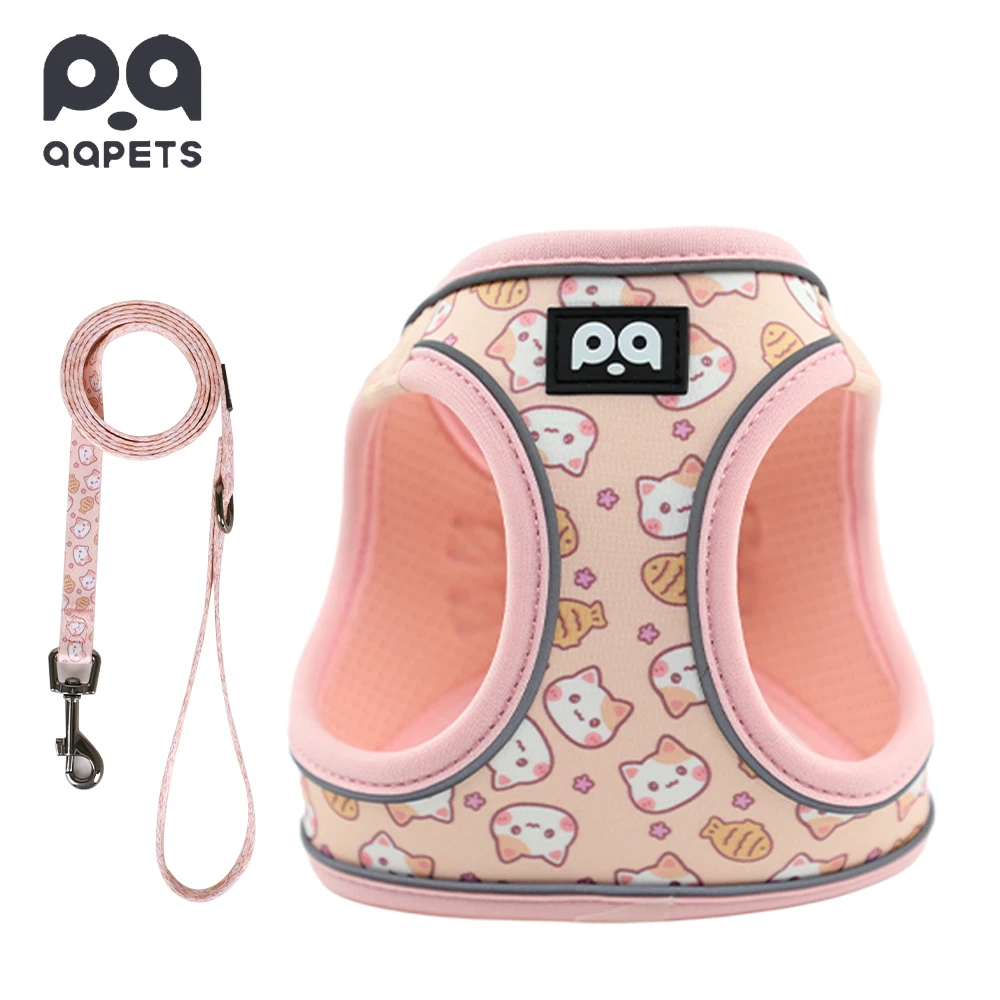
My name is Cathy, and as a pet traction customization expert at the fabryka qqpets, my job is to help brand builders like you succeed. I know the frustration of having a brilliant brand vision but being blocked by manufacturing hurdles. The cat collar market, in particular, carries a heavy responsibility. You're not just selling an accessory; you are selling a piece of safety equipment. Choosing the wrong supplier can lead to product failures that can damage a cat and destroy your brand's reputation overnight. This guide was written to give you, the wholesale buyer, a clear and actionable framework for choosing a manufacturing partner you can trust—one that will help you build a safe, unique, and profitable cat collar line.
Why Are Breakaway Cat Collars So Important?
You might think a cat collar is just a simple accessory, a place to hang a bell or a tag. You risk missing the single most important feature that responsible cat owners demand for their pets.
Breakaway cat collars are essential because they are designed to prevent accidents1. If a cat's collar gets snagged while climbing or exploring, the specially designed buckle will release, freeing the cat and preventing serious injury or strangulation.
This isn't just a minor feature; it's the entire foundation of the modern cat collar market. Cats are natural explorers. They climb trees, squeeze through fences, and investigate tight spaces. A standard, non-breakaway collar becomes a dangerous liability2 in these situations. A cat can get hung up, panic, and be put in a life-threatening situation. Savvy cat owners know this, and they actively search for products that address this risk. For them, the "breakaway" function is non-negotiable. As a brand, when you lead with the promise of a safe, reliable breakaway collar, you are speaking directly to the core concerns of your most conscientious customers. You are selling peace of mind, which builds a level of trust that no flashy pattern alone can achieve.
What Makes a High-Quality Breakaway Cat Collar?
You're browsing supplier catalogs, and all the cat collars start to look the same. You're worried you won't be able to tell a high-quality product from a cheap one until it's too late.
A high-quality collar is a system of three things working together: a precision-engineered safety buckle, soft yet durable webbing material, and reinforced construction. A failure in any one of these components compromises the entire product.
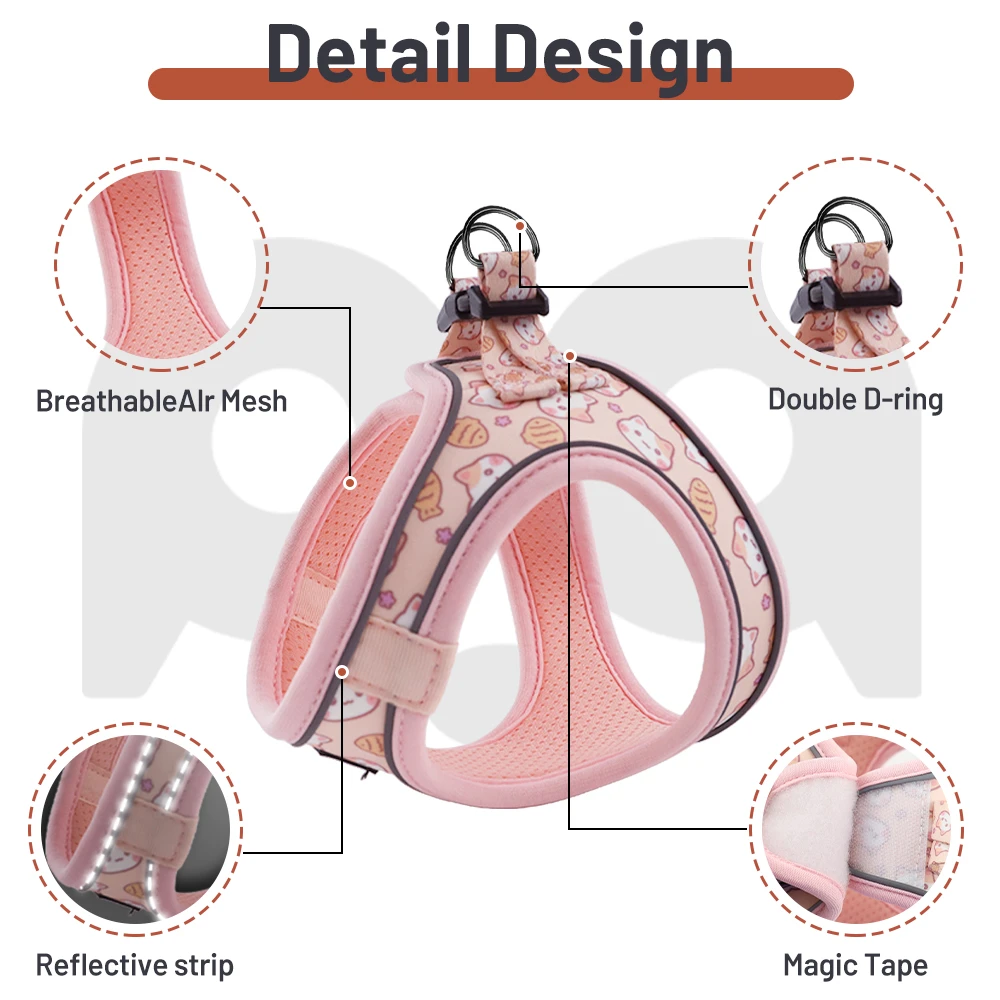
From a distance, a ten-cent collar and a one-dollar collar can look identical. But for a brand builder, the difference is everything. The quality is found in the details that affect safety, comfort, and longevity. A wholesale buyer must look past the surface-level photo and understand the components that define a truly premium product. A product that feels cheap or fails prematurely will lead to negative reviews and damage your brand's reputation. Building a brand on a foundation of quality is the only sustainable path to success.
| Component | What to Look For | Why It Matters for Your Brand |
|---|---|---|
| The Breakaway Buckle | A precision-engineered buckle that releases under a consistent, tested amount of force3. | This is your primary safety promise. An unreliable buckle is a massive liability for your brand. |
| The Webbing Material | Soft, lightweight, high-density polyester that is comfortable for the cat and holds printed colors vividly4. | This determines cat comfort (and whether they'll wear it) and the visual appeal of your custom designs. |
| Construction & Finishing | Clean, strong stitching, especially around the buckle. A lightweight, welded D-ring for tags. | This communicates a sense of quality and durability to the customer and prevents the collar from falling apart. |
How Do You Choose Reliable Breakaway Buckles?
You see the term "safety buckle" advertised by every supplier. You're concerned that it's just a marketing term and that the buckles you source might not actually be safe in a real-world emergency.
You must demand proof of function from your manufacturer. A truly reliable breakaway buckle is not just a piece of plastic; it's an engineered component designed to release consistently at a specific force (around 2-3 kg)5, and your supplier should be able to verify this.
This is the most critical technical detail in your product. The buckle has to perform a difficult balancing act. It must be strong enough to stay on during normal activity6, like playing or scratching. If it's too loose, the collar will constantly fall off, leading to customer complaints and returns. However, it must be weak enough to release instantly when a cat's body weight is applied to it, such as when it gets snagged. A buckle that is too strong is a complete failure of the product's core safety promise. As a factory specializing in pet products, we understand this nuance. We source our buckles from trusted suppliers and perform our own quality control tests to ensure they meet the specific tension requirements for cat safety. Don't just take a supplier's word for it; ask about their testing process.
What Are My Material and Design Options for Custom Cat Collars?
You want to create a line of cat collars that is uniquely yours, but you feel limited by the generic fabrics and patterns offered by most manufacturers. You feel like your brand's creativity is being held back.
Your options are limitless when you partner with a modern manufacturer. You can use soft, vibrant polyester as a blank canvas to print any custom pattern you can imagine, apply your own logo, and even add custom accessories like bells or charms.
This is where you can finally build a brand that stands out. Forget being forced to choose from a limited catalog of someone else's designs. We believe your brand's vision should be the only limit.
### Beyond Basic Materials
While some manufacturers still use basic nylon, we champion a soft-spun, high-density polyester for cat collars. It's noticeably softer and lighter, ensuring comfort for sensitive cats. Most importantly, it acts like a perfect canvas for high-resolution, full-color printing, making your designs pop with incredible vibrancy and detail.
### Create Your Own Patterns with AI
This is our game-changer for brands like yours. Our free 3D Mockup System includes a revolutionary AI Pattern Generator. You, the brand owner, can simply type in a text description of a pattern you want. For example:
- "A cute pattern of cartoon avocados and fish skeletons"
- "A Liberty of London-style floral print in pastel colors"
- "A geometric pattern inspired by aboriginal dot art"
In seconds, the AI will generate multiple, completely original, high-resolution patterns for your exclusive use. You can then instantly apply these patterns to a photorealistic 3D collar model to see how it looks. This process is free, fast, and puts you in complete creative control. This is how you create true product differentiation.
How Do You Manage Custom Logos, Colors, and Packaging?
Your brand is more than just a pattern; it's a complete identity. You're worried about how to apply your logo and create a professional retail presentation when ordering from a manufacturer.
A good private label manufacturer will offer a full suite of branding options. This includes different types of custom logos, precise color matching for your brand's palette, and even custom-printed backing cards for a retail-ready product.
We are a pet traction customization expert, and private labeling is at the core of what we do. We offer multiple ways to apply your logo directly onto the collar, from a classic woven label to a modern, durable PVC logo that gives a premium, 3D effect. Furthermore, our printing process allows for precise PMS color matching7, so the colors in your collar will perfectly match your branding and packaging. We can also work with you to produce custom packaging, such as branded backing cards, which elevates your product's perceived value8 and makes it ready for the shelves of a physical store or the unboxing experience of an e-commerce customer.
What Should Wholesale Buyers Check Before Ordering?
You've found a potential supplier and you're ready to move forward. You feel a sense of urgency, but you're also afraid of overlooking a critical detail that could cost you thousands of dollars.
Before placing any wholesale order, you must use a checklist to verify the manufacturer's core business promises. Focus on their MOQ, sample policy, quality certifications, and communication responsiveness. The answers will reveal their true nature as a partner.
A manufacturer's website can promise anything. Your job as a buyer is to verify those promises.
- Minimum Order Quantity (MOQ): Is it low enough for you to test new designs without huge risk? Our MOQ is just 50 pieces per design, a model we call "lightweight customization."
- Sample Policy: Will they provide a production-grade sample9 z your design before you commit to a bulk order? We have a "Sample in 3 Days" policy for this exact reason.
- Factory Status & Certifications: Are they a direct factory or a middleman trading company? Ask for their business license or certifications (like BSCI or ISO9001). As a direct, certified factory, we offer better prices and more control.
- Lead Times: Can they give you a clear and stable production time? Unreliable lead times can disrupt your entire business.
- Communication: Are they responsive, professional, and helpful? Good communication is a sign of a good partner.
How Should You Evaluate Samples and Quality Control?
Your sample has arrived. It looks good at first glance, but you're not a quality control expert. You don't know exactly what to inspect to ensure it meets your brand's standards.
When your sample arrives, you must conduct a hands-on-test of its three most critical features: the breakaway buckle's release tension, the quality and vibrancy of the printed pattern, and the integrity of the stitching.

The physical sample is your single best tool for risk mitigation. Don't just look at it; interact with it.
- Test the Buckle: Hold the collar and give the buckle a firm, steady pull. It should stay closed with a light tug but release with a stronger, sustained pull. It shouldn't feel loose, nor should it feel impossible to separate.
- Inspect the Print: Look closely at your custom pattern. Are the lines sharp? Are the colors rich and accurate to your design? There should be no bleeding or fading.
- Check the Construction: Examine the stitching around the buckle and the D-ring. It should be neat, tight, and reinforced. Feel the edges of the collar webbing; they should be smooth, not scratchy. Our "Sample in 3 Days" policy is designed to get this crucial decision-making tool into your hands as fast as possible.
How Do You Work with a Private Label Cat Collar Manufacturer?
The process of turning your idea into a real, branded product seems complicated. You envision endless emails, language barriers, and confusing technical specifications, which is holding you back from starting.
A professional private label manufacturer has a simple, streamlined process designed to guide you from idea to finished product. The entire workflow should be clear, transparent, and supported by an expert customer service team.
We've refined our process to make it as easy as possible for global entrepreneurs.
- Create Your Design: Use our free 3D Mockup System to create your patterns and visualize your final product in seconds.
- Consult & Refine: Share your design with our expert team. We'll provide feedback and confirm all the details.
- Approve Your Sample: Receive and approve your physical sample, ensuring it meets your quality standards.
- Place Your Bulk Order: Confidently place your low-MOQ wholesale order.
- Production & Delivery: We handle the certified manufacturing, quality control, and international shipping.
Our professional team is with you at every step. Ready to finally create that stunning collection of custom breakaway cat collars? Contact us today to begin the simple process.
Wnioski
Choosing a reliable manufacturer comes down to verifying their commitment to safety, their capacity for customization, and their support for your business model. A great partner makes creating a high-quality, profitable cat collar line simple.
"Feline Health Topics", https://www.vet.cornell.edu/departments-centers-and-institutes/cornell-feline-health-center/health-information/feline-health-topics. Veterinary welfare guidance explains that cat collars can become caught on objects and that quick-release mechanisms are intended to reduce entrapment and choking risks; this supports the safety rationale rather than proving that all breakaway collars prevent injury. Evidence role: expert_consensus; source type: institution. Supports: Breakaway cat collars are designed to prevent accidents when a cat's collar gets snagged.. Scope note: Supports the general safety rationale, not the performance of any specific collar model. ↩
"Should my cat wear a collar? - International Cat Care", https://icatcare.org/articles/should-my-cat-wear-a-collar. Cat welfare organizations commonly warn against rigid or non-quick-release collars because they may not open if caught; this supports the hazard distinction between fixed and quick-release collars, though it is not a product-liability analysis. Evidence role: expert_consensus; source type: institution. Supports: Non-breakaway cat collars can pose a safety hazard if they catch on objects.. Scope note: Contextual safety guidance, not legal evidence of liability. ↩
"Breakaway vs Non-Breakaway Collars", https://www.madebycleo.com/blogs/news/breakaway-vs-non-breakaway-collars?srsltid=AYCX9vKvTTxsuBqzVvrV2Plc9anX1q6YOR6X8P5WZIVGqqswph6HGO-Y. Product-safety testing guidance for quick-release closures describes evaluating the force required to separate a buckle, supporting the need for consistent release-force testing while not establishing a universal force threshold for every cat collar. Evidence role: mechanism; source type: research. Supports: A reliable breakaway buckle should release under a consistent, tested amount of force.. Scope note: Supports the testing concept, but acceptable force may vary by product design and cat size. ↩
"Direct Printing of Disperse Dye Inks to Polyester Fabrics ...", https://pubmed.ncbi.nlm.nih.gov/39315439/. Textile-printing literature notes that polyester is commonly printed with disperse dyes or sublimation processes that can produce durable, vivid coloration, supporting the print-quality claim in general terms. Evidence role: mechanism; source type: education. Supports: Polyester webbing can support vivid printed colors when appropriate textile-printing processes are used.. Scope note: Actual color quality depends on printing equipment, dye chemistry, and process control. ↩
"How to use your Rogz collar", https://help.tractive.com/hc/en-us/articles/360000965000-How-to-use-your-Rogz-collar. A source on cat quick-release collar testing should document typical release-force ranges or explain that buckles are tested against defined pull-force thresholds; if no formal standard exists, the citation should frame 2–3 kg as an industry or manufacturer testing target rather than a universal safety standard. Evidence role: statistic; source type: research. Supports: A breakaway cat collar buckle should release at a specific force, stated here as around 2–3 kg.. Scope note: The 2–3 kg figure may be an industry practice rather than a universally standardized requirement. ↩
"Breakaway Cat Collar Guide: Safety, Comfort, and Smart ...", https://followmypaw.com/breakaway-cat-collar/. Veterinary and animal-welfare guidance describes the purpose of quick-release collars as opening under pressure while remaining wearable during ordinary activity; this supports the functional tradeoff but does not validate any individual buckle design. Evidence role: mechanism; source type: institution. Supports: A breakaway buckle must balance everyday retention with emergency release.. Scope note: General mechanism support only; actual performance requires product testing. ↩
"Pantone Color Systems | Universal Language of Color", https://www.pantone.com/na/en-us/color-systems/pantone-color-systems-explained?srsltid=AYCX9vJUOXwiO4eS1LZXiG6e5Nc-gP9E-D4blhkmUFSblyZVNvs4UieM. References on the Pantone Matching System describe it as a standardized color-identification system used to communicate and reproduce colors across design and production workflows; this supports the meaning of PMS matching, not the accuracy of a specific factory's output. Evidence role: definition; source type: encyclopedia. Supports: PMS color matching is a standardized way to specify brand colors for production.. Scope note: Defines the system; does not verify a manufacturer's color-control performance. ↩
"The Impact of Visual Elements of Packaging Design on ... - PMC", https://pmc.ncbi.nlm.nih.gov/articles/PMC11851823/. Marketing research has found that packaging design can influence consumers' quality perceptions and purchase evaluations, supporting the claim that branded packaging may affect perceived value while not guaranteeing higher sales for a specific product. Evidence role: general_support; source type: paper. Supports: Custom or well-designed packaging can increase perceived product value.. Scope note: Contextual consumer-behavior evidence; effects vary by category, audience, and execution. ↩
"Annex 4 WHO guidelines for sampling of pharmaceutical ...", https://www.who.int/docs/default-source/medicines/norms-and-standards/guidelines/quality-control/trs929-annex4-guidelinessamplingpharmproducts.pdf?sfvrsn=f6273f30_2. Quality-assurance guidance treats pre-production or production-representative samples as tools for verifying specifications before full-scale manufacturing, supporting the role of samples in reducing sourcing risk without eliminating the need for batch inspection. Evidence role: mechanism; source type: education. Supports: Buyers should review a production-grade sample before committing to a bulk order.. Scope note: Samples reduce but do not remove the risk of later production variation. ↩