 Przejdź do treści
 PL
PL  EN
EN  FR
FR  RU
RU  DE
DE  AR
AR  ES
ES  PT
PT  IT
IT  NL
NL  SL
SL  ET
ET  RO
RO  CS
CS  EL
EL  LV
LV 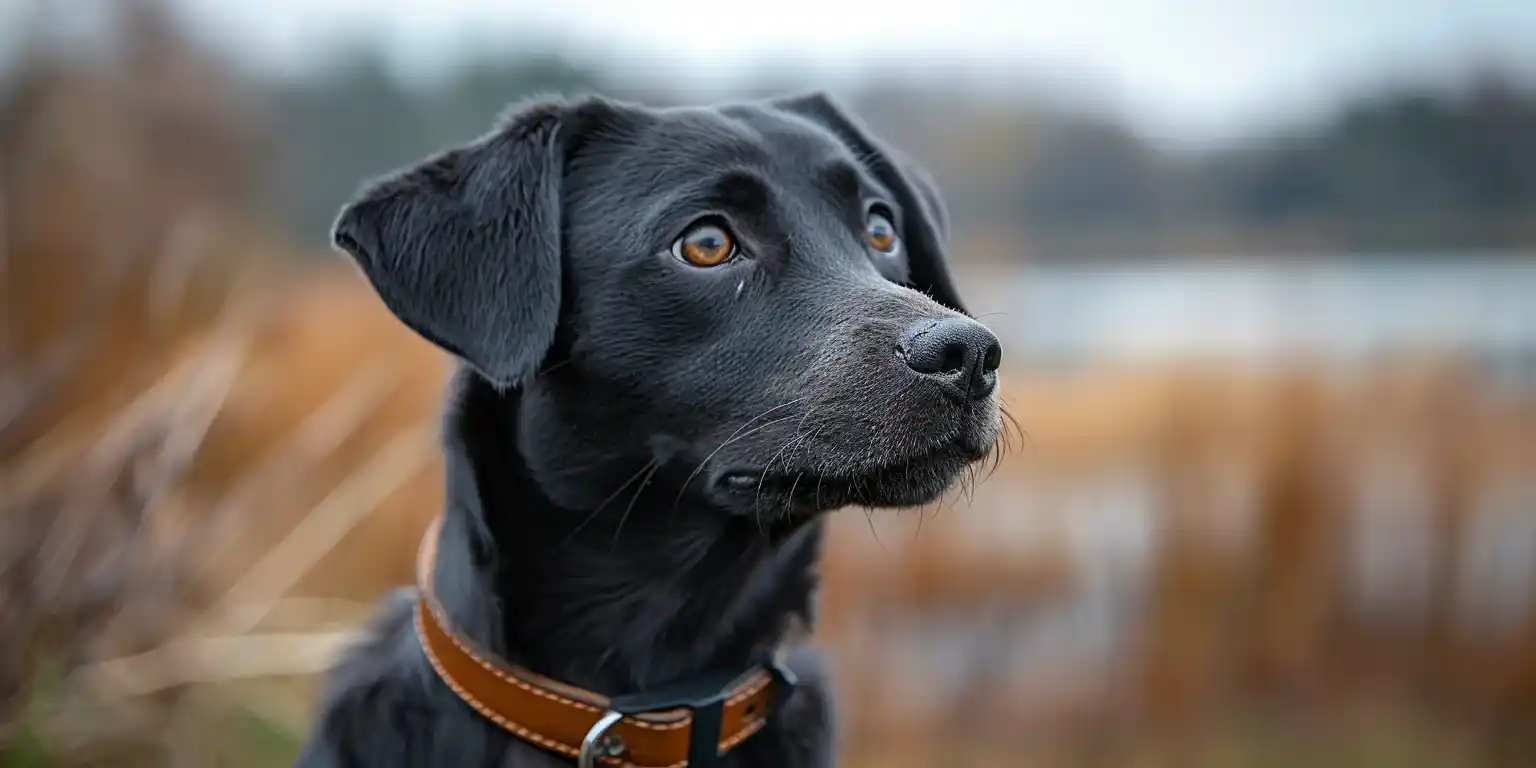
Does your dog often pull on his dog collar when you’re out walking him? Do you worry about whether the dog collar is hurting your dog’s neck and throat as a result? Let’s explore this question!
Yes, a collar can damage a dog’s throat if it is not used properly. Collars that are too tight, or those used with dogs that pull excessively, can put significant pressure on the throat.
W jaki sposób obroże szkodzą psom?
Collars can harm dogs in several ways if not used correctly or if they’re unsuitable for the dog’s behavior or physical needs. Here are some common ways collars can cause harm:
- Uszkodzenie tchawicy: Szczególnie u małych ras lub psów o delikatnych szyjach, ciasna obroża lub nadmierne ciągnięcie może powodować ucisk na tchawicę, prowadząc do jej zapadnięcia się lub trudności w oddychaniu.
- Urazy szyi: Nagłe szarpnięcia lub konsekwentne ciągnięcie może nadwyrężyć lub uszkodzić mięśnie szyi i kręgosłup szyjny. Jest to szczególnie problematyczne w przypadku większych lub silniejszych psów, które mocno ciągną za obrożę.
- Problemy skórne: A collar that’s too tight, or made from harsh materials, can cause irritation, chafing, or even cuts. Prolonged wear without proper adjustment or cleaning can lead to skin infections or hair loss around the neck.
- Zagrożenie zadławieniem: Jeśli obroża zaczepi się o przedmioty takie jak gałęzie lub meble, może stwarzać ryzyko zadławienia. Obroże zrywalne zostały zaprojektowane, aby temu zapobiec, ale standardowe obroże mogą być niebezpieczne w sytuacjach bez nadzoru.
- Problemy behawioralne: Niewłaściwe stosowanie obroży, zwłaszcza obroży korekcyjnych, takich jak łańcuchy dławiące lub obroże zaciskowe, może prowadzić do stresu, strachu i niepokoju, potencjalnie pogarszając problemy behawioralne, a nie poprawiając je.
Choosing the right collar based on the dog’s size, breed, behavior, and health needs, and using it properly, are essential to prevent these issues and ensure the safety and comfort of the dog.
Szczera prawda: presja i jej niebezpieczeństwa
A collar that’s too tight or used to yank and pull can be more than just a pain in the neck. It can actually cause physical damage to your dog’s throat, affecting everything from their breathing to their swallowing.
Nadmierny nacisk na gardło może prowadzić do zapadania się tchawicy, szczególnie u małych lub delikatnych ras.
Imagine trying to sip a thick milkshake through a squished straw—yep, not so easy or fun, right? That’s what it can feel like for a dog with a damaged trachea. And let’s not even start on the risk of nerve damage or skin irritation!
Właściwe dopasowanie: Znalezienie odpowiedniego kołnierzyka
Getting the fit of a collar just right is like tailoring a bespoke suit—it needs to be snug but not stifling. The golden rule? You should be able to slip two fingers comfortably between the collar and your dog’s neck.
An ill-fitting collar is not just uncomfortable; it’s a misstep that can lead to chafing and even long-term health issues.
Szukaj regulowanych obroży, które rosną wraz z psem i zapewniają wystarczającą swobodę ruchów bez zsuwania się z głowy podczas pogoni za wiewiórką. Pamiętaj też, że regularne sprawdzanie dopasowania jest kluczowe, gdy pies rośnie lub zmienia wagę.
Sprawy materialne: Wybieraj uprzejmie i mądrze
Not all collar materials are created equal, especially when it comes to your dog’s throat health. Materials that are too rough can rub them the wrong way, literally, causing irritation or even hair loss.
Wybierz obroże wykonane z miękkich, oddychających materiałów, takich jak wyściełany nylon lub naturalne tkaniny, aby zmniejszyć ryzyko podrażnień.
And for the posh pups out there, a well-oiled leather collar can combine style with comfort, molding to their neck for a fit that’s both safe and snazzy.
Techniki szkoleniowe: Sztuka łagodnego prowadzenia
A collar isn’t just for ID tags and leash attachment; it’s also a tool for communication during training. But remember, it’s not a device for dragging your dog around the block!
Use a collar as a gentle guide, not a control mechanism, to avoid unnecessary pressure on your dog’s throat.
Szkolenie z pozytywnym wzmocnieniem i unikanie ostrych korekt może pomóc psu skojarzyć obrożę z dobrymi rzeczami, a nie z dyskomfortem. A w przypadku psów ciągnących warto rozważyć uprząż, aby bardziej równomiernie rozłożyć nacisk.
Alternatywy i dostosowania: Wykorzystaj potencjał
If your dog’s throat is sensitive or they’re a notorious puller, a harness might be a more throat-friendly option. Harnesses distribute pressure across the chest and shoulders, relieving the neck from the frontline of force.
Dla psów z istniejącymi problemami z gardłem lub tych, które potrzebują dodatkowego prowadzenia, uprząż może być przełomem.
Niezależnie od tego, czy wybierzesz uprząż przednią, tylną czy wielopunktową, upewnij się, że jest dobrze dopasowana i zapewnia kontrolę, której potrzebujesz, bez uszczerbku dla komfortu.
Długotrwała miłość: Regularne kontrole i równowaga
Even the most comfortable collar needs a break now and then. Regularly inspecting your dog’s neck for signs of wear, like redness or hair loss, can prevent problems before they start.
Incorporate collar breaks, especially during downtime at home, to give your dog’s neck a chance to breathe and recover.
Ta rutynowa kontrola może być również momentem budowania więzi - pomyśl o tym jak o dniu spa, ale dla obroży i przytulanek!
Wnioski
While a collar can potentially harm a dog’s throat if not used properly, choosing the right type, ensuring a proper fit, and using it responsibly can make it a safe and effective tool for your dog’s adventures. Remember, the collar is just one part of your dog’s gear—your understanding and care make all the difference!
QQPETS jest wiodącym hurtowym producentem regulowanych szelek dla psów i innych przedmiotów, których ludzie mogą używać podczas spacerów z psami. Naszym celem jest ułatwienie wyprowadzania psów właścicielom zwierząt poprzez dostarczanie cennych akcesoriów. Oferujemy różnorodne usługi dostosowywania, w tym niestandardowe logo, niestandardowe grafiki, niestandardowe produkty i wiele innych. Jeśli chcesz rozpocząć działalność związaną z produktami dla psów, odwiedź naszą stronę internetową i skontaktuj się z nami już dziś.
FAQ dotyczące obroży dla psów
- Czy obroże dla psów mogą uszkodzić tchawicę? Tak, obroże dla psów mogą uszkodzić tchawicę, zwłaszcza jeśli pies mocno ciągnie na smyczy lub jeśli obroża jest zbyt ciasna. Jest to szczególnie niepokojące w przypadku małych ras i tych o delikatnej budowie szyi, u których nacisk na tchawicę może prowadzić do jej zapadnięcia się, powodując kaszel i trudności w oddychaniu.
- Czy obroża może zranić psa? Obroża może wyrządzić psu krzywdę, jeśli nie jest używana prawidłowo. Ciasne obroże mogą powodować ból szyi, ograniczać oddychanie i prowadzić do podrażnień lub urazów skóry. Co więcej, nagłe szarpnięcia smyczą mogą nadwyrężyć szyję i plecy, potencjalnie powodując długotrwałe uszkodzenia. Regularne kontrole i regulacje w celu zapewnienia właściwego dopasowania są niezbędne do zminimalizowania tego ryzyka.
- Czy obroża na szyję jest szkodliwa dla psów? A neck collar is not inherently bad for dogs, but it depends on the dog’s size, behavior, and any specific health issues. For dogs that do not pull and are well-trained, a properly fitted neck collar can be safe and effective. However, for dogs prone to pulling, those with respiratory or neck issues, or very active dogs, a harness might be a safer and more comfortable alternative.
