 ES
ES  EN
EN  FR
FR  RU
RU  DE
DE  AR
AR  PT
PT  IT
IT  NL
NL  PL
PL  SL
SL  ET
ET  RO
RO  CS
CS  EL
EL  LV
LV 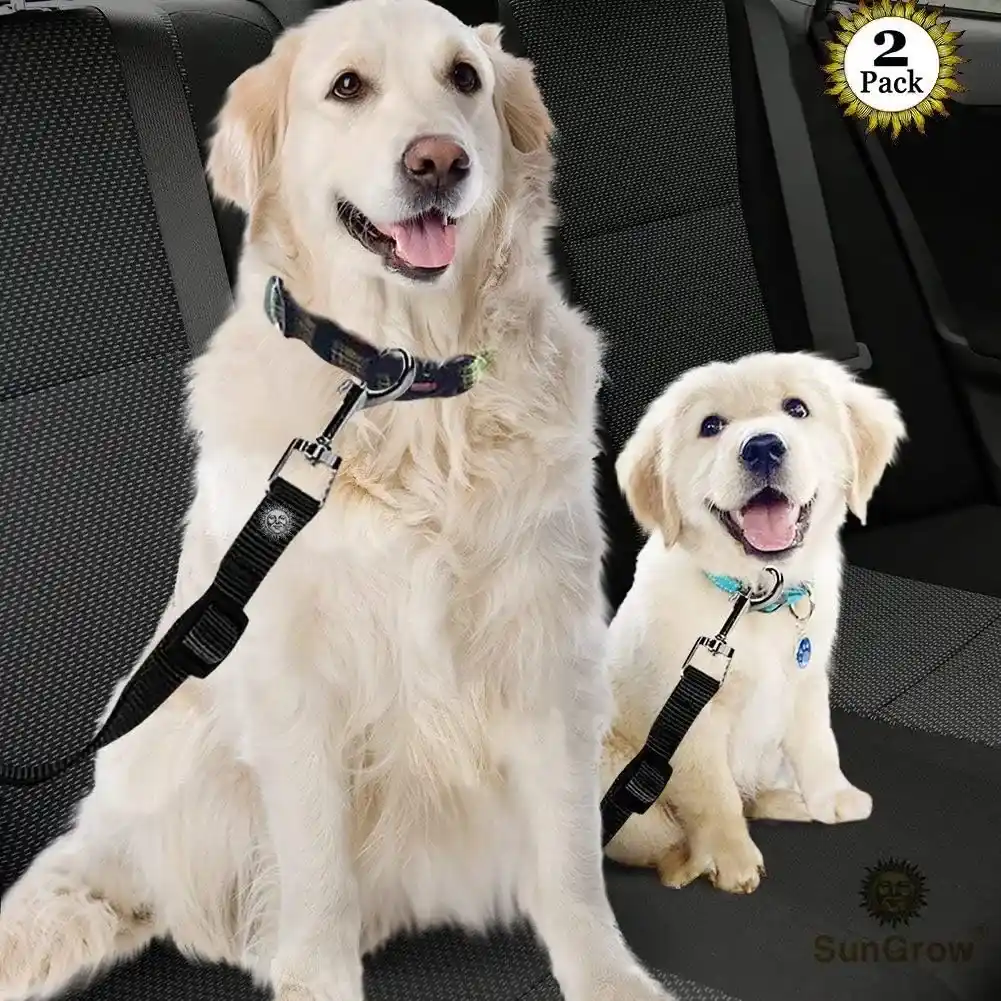
You want to launch a unique line of custom 2-dog collar sets, but you're struggling with design ideas that feel fresh and marketable. You're worried your concepts will either be too boring or too difficult to produce, leaving you with a generic product that doesn't sell.
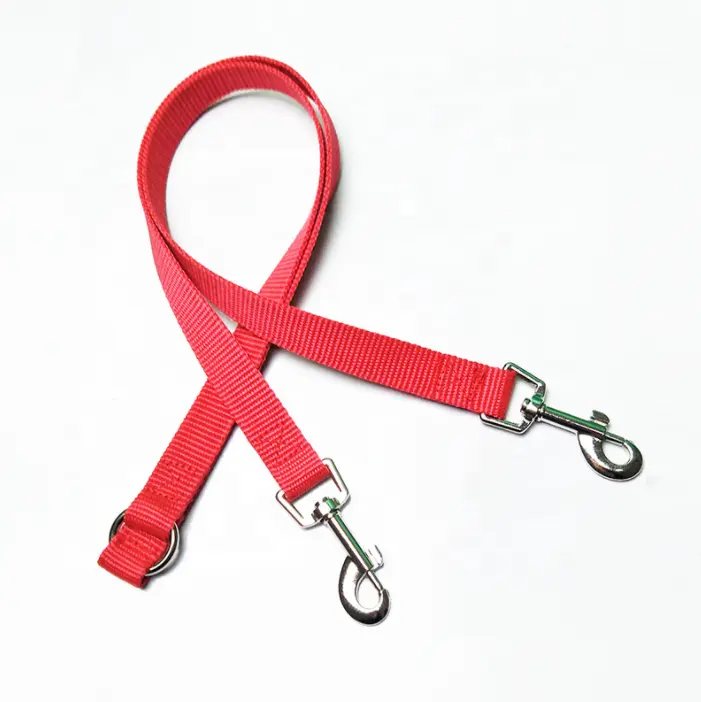
The best design ideas for 2-dog sets are those that create a story: "Complementary Contrasts" using color, "Themed Pairs" that reflect personality, and "Personalized Pairs" with names or text. These ideas are easily brought to life using an integrated factory design system with AI and 3D visualization1.
My name is Cathy, and as a custom pet gear specialist at qqpets, the most common question I hear from brand owners is not "Can you make this?" but "What should I make?" The creative process can be intimidating. Many people believe that great design ideas are reserved for professional artists. That's simply not true anymore. The secret to unlocking amazing, marketable design ideas is having a set of tools that allows for rapid, risk-free experimentation2. Our entire system is built to be your creative partner, turning your faintest idea into a stunning, production-ready design. Let's explore some powerful design concepts that you can create today.
How can you use color to create a stylish "pair" look?
You want your 2-dog set to feel like a cohesive pair, but making both collars identical is uninspired. You're concerned that if the designs are too different, they won't look like a deliberate set, confusing customers.
You achieve this by using the "Complementary Contrast" method. This involves applying the same core pattern3 to both collars but using inverse or complementary color schemes4 for each, creating a look that is both unified and distinct.
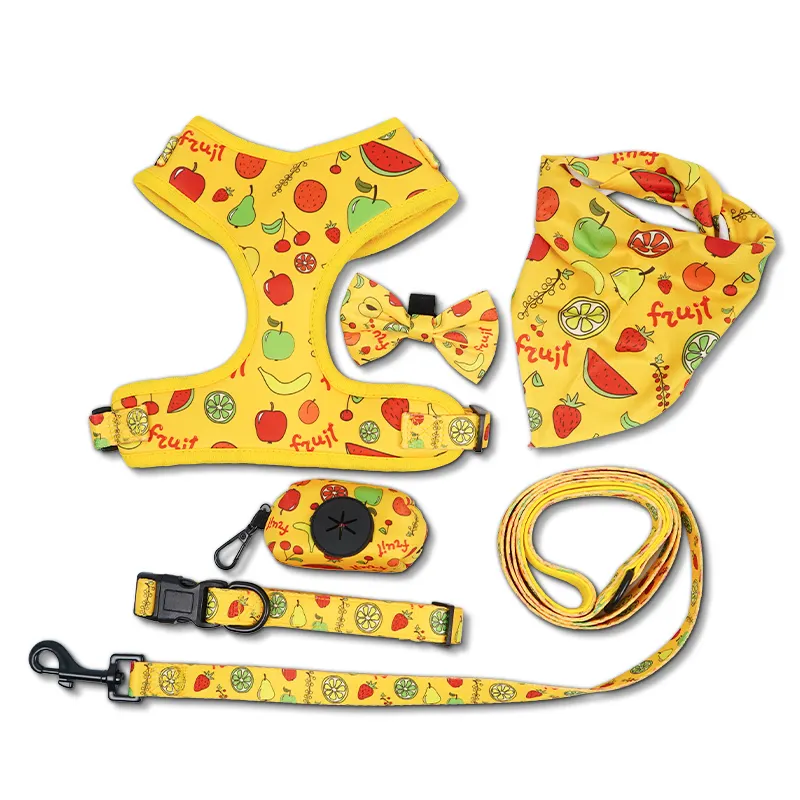
This is one of the most effective and professional-looking design strategies for pairs. It's a classic design principle that signals a high-end, thoughtful product5. Think of it as a "his and hers" or "yin and yang" concept applied to color. Instead of just selling two identical collars, you're selling a coordinated fashion statement. The beauty of this approach is that it is incredibly easy to execute when you have the right tools. This is a concept that can be visualized perfectly with our "Mockup in seconds" promise.
Bringing Color Theory to Life, Simply
You don't need a degree in art to master this. Our 3D Mockup System makes it simple.
- Generate Your Pattern: First, create your base Patrón personalizado. You could use our AI tool by typing, "Geometric honeycomb pattern," or select one from our huge free library.
- Create Pair #1: Apply this pattern to a collar. Let's say you make the honeycomb lines blue and the background white.
- Create Pair #2: Now, apply the exact same pattern to a second collar, but invert the colors: make the honeycomb lines white and the background blue.
Instantly, you have a stunning, complementary set that looks incredibly sophisticated. The designs are clearly related, but each dog has its own unique version. This process can be repeated with any color combination, allowing you to create endless variations.
| Design Concept | Collar 1 (Main/Accent) | Collar 2 (Main/Accent) | Market Appeal |
|---|---|---|---|
| Inverse Colors | Black / White | White / Black | Classic, Bold, Timeless |
| Complementary | Blue / Orange | Orange / Blue | Vibrant, High-Energy |
| Seasonal | Red / Green | Green / Red | Holiday, Festive |
| Pastel Pair | Baby Pink / Sky Blue | Sky Blue / Baby Pink | Soft, Cute, "Puppy" Theme |
How do you create designs that tell a story about the two dogs?
You want to connect with customers on an emotional level by offering designs that reflect the fun, quirky relationships between their dogs. You're just not sure how to turn abstract ideas like "best friends" or "trouble makers" into a visual pattern.
You do this by creating "Themed Pairs," using iconic duos as inspiration. These narrative-driven designs—like "Sun & Moon" or "Peanut Butter & Jelly"—are highly marketable and can be generated effortlessly with our factory's AI design tools.
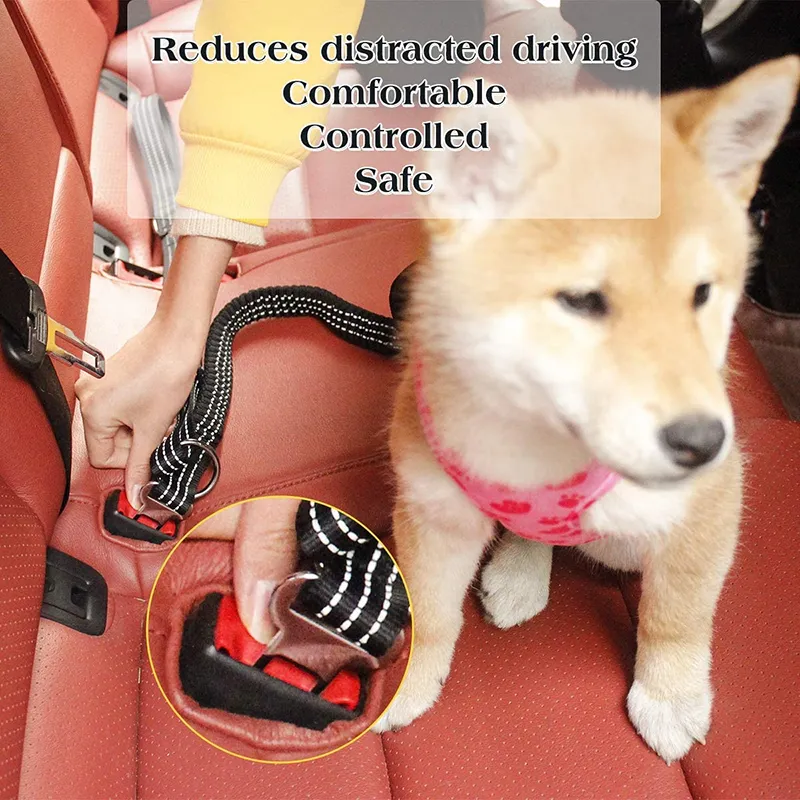
This is where you move beyond just selling a product and start selling a story6. Customers, especially online, love products that feel personal and relatable7. A themed set that captures the dynamic between their two pets is an instant conversation starter and a powerful driver of impulse buys8. The problem has always been the difficulty of creating these custom graphics. In the past, this would have required hiring a cartoonist or illustrator. Today, this entire creative process is handled by technology.
Your AI Storytelling Partner
Our system's AI pattern generator is the perfect tool for this. It turns your fun ideas into exclusive artwork9.
- Idea: You want to create a "Salty & Sweet" theme.
- Collar 1 Prompt: "A cute cartoon pattern of smiling pretzels."
- Collar 2 Prompt: "A cute cartoon pattern of smiling cupcakes."
- Result: The AI generates two unique, coordinating patterns that perfectly tell your story.
You can apply this to countless themes. Because each AI-generated pattern is original10, your brand gets an exclusive design that no one else has. This is a massive competitive advantage. This design differentiation is a core part of what we offer, allowing one new pattern to essentially create an entirely new product for your store.
| Themed Pair Idea | Collar 1 Pattern | Collar 2 Pattern | Customer Emotion |
|---|---|---|---|
| "The Classic Duo" | Salt Shaker Pattern | Pepper Shaker Pattern | Humorous, Familiar |
| "Opposites Attract" | Angel Wings & Halos | Devil Horns & Pitchforks | Playful, Cheeky |
| "Royal Pair" | Gold Crowns (King) | Silver Tiaras (Queen) | Elegant, Pampered |
| "Better Together" | Peanut Butter Jars | Jelly Jars | Adorable, Inseparable |
Can a design be both fun and functional at the same time?
You love the idea of creative patterns, but you also want to offer a practical feature that adds real value for the dog owner. You're worried that adding functional elements like names or phone numbers is too complicated for mass production.
Yes, a design can be both. You can easily integrate functional text like a dog's name or a contact number11 directly into your custom pattern. This "personalization" layer is simple to add in our design system and is perfectly feasible for production thanks to our low MOQ.
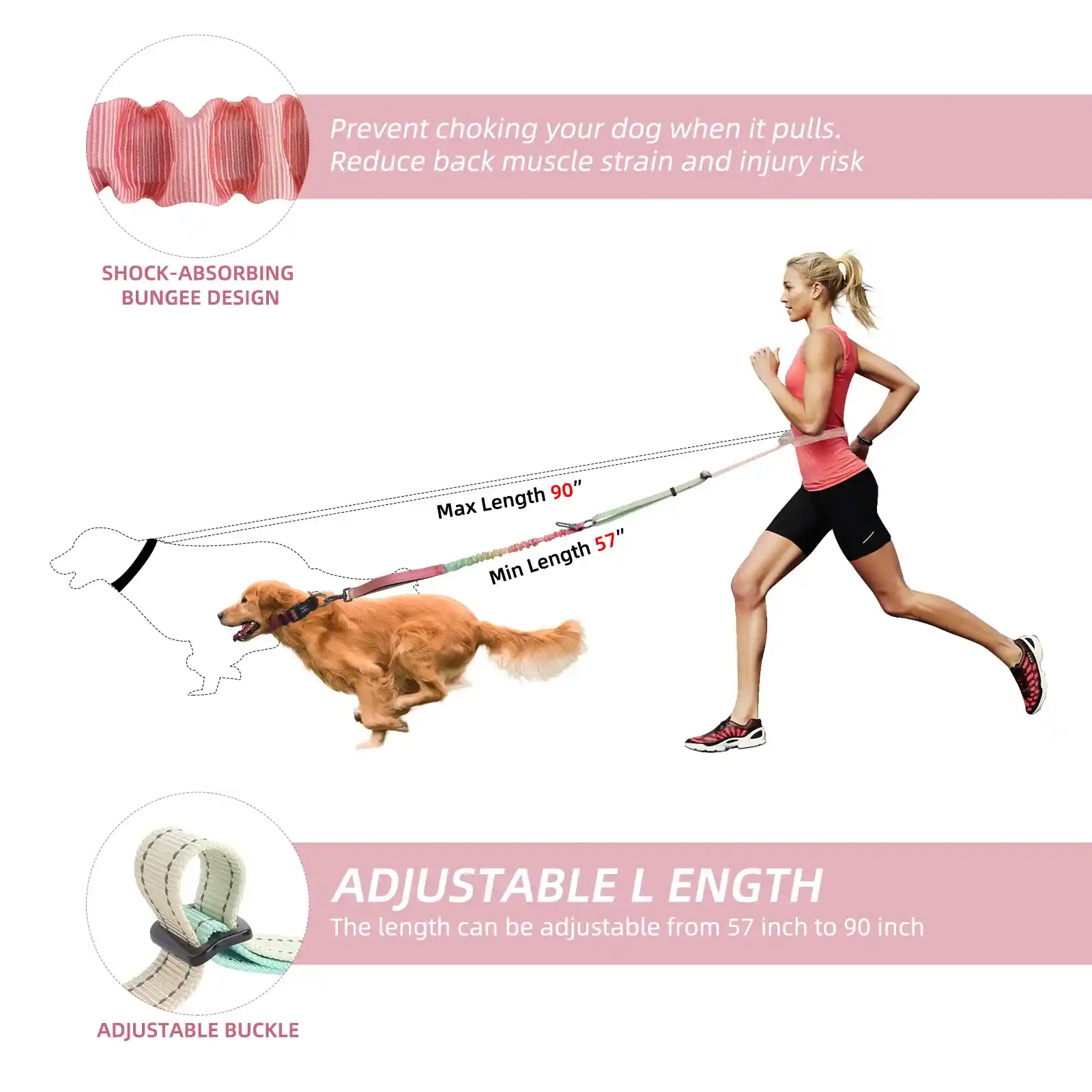
Personalization is one of the biggest trends in all of e-commerce12, and the pet space is no exception. Offering to add a dog's name to a collar transforms it from a generic accessory into a cherished item. Many brands assume this is only possible for one-off, hand-made products. But with a modern, integrated factory system, it's absolutely possible at scale. This is where our "lightweight customization" model shines.
Seamless Personalization for Your Brand
Our low MOQ of just 50 pieces per design makes offering personalization a low-risk, high-reward strategy.
- Offer as an Upgrade: You can sell your beautiful themed sets as-is, and also offer a version with "Custom Name" for a higher price.
- Simple Execution: Your customer places an order on your site with the two names. You then simply place an order with us for 50 sets with those names integrated into the design file. The text is printed as part of the dye-sublimation process, so it's permanent and won't rub off.
- Validate with a Sample: Unsure how the text will look? We can produce a "Sample in 3 Days" of your personalized design so you can approve the final product's font, size, and placement with complete confidence.
Beyond names, you can also create functional designs with pre-set text. Think of collars that say "NERVOUS," "IN TRAINING," or "FRIENDLY." These provide clear communication to others during walks and serve as a valuable tool for dog owners. This combination of beautiful design and practical function creates a product that customers will love and use every day. Ready to start creating? Contact our expert team to turn your design ideas into reality.
Conclusión
The best design ideas for 2-dog sets—complementary colors, themed pairs, and personalization—are easy to create with the right factory partner. Our system empowers you to design, visualize, and produce them.
"Product Design Courses", https://www.miad.edu/academic-programs/degree-programs/product-design/courses. Studies of digital product development note that AI-assisted generation and 3D visualization can support concept creation, visual evaluation, and communication before physical production. Evidence role: mechanism; source type: paper. Supports: AI and 3D visualization can help translate design ideas into mockups or production concepts.. Scope note: The evidence is contextual and does not verify the capabilities of the specific system named in the article. ↩
"Managing Problem-Solving Iterations in Product Development", https://isr.umd.edu/Labs/CIM/projects/premise/ps.pdf. Research on rapid prototyping and design iteration describes how quickly making and evaluating representations of a product can reduce uncertainty and support exploration before full production. Evidence role: general_support; source type: paper. Supports: Design tools that enable rapid experimentation can help generate and validate marketable product ideas with less production risk.. Scope note: This supports the general design-process claim, not the specific platform or factory workflow described in the article. ↩
"Gestalt Principles of Perception – Psychology", https://pressbooks-dev.oer.hawaii.edu/psychology/chapter/gestalt-principles-of-perception/. Gestalt theory identifies similarity as a perceptual grouping principle, supporting the idea that repeated visual features can make separate objects appear related. Evidence role: mechanism; source type: education. Supports: Repeating the same core pattern across two collars can make them read as a deliberate set.. Scope note: This is a general perceptual principle and does not directly study paired pet accessories. ↩
"Complementary colors - Wikipedia", https://en.wikipedia.org/wiki/Complementary_colors. Color theory references define complementary colors as hues positioned opposite one another on the color wheel and commonly describe their use for visual contrast and harmony. Evidence role: definition; source type: encyclopedia. Supports: Using complementary color schemes can create a unified yet visually distinct pair design.. Scope note: This supports the color-theory basis of the design approach, not its commercial performance in dog-collar sales. ↩
"Effects of Design Aesthetics on the Perceived Value of a Product", https://pmc.ncbi.nlm.nih.gov/articles/PMC8359925/. Research on product aesthetics indicates that visual design qualities can influence perceived product value, quality, and consumer evaluation. Evidence role: general_support; source type: paper. Supports: A coordinated visual design can contribute to perceptions of product quality or thoughtfulness.. Scope note: The evidence supports the general relationship between aesthetics and perceived value, not that this specific collar strategy is perceived as high-end. ↩
"Storytelling in Marketing: The Importance of Brand Narrative", https://online.uwa.edu/news/brand-narrative-storytelling/. Consumer research on narrative branding and storytelling reports that stories can shape brand meaning and strengthen emotional engagement with products. Evidence role: expert_consensus; source type: paper. Supports: Themed product pairs can create value by communicating a story rather than only a functional product.. Scope note: This supports the general marketing mechanism of storytelling, not the effectiveness of any particular dog-collar theme. ↩
"(PDF) "Exploring the Role of Personalization in E-commerce", https://www.academia.edu/127747094/_Exploring_the_Role_of_Personalization_in_E_commerce_Impacts_on_Consumer_Trust_and_Purchase_Intentions_. Studies of personalization in digital commerce associate personally relevant product or message features with stronger consumer engagement and purchase responses. Evidence role: general_support; source type: paper. Supports: Online shoppers may respond positively to products that feel personally relevant or relatable.. Scope note: The evidence is about personalization and relevance broadly, not specifically about pet-collar theme sets. ↩
"A comprehensive study on factors influencing online impulse buying ...", https://pmc.ncbi.nlm.nih.gov/articles/PMC11336989/. Impulse-buying research links affective reactions, product appeal, and situational cues to unplanned purchase behavior. Evidence role: mechanism; source type: paper. Supports: Emotionally appealing themed products may encourage impulse buying.. Scope note: This supports a plausible mechanism for impulse purchasing but does not prove that themed pet collars specifically cause impulse buys. ↩
"An Exploration of Default Images in Text-to-Image Generation - arXiv", https://arxiv.org/html/2505.09166v2. Research on text-to-image generative models describes systems that synthesize images from natural-language prompts, supporting the claim that written ideas can be converted into visual designs. Evidence role: mechanism; source type: paper. Supports: AI tools can generate visual artwork from text prompts.. Scope note: Such sources support prompt-to-image generation, but they do not establish exclusivity or intellectual-property status for any particular output. ↩
"Psittacines of Innovation? Assessing the True Novelty of AI Creations", https://arxiv.org/html/2404.00017v1. Literature on generative models explains that these systems can produce novel outputs by sampling learned distributions rather than merely retrieving a single stored image. Evidence role: mechanism; source type: paper. Supports: AI-generated patterns can be novel outputs, although legal originality is not guaranteed.. Scope note: Novel generation is not the same as legal originality or guaranteed exclusivity; copyright and similarity to training data require separate analysis. ↩
"Contact animal control | Services - City of Philadelphia", https://www.phila.gov/services/safety-emergency-preparedness/animal-welfare-safety-protection/contact-animal-control/. Veterinary and animal-welfare guidance commonly identifies visible ID tags or contact information as important tools for returning lost pets to their owners. Evidence role: general_support; source type: institution. Supports: Including a contact number on a collar can provide practical value if a dog is lost.. Scope note: This supports the practical value of contact information on pet gear, not the printing method or design quality of a specific collar. ↩
"(PDF) E-commerce and consumer behavior: A review of AI-powered ...", https://www.academia.edu/128834247/E_commerce_and_consumer_behavior_A_review_of_AI_powered_personalization_and_market_trends. Academic and industry research on e-commerce personalization documents widespread use of personalized recommendations, offers, and product experiences and links personalization to consumer expectations and commercial performance. Evidence role: statistic; source type: research. Supports: Personalization is a major trend and practice in e-commerce.. Scope note: A source may establish personalization as a major e-commerce practice, but ranking it as one of the “biggest” trends is partly interpretive. ↩