 PT
PT  EN
EN  FR
FR  RU
RU  DE
DE  AR
AR  ES
ES  IT
IT  NL
NL  PL
PL  SL
SL  ET
ET  RO
RO  CS
CS  EL
EL  LV
LV 
You need a china custom dog harness factory, but your search is filled with uncertainty. Many websites look the same, and you're terrified of choosing a simple middleman who will add costs and risk1 to your project.
You can verify a real factory by looking for three undeniable signals: they own advanced technology like a 3D design system, they can produce a physical sample incredibly fast, and they have official, verifiable quality certifications2.

My name is Cathy, and as a pet product customization expert at qqpets, I speak with entrepreneurs every day who are stuck. They have a great brand idea, but they are frozen by the fear of being scammed by a fake supplier. A true factory partner isn't afraid of being tested; in fact, we welcome it. We believe that proof is more powerful than promises. Let's look at the simple tests you can use to separate the real factories from the rest.
Do they empower you to design, or just show you a catalog?
You find a potential supplier, but their website is just a static gallery of products. You can't interact with them or create anything; the process feels slow and leaves you wondering if they actually make anything themselves.
A real factory invests in technology that integrates directly with its production line3. Look for interactive tools like a 3D mockup system with AI pattern generation4, which proves they are not just a reseller.
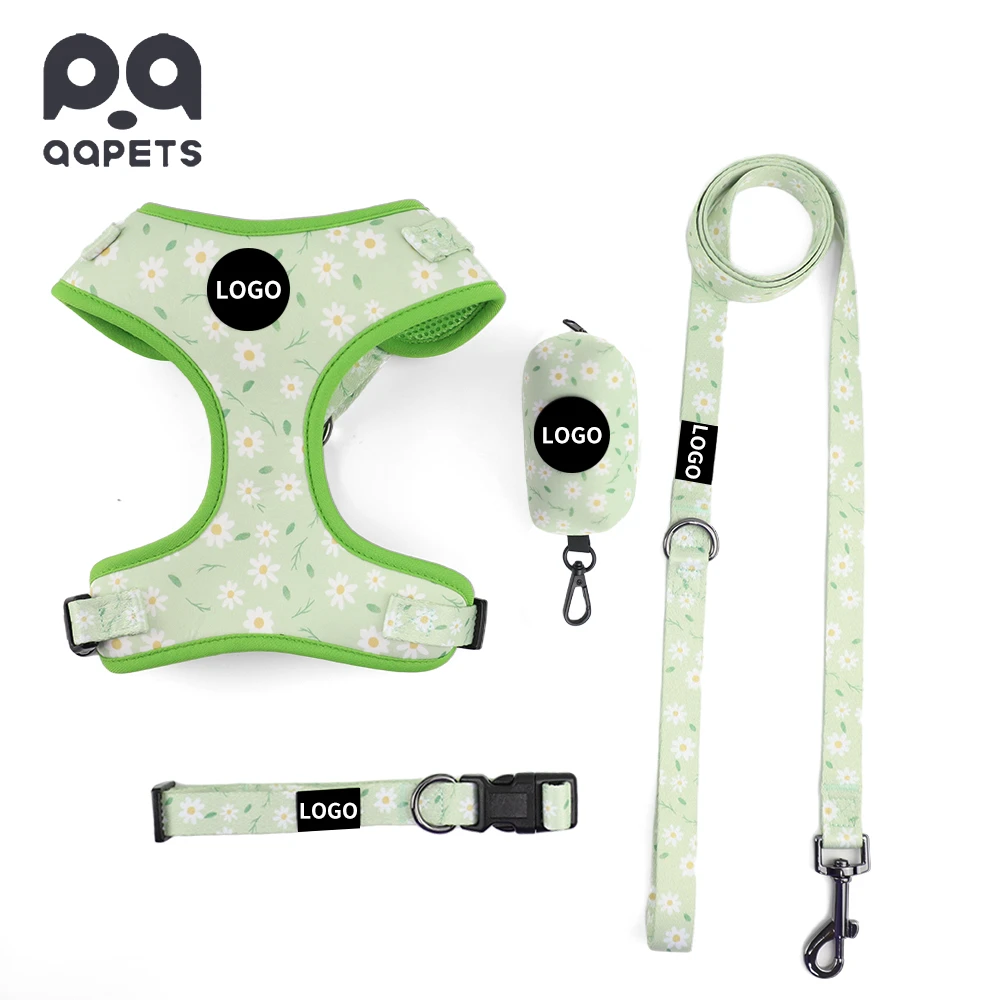
A trading company can show you pictures of products. A real factory can help you create your own. This is the first and easiest test. Does the supplier have a tool like our free 3D Mockup System? A system like this, where you can generate Padrões personalizados with AI and instantly see them on a 3D product, is expensive and complex to build5. A middleman would never invest in it. This technology shows a deep connection between design and manufacturing6. It proves they control the process from start to finish. Our "Mockup in seconds" promise is your first sign that you're dealing with a genuine factory.
Can they turn your design into a physical product in days?
You've been promised high quality, but the supplier is hesitant to provide a sample. Or, they tell you it will take weeks to arrive. This makes you suspect they don't have their own production line.
A real factory is proud of its capabilities and can produce a physical sample with incredible speed7. Our "Sample in 3 Days" promise is hard proof that we own and operate our own machinery.
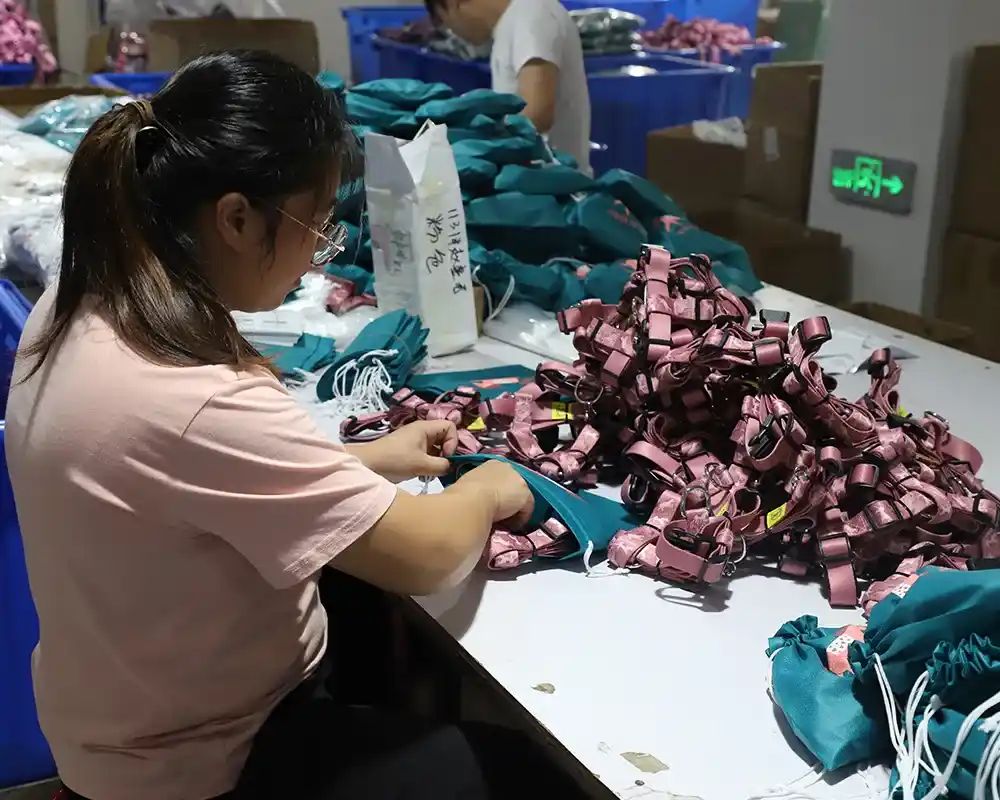
This is the confidence test. A trading company has to take your design, find a factory, negotiate, and then have the sample shipped to them before sending it to you. This process takes weeks8. A real factory like ours can take your digital design and walk it over to the production line. We can create your sample and have it shipped directly to you within 3 days. This speed is impossible for a middleman to match. It's direct proof that we control the manufacturing process. This, combined with our low MOQ of only 50 pieces, means you can verify our quality quickly and affordably.
Do they have the official paperwork to prove their status?
You've asked for proof of their factory status, and all you get are excuses or vague promises. Without official documentation, you're just relying on trust, which is a risky way to build your business.
A legitimate, professional factory will be transparent and proud to show its official certifications. Look for verifiable documents like an ISO 9001 certificate, which is the global standard for quality management systems9.
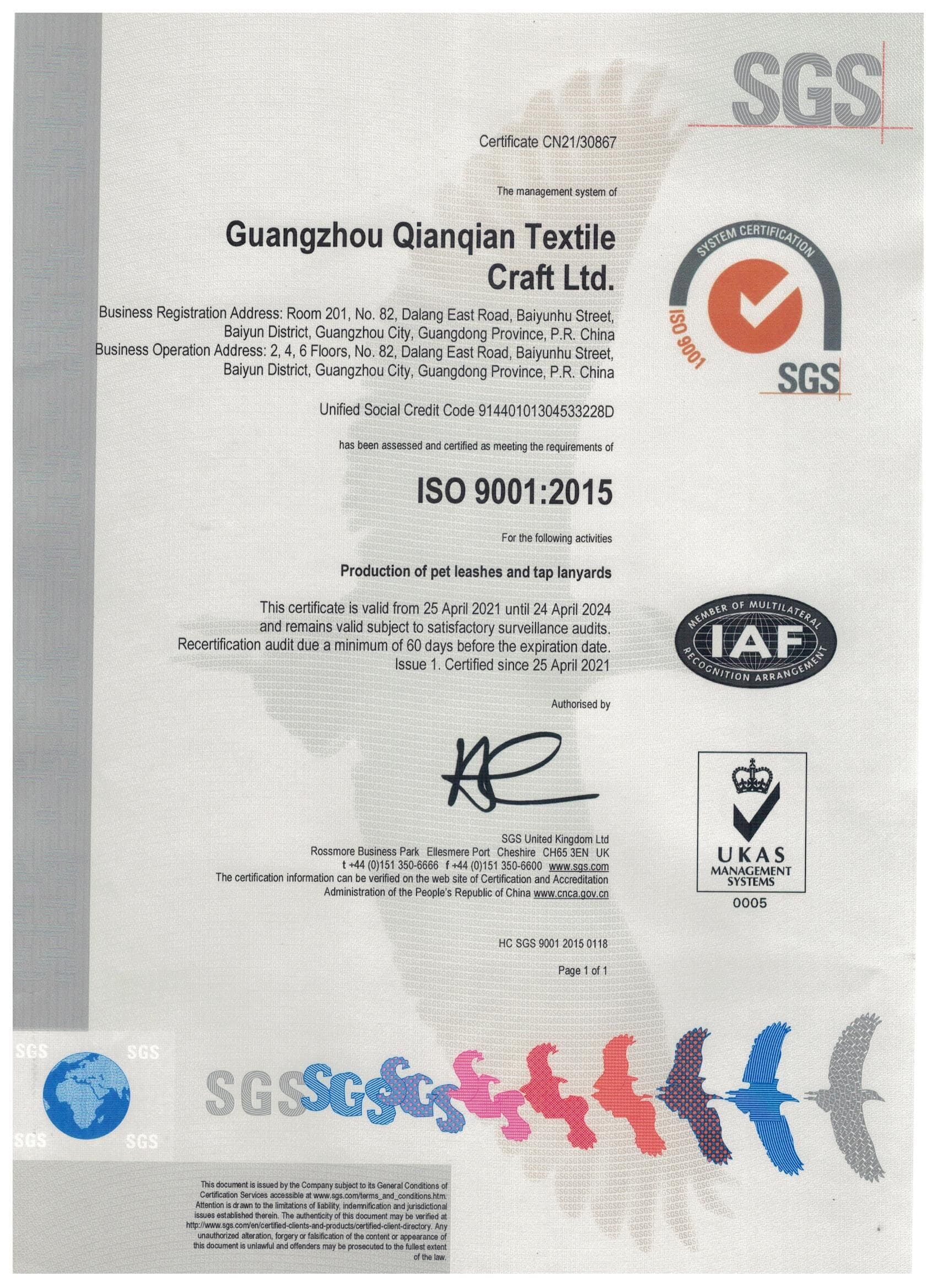
This is the final, undeniable test. While anyone can claim to be a factory, only a real one can pass rigorous, independent audits. An ISO 9001 certification is not just a piece of paper; it's proof that a factory has a documented, professional system for maintaining high quality across its entire production process. It is a certification of the facility itself.
Factory vs. Trading Company: The Certification Test
| Feature | Real Factory (like qqpets) | Trading Company / Middleman |
|---|---|---|
| Certifications | Can provide factory-specific certifications like ISO 9001. | Cannot provide certifications for a factory they don't own. |
| Transparency | Eager to show you their qualifications and quality reports. | Often vague or will show you a partner's expired documents. |
| Accountability | The name on the certificate matches the company you're talking to. | The names will not match, revealing they are a separate entity. |
When a supplier can provide you with a valid ISO 9001 certificate, you can be confident you are dealing with a professional and legitimate manufacturing partner.
Ready to partner with a verified factory that passes every test? Contact our expert team today and let's build your brand with confidence.
Conclusão
Verify a real factory with three tests: check for advanced design tools, demand a rapid physical sample, and require official certifications like ISO 9001. Your brand deserves a true partner.
"Transparency and sustainability in global commodity supply ...", https://pmc.ncbi.nlm.nih.gov/articles/PMC6686968/. Research on supply-chain intermediation describes intermediaries as adding transaction layers that can affect costs, information flow, and accountability, although the effect varies by market and intermediary function. Evidence role: general_support; source type: paper. Supports: Using a middleman rather than a direct manufacturer can add cost and sourcing risk.. Scope note: This supports the general risk/cost mechanism of intermediation, not a specific claim about pet-product sourcing in China. ↩
"Certification - ISO", https://www.iso.org/certification.html. International accreditation guidance explains that management-system certificates can be checked against accredited certification bodies and certificate scopes, supporting the use of verifiable certification as part of supplier due diligence. Evidence role: general_support; source type: institution. Supports: Official and verifiable certifications are useful signals when assessing whether a supplier is legitimate.. Scope note: Certification verification is only one due-diligence step and does not by itself prove product quality or factory ownership. ↩
"Digital Thread for Smart Manufacturing | NIST", https://www.nist.gov/programs-projects/digital-thread-smart-manufacturing. Manufacturing research on CAD/CAM and digital manufacturing describes how design data can be integrated with production processes, supporting the general claim that design tools may connect product development to manufacturing execution. Evidence role: mechanism; source type: research. Supports: Factories may use integrated design and production technology to connect customization with manufacturing.. Scope note: This supports the feasibility and value of design-production integration in manufacturing generally, not that any particular supplier owns a production line. ↩
"Customizing computer-aided design", https://news.mit.edu/2019/customizing-3-d-computer-aided-design-0103. Studies of computer-aided design and 3D visualization in product development show that digital mockups can support product customization and reduce iteration before physical production, while AI-generated pattern design is an emerging extension rather than universal practice. Evidence role: mechanism; source type: paper. Supports: Interactive 3D mockup and pattern-generation tools can support customized product design before production.. Scope note: The source would support the role of digital mockups in customization, not prove that a given 3D mockup system is factory-owned. ↩
"[PDF] Generic Design Methodology for Smart Manufacturing Systems from ...", https://digitalcommons.odu.edu/cgi/viewcontent.cgi?article=1055&context=itds_facpubs. Research on product lifecycle management and CAD/CAM implementation notes that integrated digital design systems require specialized software, process integration, data management, and organizational capability, supporting the claim that such systems can be complex to deploy. Evidence role: general_support; source type: paper. Supports: An integrated 3D design and customization system can be costly and complex to build.. Scope note: This supports implementation complexity generally and does not establish the development cost of the specific system mentioned in the article. ↩
"(PDF) Review Paper On Digital Manufacturing & Design", https://www.academia.edu/107309575/Review_Paper_On_Digital_Manufacturing_and_Design. Literature on design for manufacturing and digital manufacturing explains that linking design decisions with production constraints improves manufacturability and shortens feedback loops, providing contextual support for a close design-manufacturing connection. Evidence role: mechanism; source type: paper. Supports: Integrated design tools can indicate a closer connection between product design and manufacturing operations.. Scope note: This supports the general manufacturing principle, not the assertion that one supplier controls every step of production. ↩
"Development of Functional Rapid Prototyping for the ...", https://scholarworks.uni.edu/cgi/viewcontent.cgi?article=4828&context=grp. Research on rapid prototyping and additive or computer-controlled production methods shows that digital-to-physical workflows can shorten prototype and sample development cycles compared with conventional sequential processes. Evidence role: mechanism; source type: paper. Supports: A manufacturer with in-house production capability may be able to produce physical samples more quickly.. Scope note: This supports the general possibility of faster sampling through integrated production, not the specific three-day turnaround claimed by the supplier. ↩
"Effects of supply chain integration on lead time in the retail industry in ...", https://www.academia.edu/65251955/Effects_of_supply_chain_integration_on_lead_time_in_the_retail_industry_in_Ghana. Supply-chain lead-time research describes how additional coordination, supplier selection, transport, and approval steps can lengthen order fulfillment and product-development timelines, offering contextual support for longer sampling through intermediaries. Evidence role: general_support; source type: paper. Supports: Sampling through an intermediary can take longer because it adds coordination and shipment steps.. Scope note: The source would support the mechanism of added lead time, not verify that all trading-company sampling processes take weeks. ↩
"Quality management system - Wikipedia", https://en.wikipedia.org/wiki/Quality_management_system. The International Organization for Standardization identifies ISO 9001 as an internationally recognized standard that specifies requirements for quality management systems. Evidence role: definition; source type: institution. Supports: ISO 9001 is a global standard for quality management systems.. ↩