 CS
CS  EN
EN  FR
FR  RU
RU  DE
DE  AR
AR  ES
ES  PT
PT  IT
IT  NL
NL  PL
PL  SL
SL  ET
ET  RO
RO  EL
EL  LV
LV 
You're stuck in a cycle of guessing which designs will sell, ordering thousands of pieces to meet a high MOQ, and hoping you don't end up with a warehouse full of dead stock1.
Yes, there is a smarter way. It involves partnering with a tech-forward factory that offers low-risk testing, lightning-fast design tools, and direct-from-source pricing. This model lets you build your brand based on real data, not risky bets.
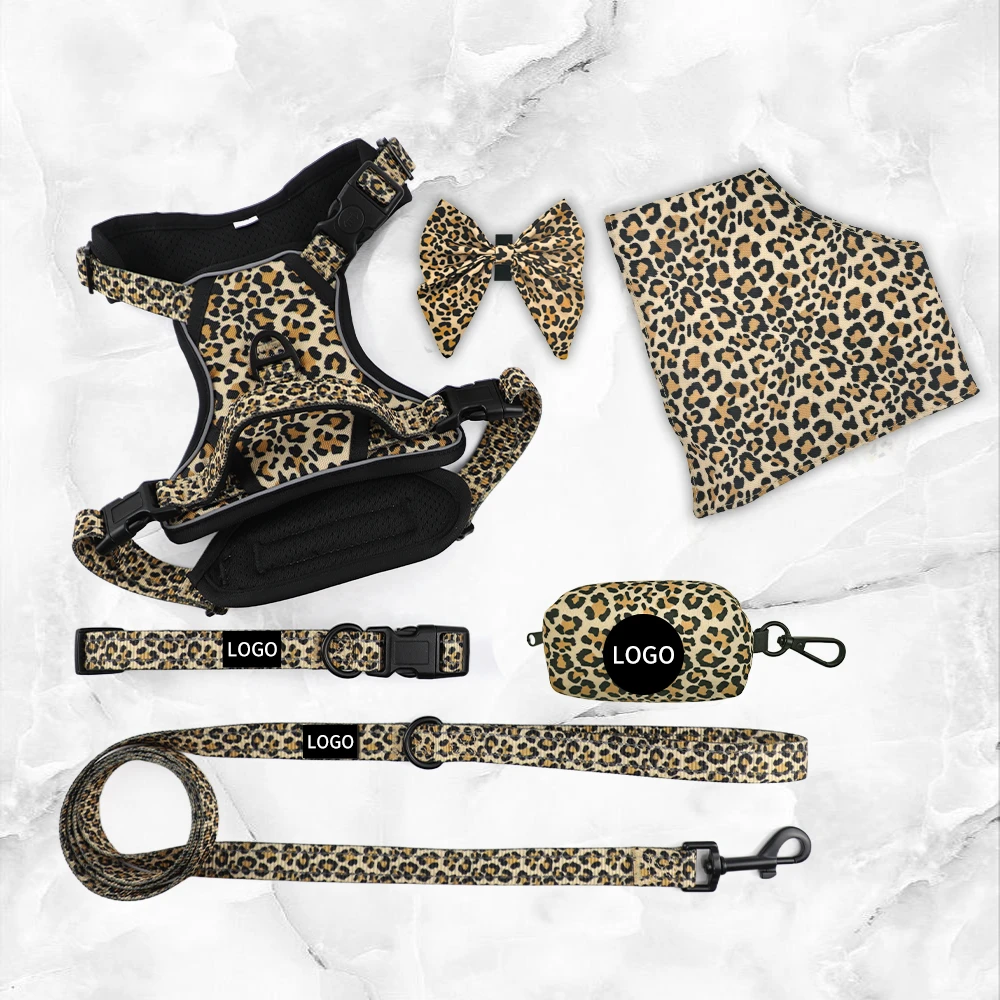
My name is Cathy, and as a customization expert at qqpets, my job is to help online sellers like you break free from the old, inefficient way of sourcing products. The traditional model is designed to benefit the factory, not the brand. It's slow, risky, and expensive. We saw this broken system and decided to build something new, something smarter. We invested in technology and re-engineered our processes to put the power back into your hands, the brand owner.
How can you stop guessing and start selling what customers actually want?
You've spent a huge part of your budget on 2,000 units of a single collar design. After the launch, it barely sells, and now your cash is tied up in inventory that you might have to sell at a loss.
The smarter way is to abandon the high-risk "all-in" strategy. Instead, you can use a "lightweight customization" model with a low Minimum Order Quantity (MOQ) to launch multiple designs at once, test the market with a small investment2, and then scale up production on the proven winners.
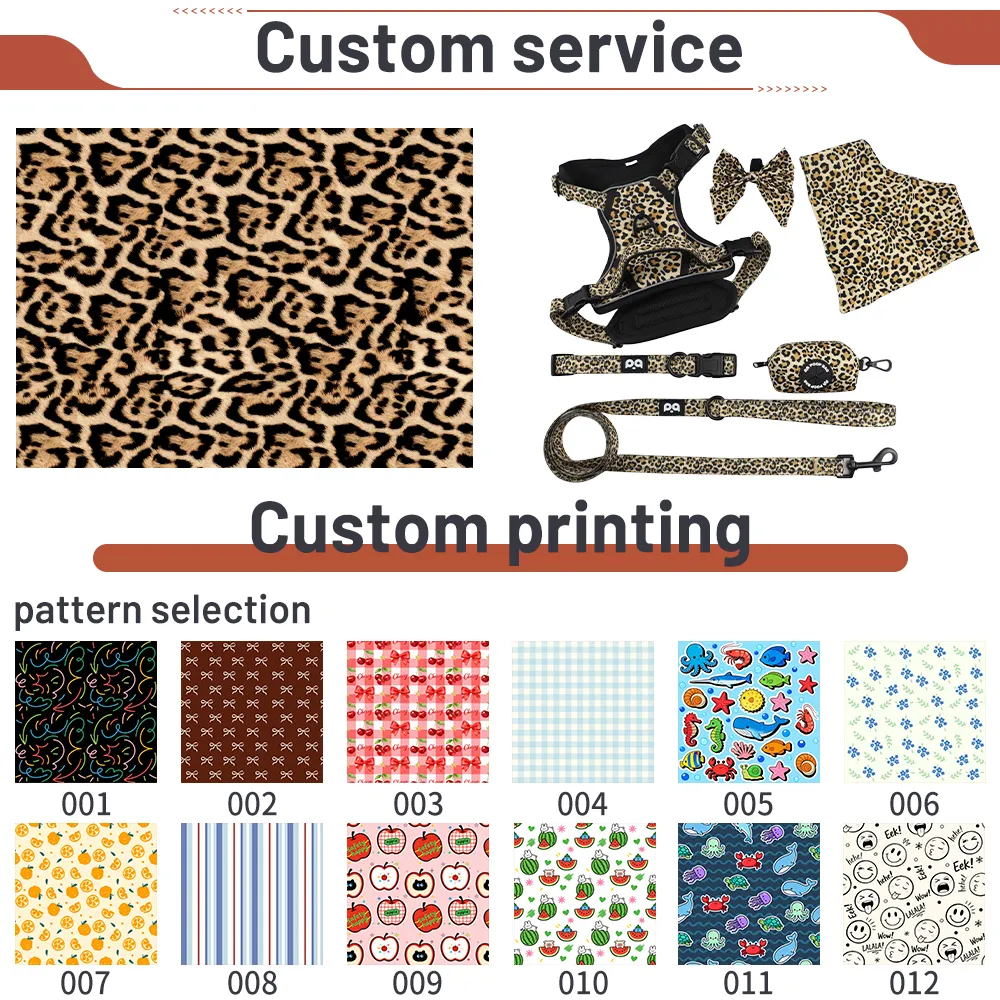
This is the single biggest shift you can make to protect your capital and grow your business intelligently. Why bet your entire budget on one horse when you can bet a little on five? At qqpets, our MOQ is just 50 pieces per size and design. Think about what this means. For the same investment a traditional factory demands for one single, risky design, you could launch a full collection of five or ten unique Vlastní vzory. You can let your customers vote with their wallets3. You will quickly see which designs are popular and which are not. This data-driven approach removes the guesswork from inventory management4 and ensures your money is always working for you.
Old Way vs. Smart Way: Ordering Strategy
| Factor | The Old, Risky Way | The Smarter, qqpets Way | Your Advantage |
|---|---|---|---|
| MOQ | 1,000 - 5,000 pieces | 50 pieces | Dramatically lower risk and upfront cost. |
| Strategy | Bet everything on one design. | Test multiple designs with a small batch. | Discover winning products with real data. |
| Inventura | High risk of dead stock. | Minimal waste, reorder only what sells. | Higher profitability and cash flow. |
What if you could create a new product design in minutes, not weeks?
You have a great idea for a new collar pattern, but the process is a nightmare. It involves days of back-and-forth emails with a designer, then more delays sending files to a supplier who takes a week to send back a blurry digital proof.
The smarter way is to use an integrated online design platform that lets you create, visualize, and get a proof of your product instantly5. This collapses the entire design and prototyping timeline from weeks into minutes6, giving you incredible speed and agility.
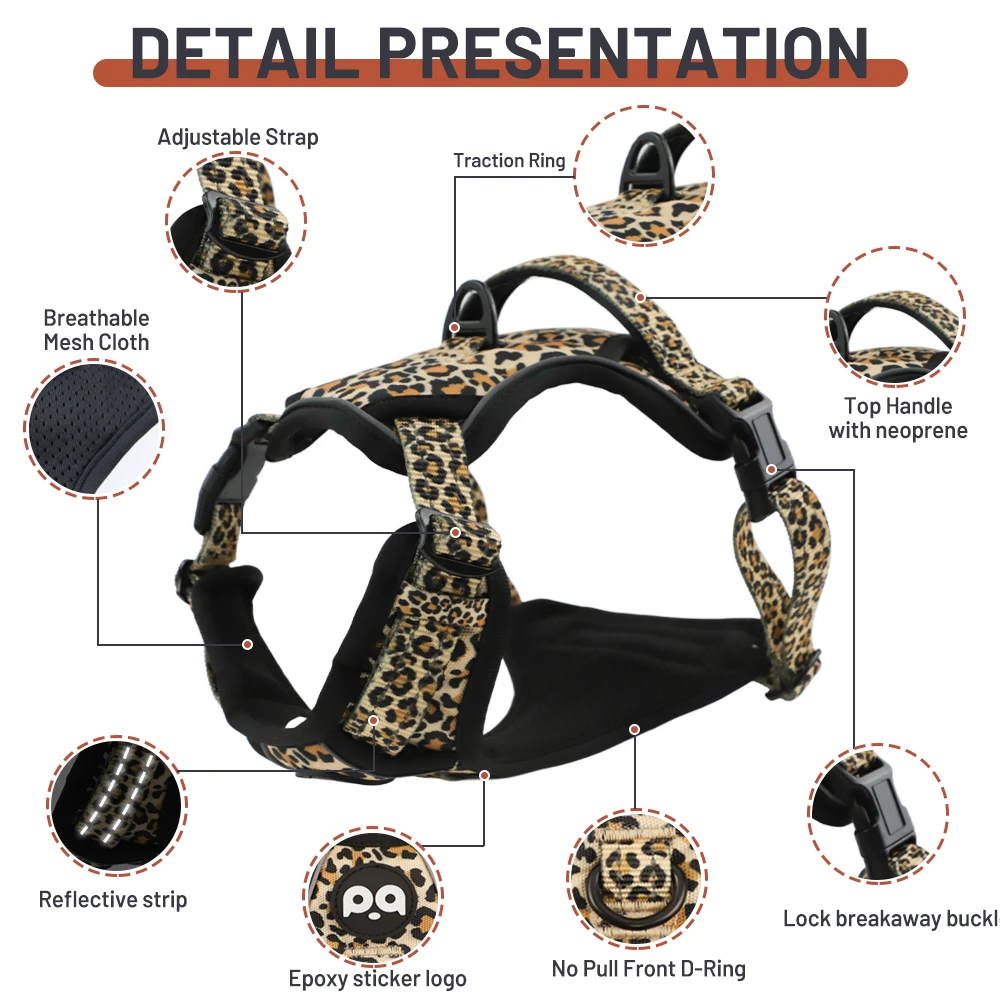
Speed is your competitive advantage7. While your competitors are stuck in email chains, you can be launching new products. We built the tool to make this happen: our revolutionary 3D Mockup System. It's completely free to use. You can upload your own design, choose from our library of thousands of patterns, or use our mind-blowing AI generator. Simply type your idea—like "a pattern of sushi rolls for shiba inus"—and the AI creates unique patterns for you8. You can see your creation on a 3D collar model, rotate it, and approve it on the spot. This is the core of our promise: "Mockup in seconds. Sample in 3 Days." This is not just a feature; it's a completely new way to run your business.
You're buying from a trading company or a local distributor. You know the price seems a bit high, but they handle the sourcing, so it feels convenient. However, you have no real control or visibility into the production process.
Yes, you are paying a hidden tax. Every middleman between you and the factory adds their own markup, increasing your cost and reducing your profit. The smarter way is to work directly with a factory partner who offers transparent pricing, direct communication, and has systems built for global online sellers.
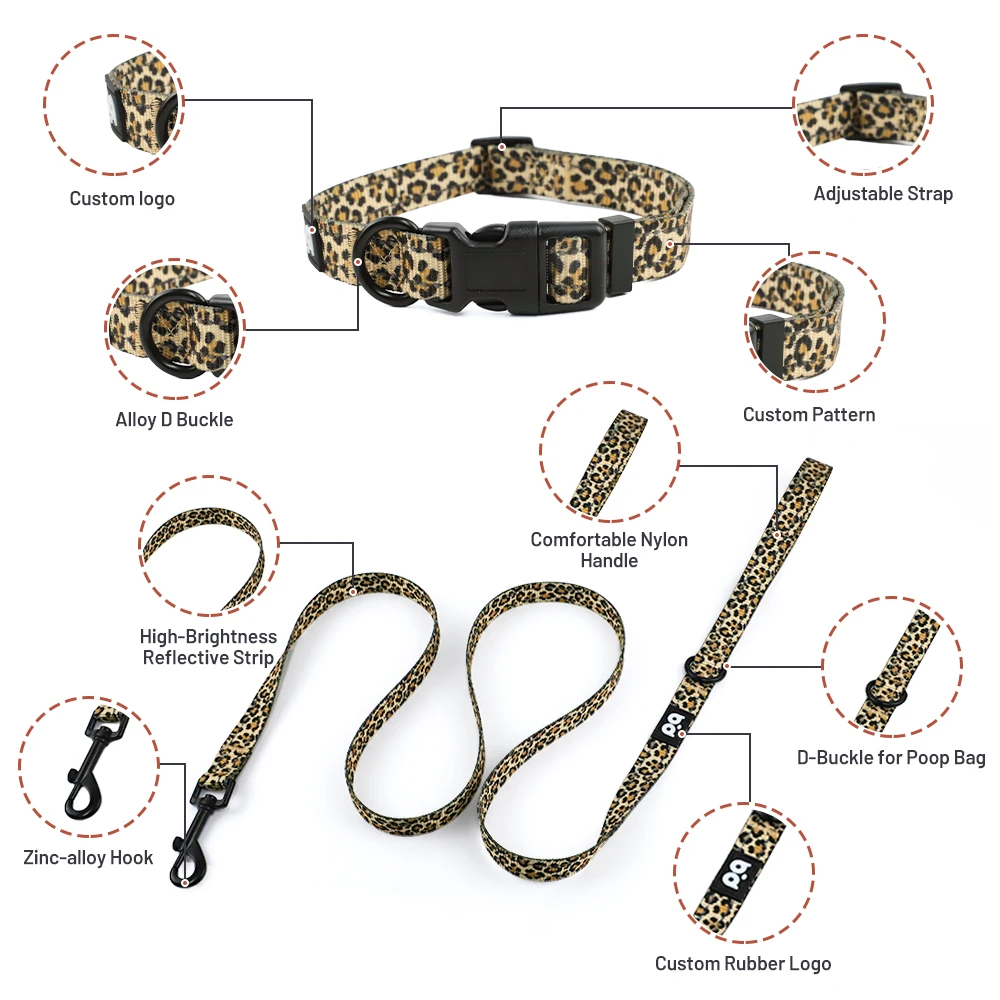
Going factory-direct is the final piece of the puzzle. By cutting out the middleman, you immediately lower your cost of goods9, which can either increase your profit margin or allow you to offer a more competitive price. But the benefits go beyond price. You gain direct communication with the production team10. You have direct oversight of quality, backed by our rigorous inspection and official certifications. We are not just a production line; we are a dedicated partner for global online brand sellers. Our professional customer service team is here to solve problems quickly, and our stable lead times mean you can manage your inventory with confidence. This direct relationship builds a stronger, more profitable, and more resilient brand.
Ready to start buying smarter? Contact our expert team today to see how we can help.
Závěr
The smarter way to buy collars is here: test with low MOQs, design instantly with powerful tech, and buy direct to cut costs. This is how modern pet brands are built.
"Inventory Management Under Uncertainty", https://www.acsu.buffalo.edu/~keechung/Inventory%20Management%20Under%20Uncertainty.pdf. Research on inventory management and demand uncertainty documents that forecast errors can create excess stock, tying up working capital and increasing carrying or disposal costs. Evidence role: general_support; source type: paper. Supports: Poor demand forecasting can leave a business with unsold inventory that ties up capital.. Scope note: This supports the general business risk of excess inventory, not the specific likelihood of dead stock in custom dog collars. ↩
"Navigating new product development: Uncovering factors and ...", https://pmc.ncbi.nlm.nih.gov/articles/PMC10788447/. Evidence from lean product-development and market-experimentation research supports using small-scale tests to gather demand information before committing larger production resources. Evidence role: mechanism; source type: paper. Supports: Small-batch launches can be used to test demand before scaling production.. Scope note: The evidence is likely to be general to product development and retail testing rather than specific to pet collars. ↩
"How Are Preferences Revealed? - Stanford Graduate School of Business", https://www.gsb.stanford.edu/faculty-research/publications/how-are-preferences-revealed. Revealed-preference theory holds that observed purchasing behavior can be used as evidence of consumer preferences, although purchases are also shaped by price, availability, and context. Evidence role: expert_consensus; source type: encyclopedia. Supports: Actual sales data can indicate which designs customers prefer.. Scope note: Purchasing behavior indicates revealed preference under market conditions but does not perfectly measure underlying taste. ↩
"Sales forecasting for retail stores using hybrid neural networks ...", https://pmc.ncbi.nlm.nih.gov/articles/PMC12453866/. Studies of demand forecasting and inventory control show that using sales and demand data can improve replenishment decisions and reduce reliance on subjective judgment. Evidence role: general_support; source type: paper. Supports: Using sales data can improve inventory decisions compared with relying only on guesses.. Scope note: Data-driven forecasting reduces uncertainty but does not eliminate it, especially for new or seasonal products. ↩
"A layer-based virtual prototyping system for product development", https://www.sciencedirect.com/science/article/abs/pii/S0166361503000599. Computer-aided design and digital visualization literature shows that virtual models can support rapid review of product concepts before physical prototyping. Evidence role: mechanism; source type: education. Supports: Digital design platforms can help users visualize product concepts before physical sampling.. Scope note: This supports the general role of CAD and visualization in faster review, not the specific claim that any given platform provides instant proofs. ↩
"(PDF) Digital Prototyping in Industrial Design Pipeline", https://www.academia.edu/119061901/Digital_Prototyping_in_Industrial_Design_Pipeline. Research on virtual prototyping reports that digital models can shorten product-development iterations by enabling evaluation before producing physical prototypes. Evidence role: mechanism; source type: paper. Supports: Virtual prototyping can shorten design and prototyping cycles.. Scope note: Neutral evidence can support shorter iteration cycles, but the exact reduction from weeks to minutes is platform-specific and would require internal timing data. ↩
"New Product Development - Wharton Faculty Platform", https://faculty.wharton.upenn.edu/wp-content/uploads/2013/04/New-Product-Development_1.pdf. New-product-development research links shorter time to market with competitive benefits such as faster response to customer needs and earlier revenue opportunities. Evidence role: expert_consensus; source type: paper. Supports: Faster product development and launch can be a source of competitive advantage.. Scope note: The relationship depends on product quality, market fit, and execution; speed alone does not guarantee advantage. ↩
"Text-to-image model", https://en.wikipedia.org/wiki/Text-to-image_model. Generative artificial intelligence research describes models that can synthesize novel images or design variations from text prompts or training data. Evidence role: mechanism; source type: research. Supports: Generative AI can produce novel visual pattern outputs from user prompts.. Scope note: This supports the general capability of generative AI, not the originality, copyright status, or commercial suitability of any specific generated pattern. ↩
"A guide to disintermediation and its benefits", https://stripe.com/resources/more/what-is-disintermediation-here-is-what-you-need-to-know. Supply-chain and distribution-channel analysis indicates that reducing intermediary layers can lower transaction or channel costs when the buyer can absorb or replace the services those intermediaries provided. Evidence role: mechanism; source type: paper. Supports: Buying directly from a producer can reduce cost of goods when intermediary margins or services are no longer paid separately.. Scope note: Cost reduction is not automatic in all cases because intermediaries may create efficiencies, handle compliance, or consolidate logistics. ↩
""Information Sharing, Buyer-Supplier Relationships and Firm ...", https://oasis.library.unlv.edu/mib_fac_articles/14/. Buyer-supplier relationship research finds that communication and information sharing are associated with improved coordination and supply-chain performance. Evidence role: general_support; source type: paper. Supports: Direct communication with suppliers can improve coordination and oversight in production relationships.. Scope note: The evidence supports the value of communication generally, not a guarantee that direct factory contact will improve every order outcome. ↩