 FR
FR  EN
EN  RU
RU  DE
DE  AR
AR  ES
ES  PT
PT  IT
IT  NL
NL  PL
PL  SL
SL  ET
ET  RO
RO  CS
CS  EL
EL  LV
LV 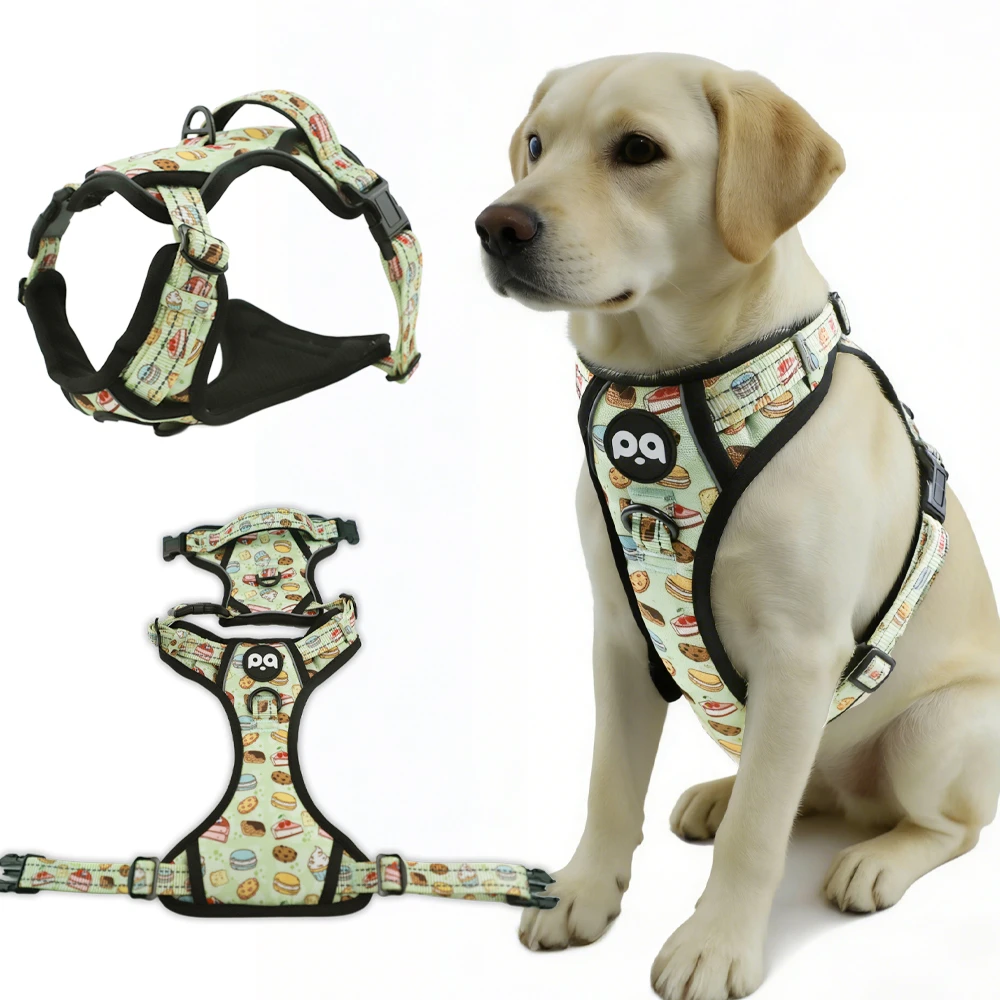
As a brand owner, you've seen countless "adjustable" harnesses that fail to deliver a good fit. They either chafe, restrict movement, or are so loose that dogs can easily escape. So, how does a factory design an adjustable dog harness for customized fit that actually works?
A professional factory designs a truly adjustable dog harness by engineering it with multiple, independent adjustment points—typically around the neck and chest1. This ergonomic approach ensures the harness conforms to a dog's unique body shape, providing a secure, comfortable, and escape-proof fit2, not just a one-size-fits-most solution.
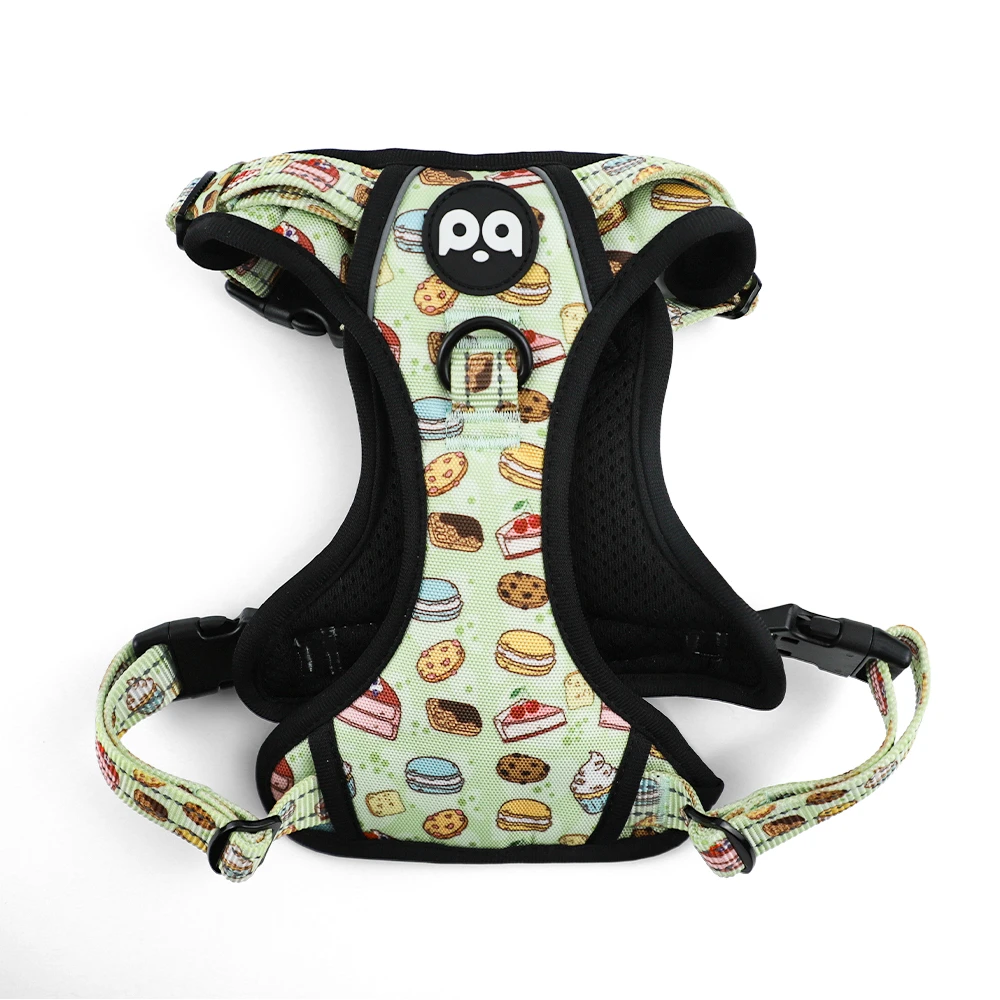
My name is Cathy, and as a custom pet product expert at qqpets, I know that the difference between a great harness and a liability lies in its design engineering. A harness isn't just straps and buckles; it's a wearable piece of safety equipment3 that needs to account for the incredible diversity of dog shapes and sizes4. For online brand owners like you, sourcing a product that delivers a genuinely good fit is the foundation of customer satisfaction and five-star reviews. Therefore, it's crucial to understand what goes into a properly designed harness.
What makes an adjustable harness truly 'custom fit'?
You see "adjustable" on the product description, but it only has one flimsy slider. This lazy approach leads to poor fits on dogs with deep chests, narrow shoulders, or long bodies. A harness that gaps at the neck or pinches behind the legs is a recipe for returns.
A truly "custom fit" harness is not about a single adjustment point. It's an engineered system with at least four to five independent points of adjustment5 on the neck and girth straps. This multi-point system allows the harness to be sculpted to the dog's individual dimensions.
At our ISO 9001 certified factory, we approach harness design like structural engineering. The goal is to distribute pressure evenly6 et eliminate escape routes7. A harness for a barrel-chested bulldog requires different proportions than one for a slender greyhound8, even if their "girth" measurement is similar. A multi-point adjustment system is the only way to cater to this variety effectively. This commitment to proper fit is not an option; it's a core principle of our design process. It is a standard that is applied to every product we manufacture.
The Anatomy of a Truly Adjustable Design
A harness with a superior fit is designed with specific ergonomic zones in mind.
| Adjustment Point | Poor Design (The Common Problem) | Proper Engineering (The qqpets Solution) |
|---|---|---|
| Neck Straps | A fixed neck opening or a single top adjustment. This can cause gaping or allow the dog to back out of the harness. | Two independent adjustment points on each side of the neck. This creates a snug, custom-shaped collar that stays securely in place. |
| Chest/Belly Strap | A fixed-length strap connecting the neck and girth. This fails to account for different body lengths (e.g., Corgi vs. German Shepherd). | An adjustable slide on the chest/belly strap. This allows the girth strap to sit correctly behind the front legs without chafing9. |
| Girth Straps | A single adjustment point on one side. This can cause the harness to sit off-center and apply uneven pressure10. | Two independent adjustment points on each side of the body. This perfectly centers the harness and ensures a balanced, secure fit. |
Understanding this anatomy is key to sourcing a product your customers will love.
How can this superior fit become your unique brand story?
Your harness now has a perfect, engineered fit that customers will rave about. But it comes in standard black, red, and blue, just like every other well-made harness on the market. How do you transform this functional superiority into a unique brand that people recognize and desire?
You use the harness's excellent structure as the canvas for your brand's unique identity. This is the point where a simple supplier becomes a true brand partner. We don't just give you a well-fitting harness; we give you the powerful, modern tools to make that harness a work of art that is unmistakably yours.
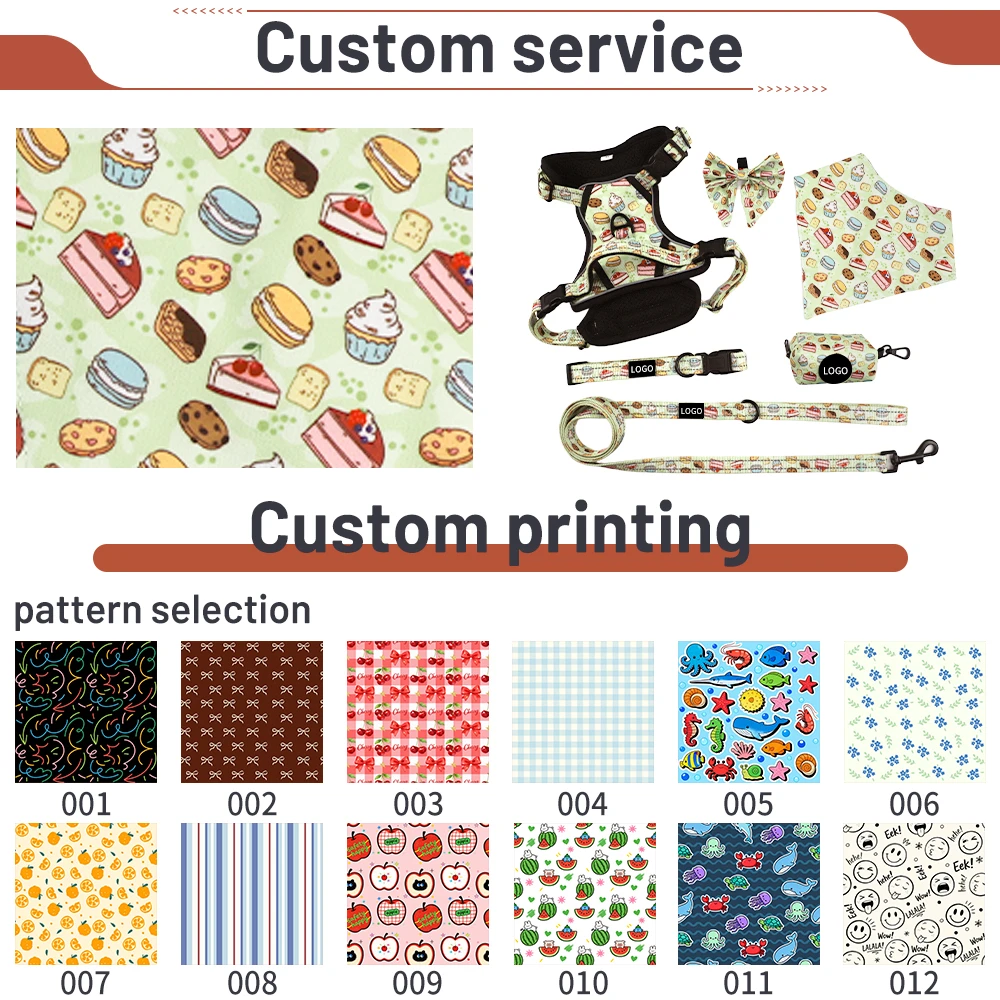
We have built our entire factory around a revolutionary promise for online sellers: "Mockup in seconds. Sample in 3 Days." This speed and creative freedom is made possible by our exclusive and free 3D Mockup System.
From Engineered Fit to Unforgettable Fashion
Once the engineering is perfected, the creative journey begins.
- Become Your Own Designer: With our integrated AI Pattern Generator, you are in complete control. You don't need to hire a designer. Just describe your vision—for example, "a pattern of happy Shiba Inus with floral crowns" or "a cool, minimalist geometric pattern in earth tones"—and our AI will create beautiful, production-ready Modèles personnalisés for you.
- Launch Collections, Not Just a Product: Forget the high-risk, high-volume orders of the past. Our "lightweight customization" model supports an MOQ of just 50 pieces per size and design. This empowers you to launch a diverse collection of harnesses with different patterns, test the market, and see what sells best without a massive inventory investment.
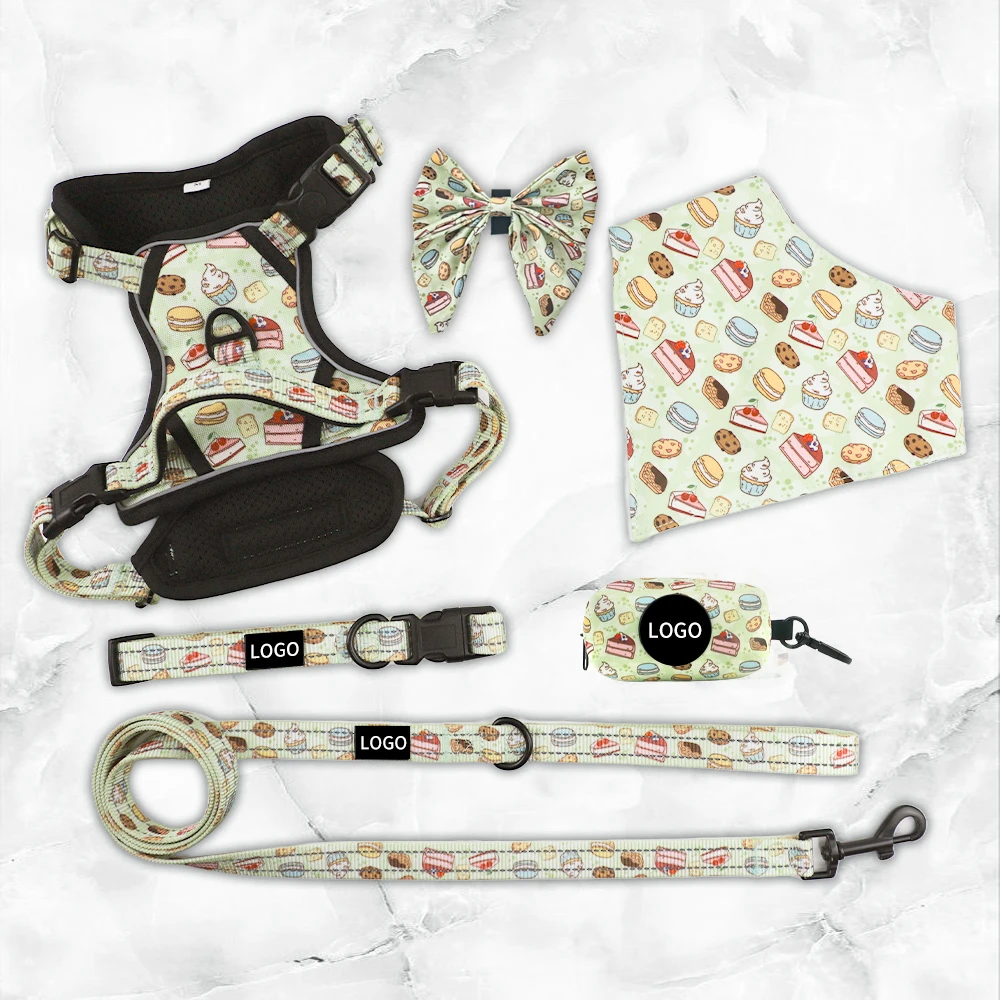
- Build a Cohesive Brand World: That unique pattern you just created for your harness can be instantly applied to matching collars and leashes. You can create a full, compelling product ecosystem that increases your average order value and builds true brand loyalty.
Our professional customer service team is ready to help you bring your vision to life. If you're ready to offer a product that combines perfect fit with perfect style, I encourage you to contact our expert team today.
Conclusion
A properly designed adjustable harness combines multi-point engineering for a custom fit with unique brand design. By partnering with a factory that provides both technical expertise and powerful creative tools, you can build a brand that stands for both safety and style.
"The Ultimate Guide to How to Dog Harness: Fit, Safety & Training ...", https://imba.missouri.edu/how-to-dog-harness-1931079647.html. Canine harness-fitting guidance from veterinary or animal-welfare institutions commonly emphasizes adjusting both neck and chest/girth areas to achieve stable contact without restricting movement; this supports the design rationale for multiple independent adjustment zones rather than a single fixed opening. Evidence role: expert_consensus; source type: institution. Supports: A professional factory designs an adjustable dog harness with multiple independent adjustment points around the neck and chest.. Scope note: Such sources usually provide fitting principles rather than testing a specific factory design. ↩
"The Ultimate Guide to How to Dog Harness: Fit, Safety & Training ...", https://imba.missouri.edu/how-to-dog-harness-1931079647.html. Animal-welfare and veterinary fitting guidance explains that a properly fitted harness should be snug enough to prevent slipping out while leaving sufficient clearance to avoid rubbing or movement restriction, supporting the general relationship between fit, comfort, and security. Evidence role: expert_consensus; source type: institution. Supports: An ergonomic adjustable harness can provide a secure, comfortable, and less escape-prone fit.. Scope note: This is contextual support for fitting principles, not direct proof that any particular harness is escape-proof. ↩
"Tuff Pupper Escape Proof Dog Harness & Seat Belt Bundle", https://www.villageofgreenwoodlake.gov/products/tuff-pupper-escape-proof-dog-harness-seat-belt-bundle-adjust/214701197/. Pet travel and animal-control guidance treats restraint equipment such as harnesses and leads as safety-related devices for controlling and protecting dogs, supporting the description of a harness as safety equipment in ordinary use. Evidence role: general_support; source type: government. Supports: A dog harness functions as wearable safety equipment rather than merely an accessory.. Scope note: The source would support the safety function of harnesses generally, not the safety performance of the article’s specific product. ↩
"Morphometrics within dog breeds are highly reproducible and ...", https://pmc.ncbi.nlm.nih.gov/articles/PMC2748280/. Canine morphometric research documents large variation among dog breeds in body size, limb proportions, skull form, and thoracic dimensions, supporting the claim that harness design must account for substantial anatomical diversity. Evidence role: general_support; source type: paper. Supports: Dog harness design must account for the large diversity of dog body shapes and sizes.. Scope note: Morphometric studies demonstrate anatomical variation but do not prescribe a specific harness-construction method. ↩
"Fit a Dog Harness Correctly – Vet Tips for Comfort", https://woopf.com/es/blogs/news/fit-a-dog-harness-correctly-vet-tips-for-comfort?srsltid=AfmBOopTI90sI1NNKg7c_LUpZINbsjhgCU_u1Tcfs3a41qkOr7GUDKlH. Harness-fitting recommendations commonly identify separate adjustment at the neck and girth/chest as important for achieving a close fit; this provides contextual support for using multiple adjustment points, although it may not establish a universal minimum of four or five. Evidence role: expert_consensus; source type: institution. Supports: A custom-fit harness benefits from several independent adjustment points on the neck and girth straps.. Scope note: The exact threshold of four to five adjustment points is likely a design judgment unless supported by product testing standards. ↩
"Pressure distribution under three different types of ...", https://www.sciencedirect.com/science/article/abs/pii/S1090023313004681. Studies of canine collars and harnesses using pressure mapping or biomechanical assessment discuss how restraint-device design affects pressure distribution on the dog’s body, supporting the relevance of even load distribution as an ergonomic design goal. Evidence role: mechanism; source type: paper. Supports: Harness design should aim to distribute pressure evenly across the dog’s body.. Scope note: Evidence may compare broad harness types rather than the exact multi-point design described in the article. ↩
"[Help] Finding a dog harness my dog can't slip out of : r/dogs", https://www.reddit.com/r/dogs/comments/3eg8gq/help_finding_a_dog_harness_my_dog_cant_slip_out_of/. Guidance on proper harness fit notes that excessive looseness or poor positioning can allow a dog to slip out, supporting the idea that harness geometry and adjustment affect escape risk. Evidence role: mechanism; source type: institution. Supports: Proper adjustment and harness geometry can reduce opportunities for a dog to escape from the harness.. Scope note: The source would explain the mechanism of slipping out, not prove that any design can eliminate all escape routes. ↩
"The Thoracic Inlet Heart Size, a New Approach to ... - PMC", https://pmc.ncbi.nlm.nih.gov/articles/PMC9913153/. Breed-conformation and morphometric sources document substantial differences between brachycephalic, broad-chested breeds and sighthounds in body proportions, supporting the statement that harness proportions must vary across breed types. Evidence role: general_support; source type: paper. Supports: Different canine body types, such as bulldogs and greyhounds, require different harness proportions.. Scope note: The evidence supports anatomical difference between breed types, not a specific harness pattern or sizing formula. ↩
"Guide: How Should a Harness Fit on a Dog and More", https://www.tailsofconnection.com/resources/guide-how-should-a-harness-fit-on-a-dog-and-more. Veterinary and animal-welfare fitting guidance commonly advises placing harness straps so they do not rub the axillae or restrict forelimb movement, supporting the importance of positioning the girth strap behind the front legs to reduce chafing. Evidence role: expert_consensus; source type: institution. Supports: The girth strap should be positioned behind the front legs in a way that avoids rubbing or chafing.. Scope note: The source would support placement principles, not verify that the article’s adjustable slide achieves them in all dogs. ↩
"Dog Pulling on the Leash: Effects of Restraint by a Neck Collar ...", https://pmc.ncbi.nlm.nih.gov/articles/PMC8450523/. Biomechanical and pressure-mapping studies of canine harnesses show that harness shape and positioning can alter pressure distribution across the thorax and shoulders, supporting the concern that an off-center harness may load the body unevenly. Evidence role: mechanism; source type: paper. Supports: An off-center or poorly balanced harness can apply uneven pressure to a dog’s body.. Scope note: The evidence may demonstrate pressure variation by harness type or position rather than specifically by having only one adjustment point. ↩