 IT
 EN
 FR
 RU
 DE
 AR
 ES
 PT
 NL
 PL
 SL
 ET
 RO
 CS
 EL
 LV
Subtitle: A B2B, set-first guide with Custom Patterns, 3D previews, mockups in seconds, and samples in 3 Days for consistent, fast, and profitable launches.
Lightweight dog collars for small breeds must be soft, safe, and durable1. Comfortable custom collars for small dogs must also be branded clearly. Personalized small-dog collars must be tested and traced. A profitable small-breed collar line must be planned as a set. Our free 3D site uses AI to generate Custom Patterns fast, mockup in seconds, and deliver a sample in 3 Days: https://qqpets.com/3d-mockup/. This process is simple. This process is repeatable. This process is trusted by B2B buyers.
I design the collar, harness, and leash together. I lock widths, fit, and hardware early. I fix Pantones and one logo method per tier. I keep MOQs light at 50 pcs per size/pattern. Because we are a factory with three production lines, lead times are kept stable. Because QC is recorded by lot, risk is reduced. Because support is handled by a trained team, issues are solved quickly. So calendars are protected. So teams stay aligned. So launches move on time.
Why should a lightweight collar be developed as part of a coordinated set?
A single collar can be overlooked. A lone leash can be mismatched. A solo harness can be misunderstood. So a set is planned first because shoppers often buy a complete look and a clear story.
- The collar manages ID and quick clips with minimal bulk.
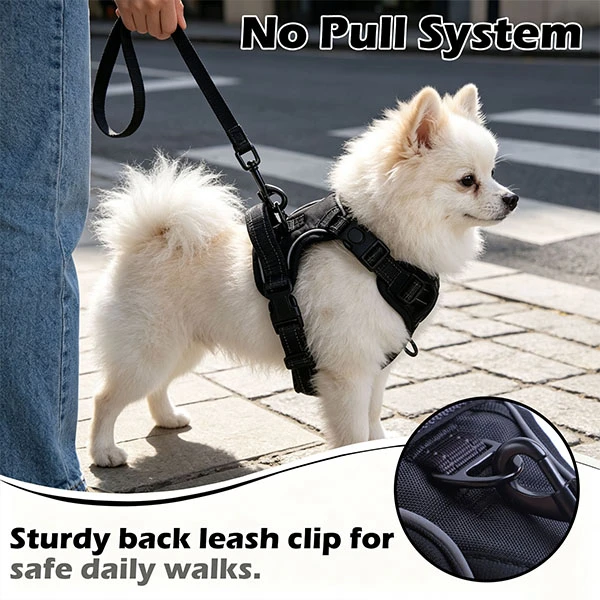
- The harness protects the neck during training with light padding.
- The leash controls range with a small snap and a steady hand.
One Custom Pattern is shared across the set. One metal finish is used to read as one. The bundle is understood. AOV goes up. Returns go down. Waste is limited because the same pattern drives the family. This is how a lightweight, comfortable small-dog line is made consistent and profitable.
How is small-dog fit defined so comfort is high and returns stay low?
Thin necks need a gentle fit. Heavy buckles can rub and bounce. Rough edges can scratch fur. So simple fit rules are set before any art or copy is written.
- Fit rule: high on the neck, two fingers snug2.
- Widths: 10–12 mm for toys; 12–15 mm for XS; 15–20 mm for S.
- Adjuster: centered travel for seasonal changes.
I size by neck and bone build, not by weight alone3. I round and heat‑seal strap ends. I place the D‑ring opposite the buckle to balance load. I add reflective trims for dusk walking4. Fit notes are printed inside the strap and repeated on tags. This simple method is taught in seconds. It can be checked in stores. It can be repeated at home. Returns fall because the rule is clear.
| Size tier | Neck range (cm) | Collar width (mm) | Fibbia |
|---|---|---|---|
| Toy | 18–24 | 10–12 | Locking quick‑release |
| XS | 22–28 | 12–15 | Locking quick‑release |
| S | 28–36 | 15–20 | Locking quick‑release |
Which materials keep tiny necks safe without losing brand style?
Hard webbing can cut. Stiff shells can trap heat. Wet straps can smell. So materials are chosen with hand feel, care, and strength in mind. Tests are documented for audits.
- HD polyester is used when Custom Patterns and soft hand are needed.
- TPU/PVC‑coated webbing is used when easy clean and odor control are key.
- Low‑profile neoprene or air‑mesh is used for gentle contact without bulk.

I stitch with a box‑X pattern and add bar tacks at stress points. I heat‑seal ends to stop fray. I smooth edges for fur safety. Pull tests are recorded by lot and photos are stored. Results are traceable. Results can be shared. Results can be compared across runs. Confidence is built with data, not only with words.
| Component | Option | Why it is chosen | Care |
|---|---|---|---|
| Strap | HD Polyester | Soft hand; precise Custom Patterns | Easy wash; quick dry |
| Strap | TPU/PVC‑coated | Wipe‑clean; odor control | Wipe and air dry |
| Padding | Low‑profile neoprene | Smooth contact | Rinse; air dry |
| Padding | Air‑mesh | Breathable and light | Air dry |
What hardware and stitching scale down safely for small dogs?
Big snaps feel clumsy. Sharp rings can catch hair. Sloppy stitches can creep. So small, smooth, and strong parts are specified and checked.
- Welded micro D‑rings with closed joints are used.
- Locking quick‑release buckles sized for small hands are chosen.
- Rounded snaps with a safety slider are matched to 5–6 ft leashes.

Edges are rounded. Corners are softened. Strap ends are sealed. A gentle hand is achieved. At the same time, strength is held. The look is clean. The feel is soft. This mix is right for small dogs and busy owners.
How can logos and Custom Patterns stay clear on narrow straps?
Narrow straps hide art when scale is wrong. Logos can be blocked by sliders. Pattern icons can look noisy. So scale and placement are previewed in 3D before sampling. This is simple. This is fast. This is free.
I fix Pantones and choose one logo method per tier. I scale patterns to 10–20 mm. I clear a clean logo window. I preview everything in our 3D site before we cut any sample. I open https://qqpets.com/3d-mockup/ and type a short prompt. The AI generates Custom Patterns for free. Mockups appear in seconds across collars, harnesses, and leashes. I slide the repeat until icons read clearly. Mockup in seconds. Sample in 3 Days. Files are archived for reorder.
| Tier | Logo method | Min clear width | Strap widths |
|---|---|---|---|
| Entry | Woven label | 12 mm | 10–15 mm |
| Core | PVC patch | 15 mm | 12–20 mm |
| Sicurezza | Reflective transfer | 12 mm | 10–20 mm |
| Premium | Laser plate | 15 mm | 12–20 mm |
How do I plan small-dog bundles to lift AOV and lower returns?
Single items can be missed. Bundles are understood. Bundles raise AOV and explain use. So I design small, clear kits that read as one and are priced cleanly.
- Everyday kit: collar + Y‑harness + 6 ft leash in HD polyester.
- Training kit: collar + front‑clip harness + two‑handle leash.
- Water kit: TPU/PVC‑coated set for rain and mud.

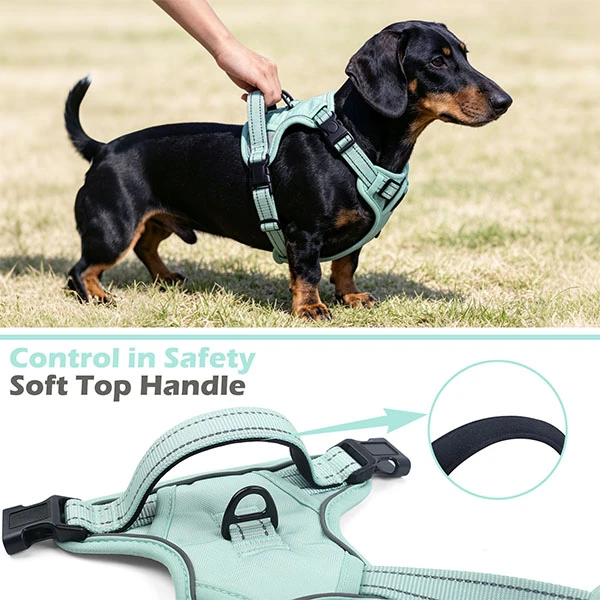
I show the full kit in the first image and the top module on the PDP. I place a traffic handle near the leash clip for quick control. I match metal tones across the family. I keep SKUs light by using Custom Patterns. One pattern equals one new SKU. A seasonal print can be tested without heavy inventory. MOQ starts at 50 pcs per size/pattern. This is easy to sell on Shopify and in line‑off shops.
What color and finish rules keep identity consistent from sample to mass production?
Color drift breaks trust. Mixed finishes look cheap. Hidden logos reduce recall. So brand rules are locked and audits are done the same way each time.
- A Pantone pack is approved per substrate5.
- First articles are checked under the same light.
- Photos and notes are stored for traceability.
- Reorders are checked against the archive.
I build one brand pack with Pantones, trim colors, metal finish, and logo placements in millimeters. I include art for woven labels, PVC patches, reflective transfers, and laser plates. The same file aligns teams. The same file keeps seasons consistent. This is how shelves read clean. This is how PDPs convert. This is how a small brand looks big.
Which procurement checklist should B2B buyers use for lightweight small-dog collars?
A B2B list must be short. It must be clear. It must prevent delays. So I keep one checklist and I use it on every small-dog project.
- Set-first spec: collar, harness, leash together.
- Fit rule: high neck, two fingers snug.
- Width map: 10–20 mm by size tier.
- Materials: HD polyester or TPU/PVC‑coated; low‑profile padding.
- Hardware: welded micro D‑rings; locking quick‑release buckles.
- Stitching: box‑X + bar tacks; ends heat‑sealed; edges rounded.
- Branding: Pantones fixed; one logo method per tier; 3D scale test.
- Compliance: pull tests recorded by lot; photos stored; certs shared.
- Speed: mockup in seconds; sample in 3 Days.
- MOQ: 50 pcs per size/pattern for light tests.
- Packaging: size and fit notes printed and on tags.
- Reorder: files archived; finishes matched; color audits repeated.
How do we keep pricing honest while protecting margins?
Cost is controlled when trims are chosen with intent. Margin is protected when tiers are clear. The shopper is guided when the story is simple. So I keep a clean price ladder.
| Line | MSRP target | Trim set | Logo method |
|---|---|---|---|
| Entry | $12–$18 collar | Minimal; HD polyester | Woven label |
| Core | $18–$26 collar | Reflective option | PVC patch |
| Premium | $26–$36 collar | Special metal finish | Laser plate |
I keep the bill of materials tight. I keep finishes aligned across the kit. I set one or two upgrade paths only. Forecasting is easier. Negotiations are faster. Launches stay on track.
Who are we and why does our factory model matter for your small-dog line?
I am part of qqpets, a customization specialist in the pet leash and collar industry in China. We focus on Custom Patterns for collars, harnesses, and leashes. We are a factory with three production lines. So production is done in house. So QC is done in house. So timing is kept stable. Our 3D customization system renders in one second. A sample is made in 3 days. Differentiated design is encouraged. A unique pattern equals a new SKU. MOQ is light at 50 pcs per size/pattern. This fits global online brand sellers and line‑off shop sellers who need speed and control.
Support is handled by a trained team. Issues are solved quickly. Formal certifications are held and can be shared. Lead times are kept stable. Brand promises are protected with data and with care.
What is the fastest way to turn an idea into a testable product?
Briefs can stall without visuals. Samples can drift without rules. Budgets can swell without tests. So a short visual loop is used from day one with our 3D site.
- Ideas are typed or spoken into the AI engine.
- Free Custom Patterns are generated.
- Mockups for the full set are made in seconds.
- A pre‑production sample is finished in 3 Days.
Start here: https://qqpets.com/3d-mockup/. It is free. It is fast. It is simple. No special files are required. Your pattern can be made unique. Your colors can be locked early. Your team can align on the first day.
Next steps with clear links
- Explore free AI Custom Patterns and mockups in seconds: https://qqpets.com/3d-mockup/
- Learn about our services on the homepage: https://www.qqpets.com/
- Contact our team for a quote and timeline: https://www.qqpets.com/contact-us/
Because internal links help navigation, the homepage is linked again: https://www.qqpets.com/. Because direct contact helps B2B buyers, the contact page is linked again: https://www.qqpets.com/contact-us/. Both links are maintained and up to date.
A short personal note
I helped a small Shopify brand with small-dog collars. Their returns came from stiff edges and color drift. We fixed edges with rounded cuts and heat sealing. We fixed color with a Pantone pack and our 3D preview loop. We created a new Custom Pattern with AI in minutes. We mocked up the full set in seconds. We approved a sample in 3 Days. Reviews improved and carts grew. The same pattern was used across a collar, a harness, and a leash. Inventory stayed light. The line looked bigger without waste.
Conclusione
Plan sets, not singles. Lock fit and widths. Fix Pantones and one logo method per tier. Use our free 3D AI to mockup in seconds and sample in 3 Days. Launch with low MOQs and stable timelines.
"Evaluation of collars and microchips for visual and permanent ...", https://avmajournals.avma.org/view/journals/javma/237/4/javma.237.4.387.xml. A veterinary or animal-welfare source should support that collars in contact with a dog’s neck should minimize irritation, avoid unsafe pressure or snagging, and withstand routine use; this provides general design context rather than validating any specific product. Evidence role: expert_consensus; source type: institution. Supports: Lightweight dog collars for small breeds must be soft, safe, and durable.. Scope note: Contextual support only; it would not prove that the article’s collar design meets those criteria. ↩
"Which Type of Dog Collar is Best for Your Dog?", https://www.humanesociety.org/resources/dog-collars. Animal-welfare guidance commonly describes the “two-finger” rule as a practical check for collar fit, supporting the fit recommendation as an accepted rule of thumb rather than a measured clinical standard. Evidence role: expert_consensus; source type: institution. Supports: A small-dog collar should fit high on the neck with two fingers snug.. Scope note: The rule is practical guidance and may not account for every breed, coat type, age, or medical condition. ↩
"Age determination based on external morphometric measurements in live ...", https://pmc.ncbi.nlm.nih.gov/articles/PMC13126748/. Breed morphology and canine body-condition guidance can support that body weight alone is an imperfect proxy for fit because dogs of similar weight may differ in neck circumference, frame, and body shape; this is indirect support for neck-based sizing. Evidence role: mechanism; source type: education. Supports: Small-dog collars should be sized by neck and build rather than weight alone.. Scope note: Such sources may not provide collar-specific sizing tables for the article’s exact size tiers. ↩
"The protective effect of pedestrian reflective devices: A combined micro- and macro-level study", https://pubmed.ncbi.nlm.nih.gov/41338807/. Road-safety and visibility research can support that retroreflective or high-visibility materials improve detection of pedestrians or animals in low-light conditions; the evidence is contextual because studies often assess human visibility rather than dog collars specifically. Evidence role: mechanism; source type: paper. Supports: Reflective trims can improve safety during dusk or low-light dog walking.. Scope note: Visibility benefits depend on trim area, placement, lighting, observer distance, and vehicle speed. ↩
"Standard illuminant", https://en.wikipedia.org/wiki/Standard_illuminant. Color-management references can support that perceived and measured color varies by substrate and viewing condition, making substrate-specific color standards useful for production control; this supports the process rationale rather than guaranteeing exact visual matches. Evidence role: mechanism; source type: institution. Supports: Approving Pantone or color standards per substrate helps control color variation across materials.. Scope note: Color consistency also depends on dye chemistry, printing method, lighting, tolerances, and instrument calibration. ↩