
 IT
IT  EN
EN  FR
FR  RU
RU  DE
DE  AR
AR  ES
ES  PT
PT  NL
NL  PL
PL  SL
SL  ET
ET  RO
RO  CS
CS  EL
EL  LV
LV 
You ordered a set of "forest green" collars and leashes, but the collars arrived "lime green" and the leashes were "olive green." This color mismatch makes your brand look unprofessional and destroys customer trust.
To ensure perfect color matching, you must use a three-part system: digitally specify colors using Pantone (PMS) codes, approve a physical sample printed on the final material, and partner with a factory that uses a color-calibrated production process.
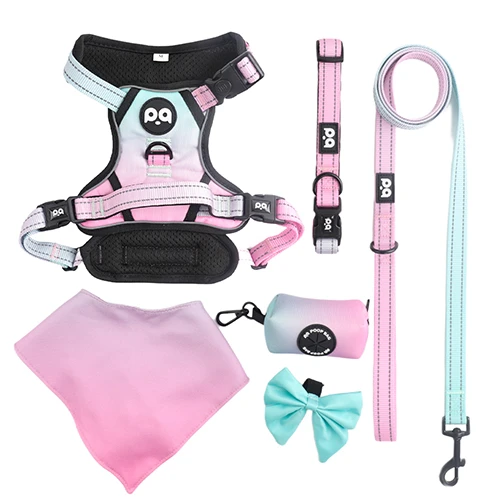
My name is Cathy, and as a pet product customization expert at the Fabbrica di qqpets, the most common and costly mistake I see new brand owners make is with color. Nothing is more frustrating than spending months developing a beautiful design, only to receive products that don't match. The question of how to ensure color matching for custom designed dog collars and leashes is not just about aesthetics; it is about brand integrity and customer satisfaction. A customer who buys a "matching set" expects it to match perfectly. The traditional manufacturing process is full of color pitfalls, from screen-to-print discrepancies to inconsistent production runs. We have eliminated these risks by building a transparent, technology-driven workflow that gives you complete control and certainty over your colors from the design stage to the final product.
How do you define the exact colors for your design?
You pick a beautiful blue on your computer screen, but you have no idea how it will actually look when printed on fabric. The "blue" on your monitor is totally different from the factory's monitor, leading to a final product that doesn't match your brand's color palette at all.
You must use a universal color language. A modern factory will have a system that allows you to specify your colors using the Pantone Matching System (PMS). This assigns a unique code to every shade, ensuring everyone is talking about the exact same color.
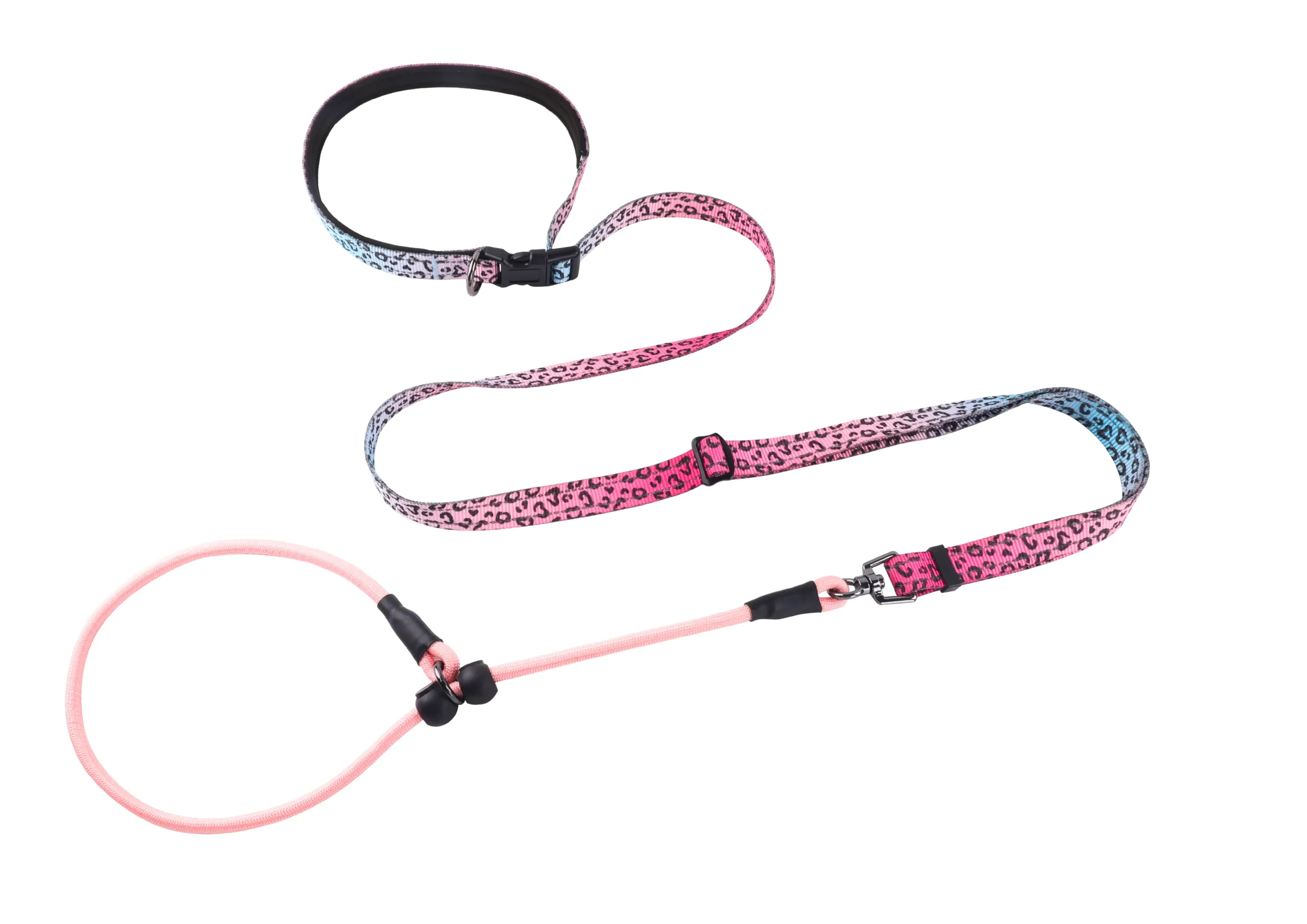
The root of most color problems is a failure to communicate precisely. Words like "sky blue" or "cherry red" are subjective. Even sending a digital image file is unreliable because every computer screen is calibrated differently1. The only way to solve this is to use a standardized system. The gold standard for this is the Pantone Matching System (PMS). It is like a universal dictionary for color. For example, instead of saying "Tiffany blue," you would specify "PMS 1837 C." This code corresponds to one exact, globally recognized shade. Our free and powerful 3D Mockup System is built around this principle. When you use our AI to generate Modelli personalizzati or upload your own designs, our system allows for the specification of Pantone colors. This means that from the very beginning, your design is anchored to a precise, measurable color target. This is the first and most critical step in ensuring perfect color matching.
Color Definition: The Old Guesswork vs. The Modern qqpets Precision
| Method | The Old, Subjective Guesswork | The Modern, Precise qqpets Method |
|---|---|---|
| Communication | Using vague color names ("dark green") or relying on uncalibrated screen images. | Using specific, universal Pantone (PMS) codes for every color in your design. |
| Processo di progettazione | Sending a JPEG/PNG file and hoping the factory's interpretation is correct. | Defining colors within our integrated 3D system, which links directly to our printers. |
| The Outcome | A lottery. The final color is a complete surprise and often disappointing. | Precision. The color target is clearly defined and digitally locked in from the start. |
How can you verify the colors on the actual product before mass production?
Your Pantone codes are set, but you know that the same color can look different on different materials2. You are worried that the beautiful "PMS 226 C" magenta will look dull or faded when printed on polyester webbing, and you don't want to risk thousands of dollars to find out.
You must approve a physical, production-grade sample. Seeing and touching the final product allows you to verify how the specified Pantone colors render on the exact webbing material under real-world lighting conditions before you commit to the full order.
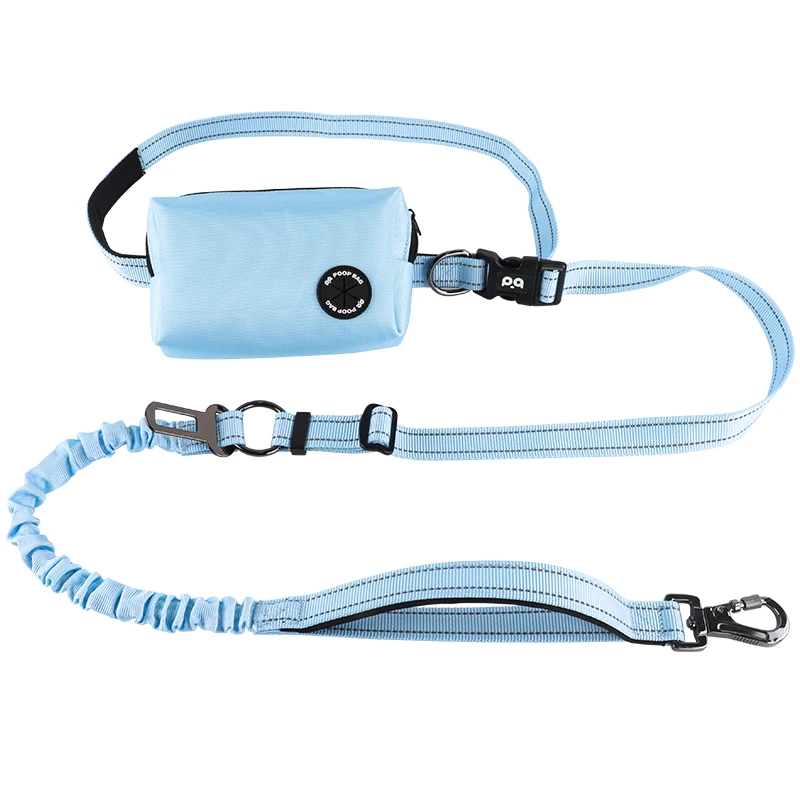
This step is non-negotiable for any brand that is serious about quality. A digital proof on a screen can never fully replicate a physical object3. The texture, sheen, and base color of the material all influence how a color is perceived by the human eye4. This is why our "Mockup in seconds" promise is always followed by our "Sample in 3 Days" guarantee. Once you approve your digitally perfect 3D model, we use that exact data to produce a real, physical sample. We use our advanced dye-sublimation printing process, where the inks are turned into a gas that permanently fuses with the high-density polyester fibers. This creates incredibly vibrant, sharp, and durable colors. When you receive this sample, you can take it outside, view it under different lights, and compare it directly to your expectations. It is your ultimate, risk-free opportunity to confirm the color accuracy. Only after you have given your 100% approval on this physical sample do we proceed to bulk production.
Color Verification: Blind Investment vs. Risk-Free Approval
| Stage | The Old, Risky Blind Investment | The qqpets Risk-Free Approval Process |
|---|---|---|
| Proofing | You only see a digital file and have to trust the factory's internal process. | You approve a perfect digital model, then a perfect physical sample. |
| Material Effect | You have no idea how your chosen colors will react with the fabric's texture and finish. | You see the final colors on the final material with your own eyes. |
| Confidence Level | Very low. You are investing money based on hope and a digital image. | 100% confidence. You are investing in a product you have personally held and approved. |
How do you guarantee color consistency across thousands of units?
The sample was perfect, but now you are ordering 1,000 collars. How can you be sure that the 1,000th collar will have the exact same shade of blue as the first one? Inconsistent batches can lead to customer complaints and a logistical nightmare.
You partner with an ISO 9001 certified factory that uses a color-managed workflow with spectrophotometers. This technology is used to calibrate printers and measure the output of every batch, ensuring it mathematically matches the approved Pantone color standard every time.
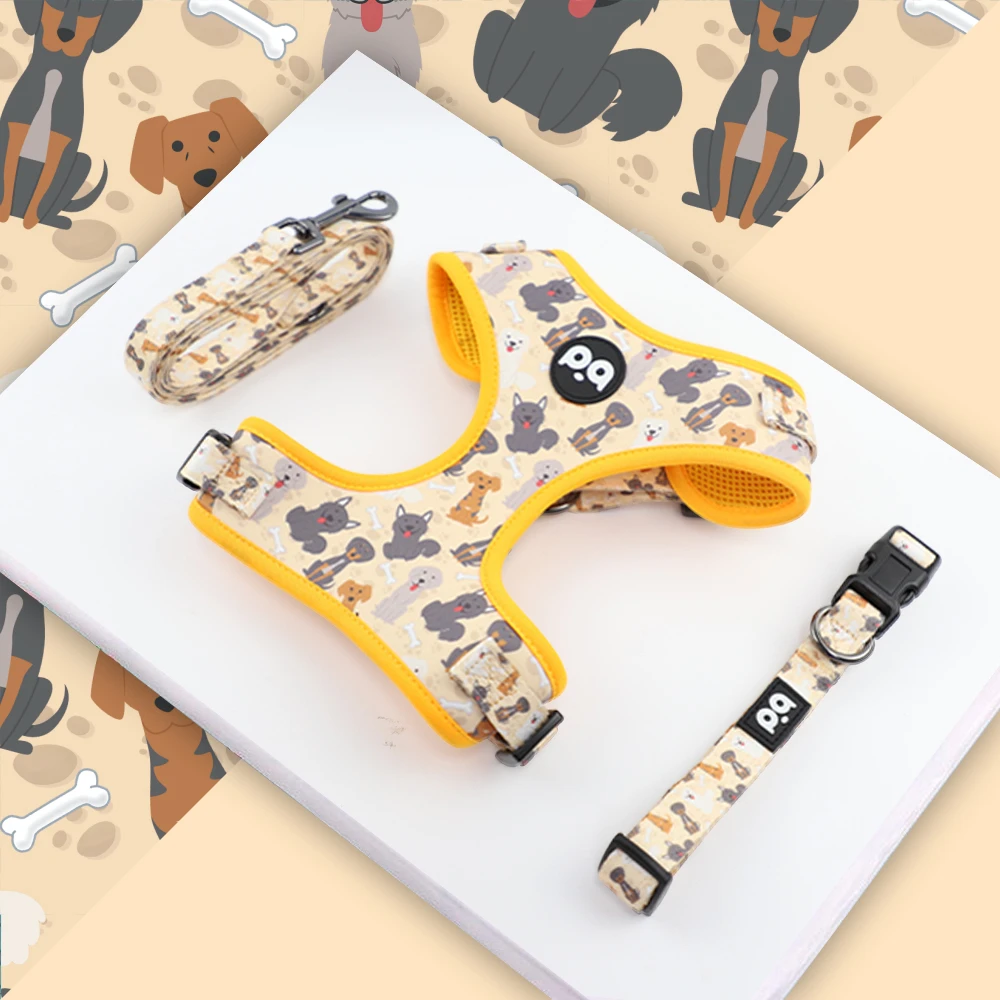
Maintaining color consistency across a large production run is a highly technical process. It is what separates a professional, modern factory from a small workshop. As an ISO 9001 certified manufacturer, our quality is based on documented, repeatable processes. Our printing department operates within a strict color-managed workflow. We use a device called a spectrophotometer, which is an instrument that measures color with scientific precision5. Before we start a production run, we use it to calibrate our dye-sublimation printers to ensure they are hitting the exact target Pantone values. Then, during production, we take random samples from the printed webbing and measure them with the spectrophotometer. This device gives us a data reading (a "Delta E" value6) that tells us how close the printed color is to the target color. This scientific measurement, combined with visual checks by our dedicated quality control team, guarantees that every meter of webbing we produce is a perfect match. This process ensures that every single collar and leash in your order, from the first to the last, is consistent.
If you are ready to produce custom collars and leashes with guaranteed color accuracy, our team is here to help. Contact our expert team today to get started.
Conclusione
Ensure perfect color matching by defining colors with Pantone codes, verifying them with a rapid physical sample, and using a factory with a color-calibrated, scientifically-managed production process.
"Color Management – Imaging Center - Campus Offices", https://campus.collegeforcreativestudies.edu/imaging-center/tag/color-management/. Color-management literature explains that display color appearance depends on device characterization and calibration, supporting the need not to rely on uncalibrated screens for production color decisions. Evidence role: mechanism; source type: education. Supports: Digital colors can appear differently on different computer screens because monitors vary in calibration.. Scope note: This supports the general mechanism of display-to-display variation, not the specific factory workflow described in the article. ↩
"Methods of determining gloss", https://nvlpubs.nist.gov/nistpubs/jres/18/jresv18n1p19_A1b.pdf. Color science sources explain that perceived color depends on material properties such as surface texture, gloss, reflectance, and substrate, supporting the claim that the same specified color may appear different on different materials. Evidence role: mechanism; source type: education. Supports: A color specification can appear different when reproduced on different materials.. Scope note: This supports the perceptual and physical principle generally, not a specific polyester-webbing test result. ↩
"Soft Proofing in Action - Telhan - 2026 - Information Display", https://sid.onlinelibrary.wiley.com/doi/full/10.1002/msid.70028. Color-management guidance distinguishes soft proofing on displays from hard-copy or physical proofing, noting that screen previews are limited by display calibration, viewing conditions, and differences between emitted and reflected light. Evidence role: mechanism; source type: institution. Supports: Digital screen proofs have inherent limitations when used to predict the appearance of physical products.. Scope note: This supports the general limitation of screen proofing; “never fully replicate” is broader than most technical sources would state absolutely. ↩
"Surface gloss and color perception of 3D objects - PMC - NIH", https://pmc.ncbi.nlm.nih.gov/articles/PMC2538579/. Research on color appearance and material perception shows that surface properties, including gloss, texture, and background or substrate reflectance, influence perceived color. Evidence role: mechanism; source type: paper. Supports: Material texture, sheen, and base color can affect human perception of reproduced color.. Scope note: The evidence is contextual color-science support and may not address dog-collar webbing specifically. ↩
"Spectrophotometry | NIST", https://www.nist.gov/programs-projects/spectrophotometry. Scientific and standards sources define spectrophotometers as instruments that measure spectral reflectance or transmittance, providing quantitative data used in color measurement and quality control. Evidence role: definition; source type: government. Supports: A spectrophotometer is used to measure color quantitatively.. Scope note: The phrase “scientific precision” is qualitative; sources can support quantitative color measurement capability, not perfection. ↩
"Color difference", https://en.wikipedia.org/wiki/Color_difference. Color-difference standards define ΔE as a numerical measure of perceived or calculated difference between two colors in a color space, commonly used to evaluate how closely a sample matches a target. Evidence role: definition; source type: institution. Supports: Delta E is a numerical color-difference metric used to compare a produced color with a target color.. Scope note: Different ΔE formulas and tolerance thresholds exist, so a ΔE value must be interpreted with the specified method and acceptance criteria. ↩