 LV
LV  EN
EN  FR
FR  RU
RU  DE
DE  AR
AR  ES
ES  PT
PT  IT
IT  NL
NL  PL
PL  SL
SL  ET
ET  RO
RO  CS
CS  EL
EL 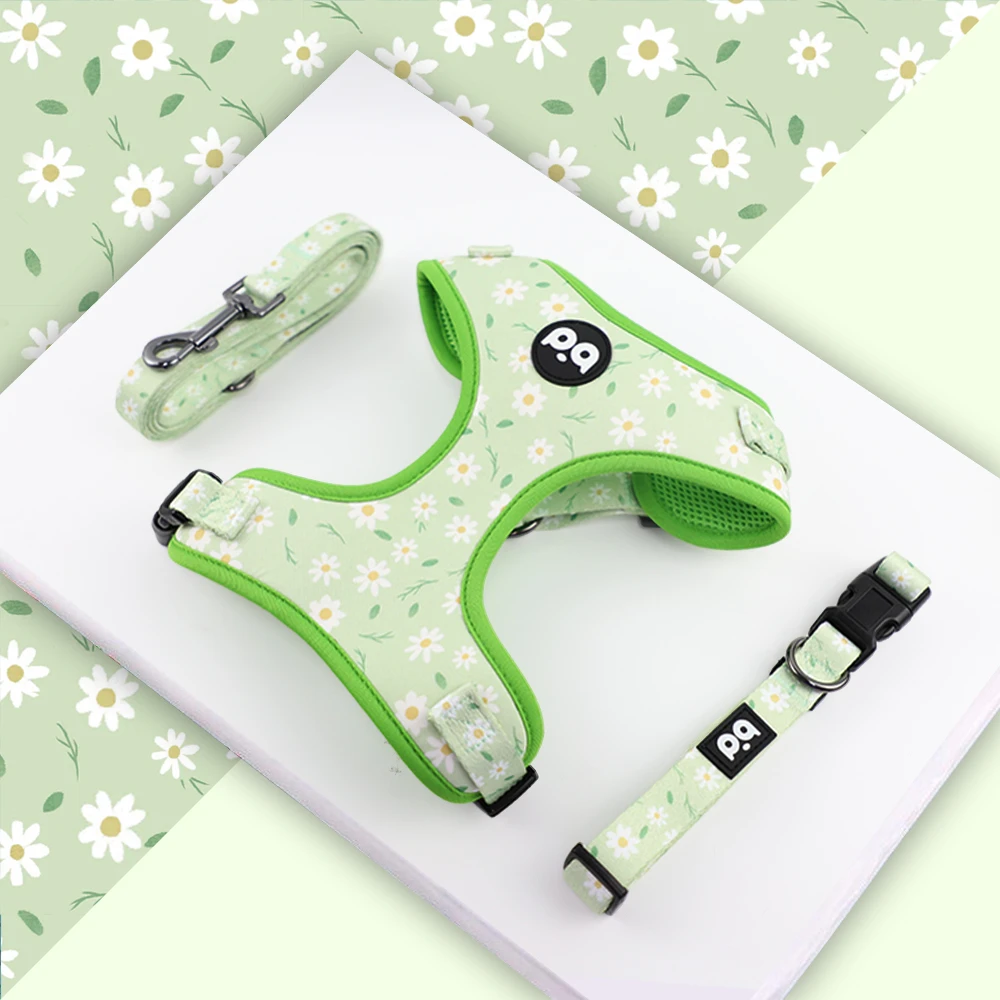
You have a brilliant idea for a custom dog collar, maybe even a sketch on a napkin. But the journey from that simple sketch to having actual stock on your shelves seems like a huge, risky mountain to climb.
You can take a collar from sketch to stock by following a simple, three-step journey1 with a modern factory partner: create your design with free online tools2, verify the quality with a rapid physical sample, and place a low-risk, affordable production order.
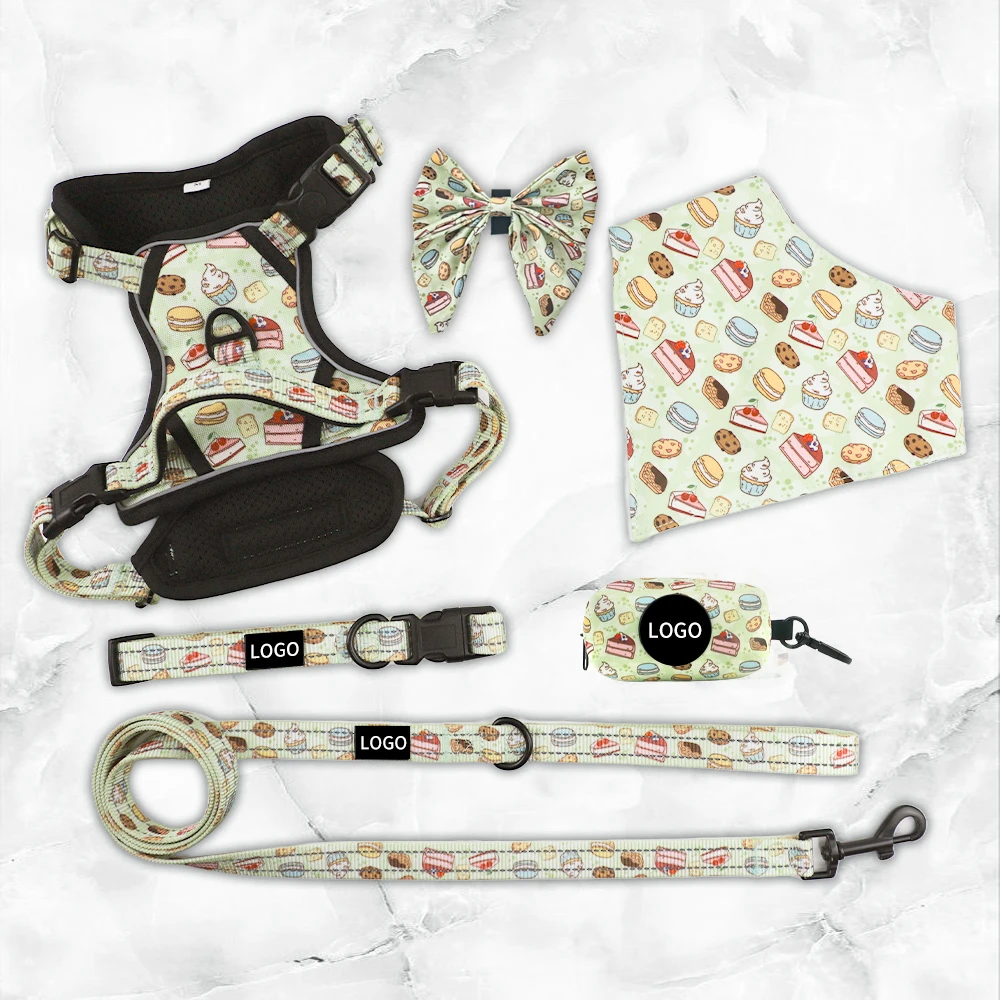
My name is Cathy, and as a pet product customization expert at qqpets, I understand that journey better than anyone. I see entrepreneurs get stuck at the very beginning, overwhelmed by the unknown. They hold onto their "sketch" but never take the first step. I'm here to demystify the entire process. The path from a simple idea to a successful online store is not about luck; it's about having a clear, proven system. Let's walk through that system together.
How do you turn your 'sketch' into a professional design for free?
Your idea is unique, but you're not a graphic designer. You are worried that you'll have to pay hundreds of dollars for a design that you might not even love, delaying your launch and eating into your budget.
You can now be your own professional designer using powerful, free online tools. Our system allows you to generate exclusive Pielāgotie modeļi and create a realistic 3D product model3 in just seconds.
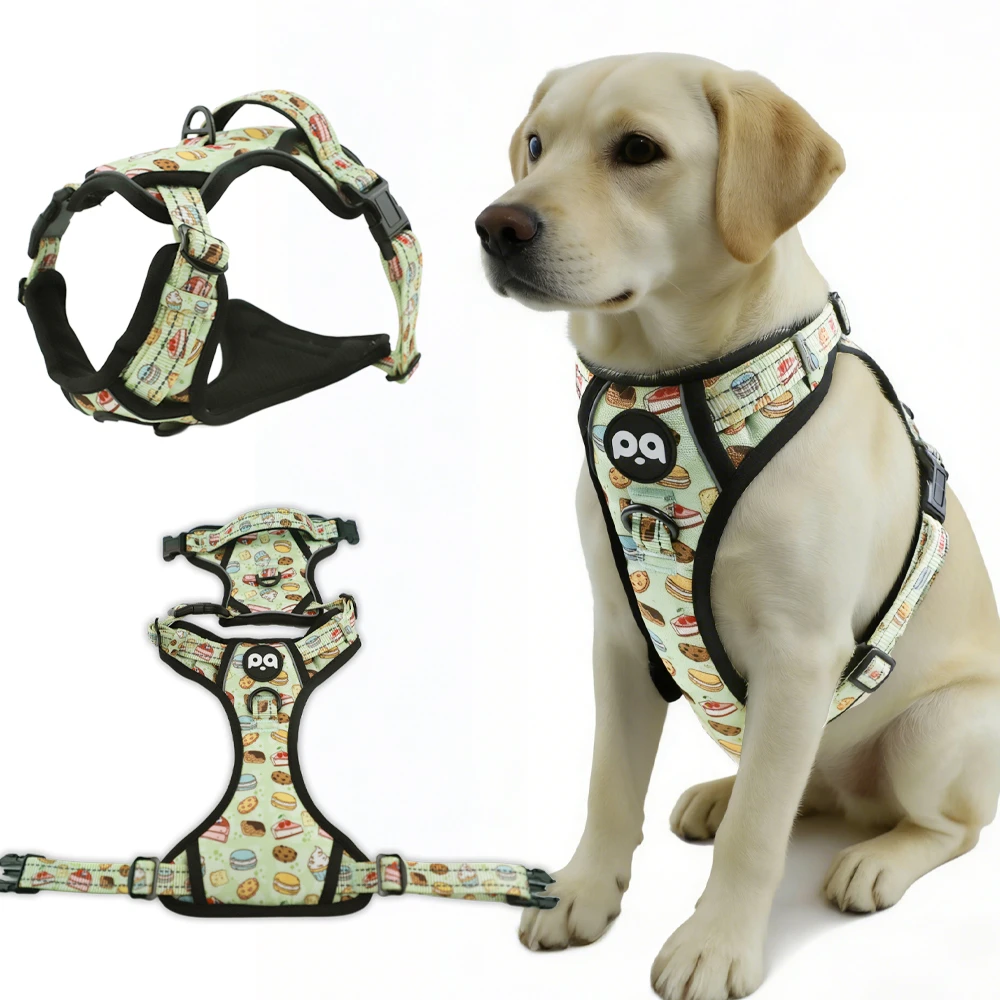
This is the first step: turning your idea into a digital reality. It used to be the hardest part, but we made it the easiest. We invite you to try our free 3D Mockup System. Here, you can use our built-in AI Pattern Generator. Simply type your idea into the system—for example, "a pattern of happy Shiba Inus on a pink background"—and watch as the AI creates several unique options4 for you. Choose your favorite, apply it to a 3D collar or harness model, and see your vision come to life. This is our "Mockup in seconds" promise. It gives you unlimited creative power without any design cost, ensuring your brand starts with a product that is truly different.
How do you move from a digital design to a physical product you can trust?
You have a beautiful 3D mockup, but a deep fear remains. How do you know the real product will have the right colors5, feel durable, and look as good as it does on your screen?
You gain trust by holding a physical product in your hands before you commit to a full order6. A reliable factory partner will offer a rapid sampling service to turn your digital design into a real-world sample quickly.
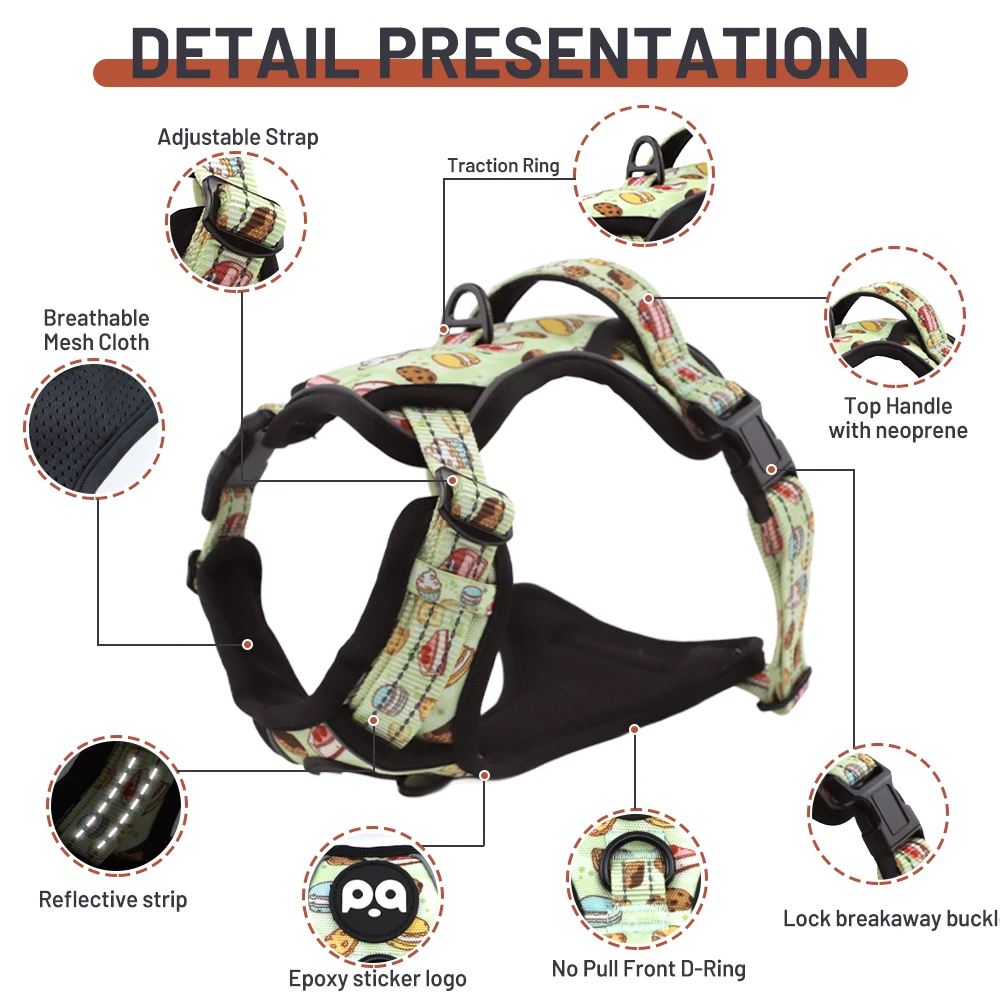
This step is all about eliminating risk and building confidence. You should never invest in thousands of units based on a picture. That's why we have the second part of our core promise: "Sample in 3 Days." Once you finalize your design in our system, our factory team gets to work immediately. Within three days, a physical, production-quality sample of your custom dog collar is on its way to you. You can test the strength of the buckle7, feel the quality of the webbing, and see your unique pattern printed with perfect clarity. Holding this sample is the moment your brand becomes real. It is your proof that the quality you expect is the quality you will get.
How do you get your product in stock without a huge upfront investment?
You have approved the perfect sample, but now comes the biggest hurdle: the production order. Traditional factories demand huge Minimum Order Quantities (MOQs)8 that are simply too expensive and risky for a new brand.
You can stock your store affordably by using a "lightweight customization" model. This means working with a factory that supports small brands with very low MOQs, allowing you to test the market intelligently9.
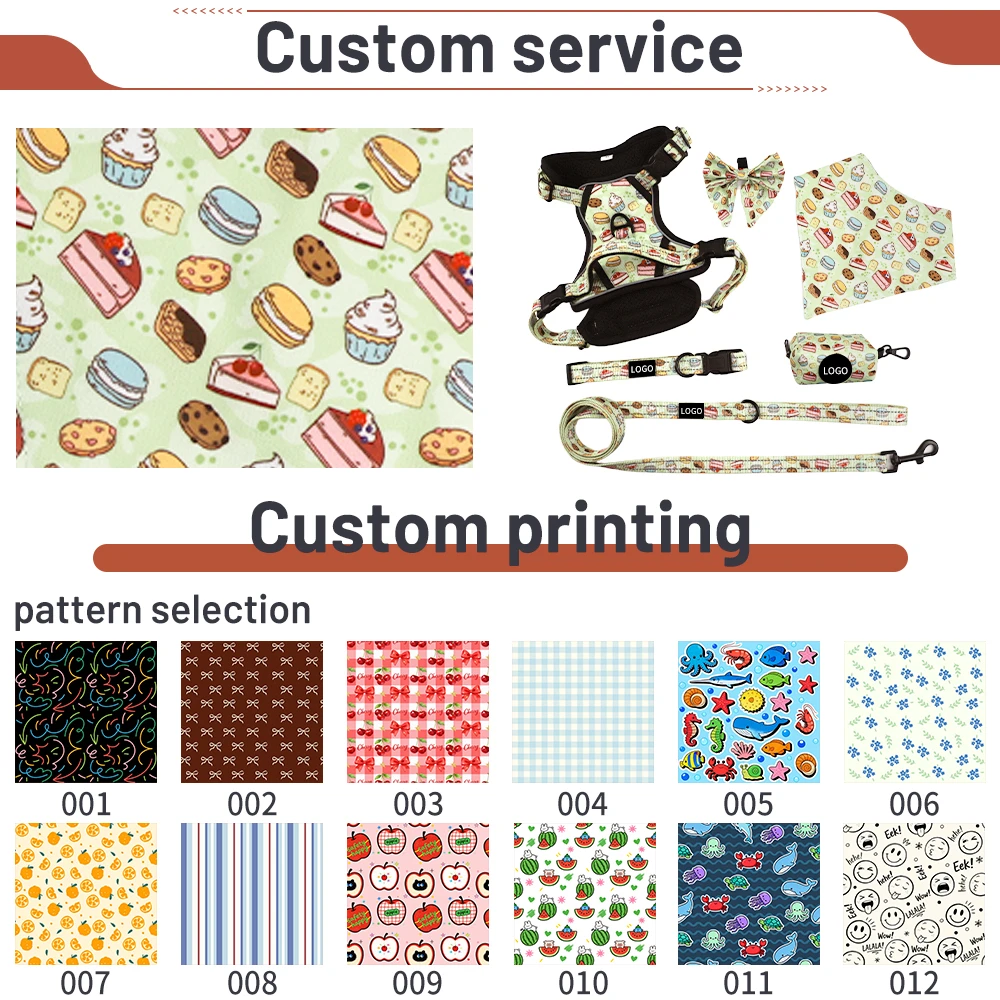
This is the final step that makes your dream a reality. Our entire business model is built to support online sellers like you. We offer an industry-leading low MOQ of just 50 pieces per size, per design. This is a game-changer. Instead of betting your whole budget on one design, you can launch a collection of four or five unique designs. You can let your customers decide what's popular. When one design sells out, you have a proven winner. Then, you can place a larger reorder with confidence. This strategy minimizes financial risk, prevents you from getting stuck with unsold inventory10, and builds your business on a foundation of real customer data.
Ready to finally take your idea from sketch to stock? Contact our expert team today and let's start your journey.
Secinājums
The journey from sketch to stock is a simple, three-step process: design with AI, verify with a rapid sample, and stock affordably with low minimum orders. Your brand is waiting.
"Navigating new product development: Uncovering factors and overcoming ...", https://pmc.ncbi.nlm.nih.gov/articles/PMC10788447/. Product development literature commonly describes new product realization as a staged process that moves from concept/design through prototyping or testing to production or launch; this supports the article’s simplified three-step framing as a practical adaptation. Evidence role: general_support; source type: paper. Supports: A custom dog collar can be taken from concept to stock through a staged process of design, sampling, and production.. Scope note: The source would support the general staged model, not this company’s specific workflow or timing claims. ↩
"CAD Drafting Technologies - Minnesota State College Southeast", https://www.southeastmn.edu/program/Computer-Aided-Technologies. Educational and industry-neutral sources on computer-aided design and browser-based design tools show that non-specialists can create digital product visuals with accessible online software; this contextualizes the claim that initial design work can be done without paid graphic design services. Evidence role: general_support; source type: education. Supports: Accessible online tools can help non-designers create digital product designs or mockups.. Scope note: Such sources would not verify that every user can achieve professional-quality results or that a specific tool is free indefinitely. ↩
"(PDF) Modelling 3D product visualisation for online retail ...", https://www.academia.edu/65664003/Modelling_3D_product_visualisation_for_online_retail_atmospherics. Research on 3D product visualization in e-commerce reports that interactive or realistic product representations can help users evaluate product appearance before purchase, supporting the use of 3D mockups for pre-production visualization. Evidence role: general_support; source type: paper. Supports: A realistic 3D mockup can help visualize a product design before physical production.. Scope note: The evidence would support 3D visualization generally, not prove that the specific mockup exactly predicts the final manufactured collar. ↩
"Many-to-many Image Generation with Auto-regressive Diffusion Models", https://arxiv.org/html/2404.03109v1. Research on generative AI and text-to-image models explains that such systems can synthesize multiple novel visual outputs from natural-language prompts, supporting the mechanism behind generating alternative pattern concepts. Evidence role: mechanism; source type: paper. Supports: AI pattern generators can create multiple visual options from a text prompt.. Scope note: This would support the general capability of generative AI systems, not the quality, originality, or legal status of any specific pattern generated by the article’s tool. ↩
"Why is printed colour different from screen colour? - Facebook", https://www.facebook.com/groups/1854803277930247/posts/27727294400254447/. Color management sources explain that colors displayed on screens can differ from printed or manufactured colors because devices, materials, lighting, and color spaces reproduce color differently; this supports the need to check physical samples for color accuracy. Evidence role: mechanism; source type: institution. Supports: A physical sample helps verify whether product colors match expectations from a digital mockup.. Scope note: The source would explain why color differences can occur generally, not assess the color accuracy of any specific collar sample. ↩
"Develop Better Products Through Reducing Uncertainty", https://www.innovationleader.com/thought-leadership/develop-better-products-through-reducing-uncertainty/. Product prototyping literature identifies physical prototypes as tools for evaluating design, materials, usability, and manufacturing issues before larger-scale production commitments, supporting the role of a sample in reducing uncertainty. Evidence role: expert_consensus; source type: paper. Supports: Reviewing a physical sample before a full order can reduce uncertainty in product development.. Scope note: The source would support the general value of prototyping, not guarantee that one sample detects all production defects. ↩
"Pressure and force on the canine neck when exercised using a collar and ...", https://pmc.ncbi.nlm.nih.gov/articles/PMC7386734/. Standards and testing references for textile and pet-product hardware describe strength or tensile testing as a way to assess whether buckles, straps, and related components can withstand applied loads, supporting the value of physically checking hardware strength. Evidence role: mechanism; source type: institution. Supports: Physical samples allow hardware such as buckles to be inspected or tested for strength before production.. Scope note: The source would support the relevance of strength testing generally, not certify the safety or load rating of the specific buckle mentioned in the article. ↩
"Raw Material Minimum Order Quantity Optimization - DSpace@MIT", https://dspace.mit.edu/entities/publication/e43f520c-9951-4e8d-b867-36c7afb5234c. Operations and supply-chain sources describe minimum order quantities as supplier-imposed purchase thresholds often used to cover setup, production, or transaction costs, supporting the general claim that MOQs are a common manufacturing constraint. Evidence role: definition; source type: education. Supports: Minimum order quantities are a common manufacturing and sourcing constraint that can require buyers to purchase above a threshold quantity.. Scope note: The source would define and contextualize MOQs generally; it would not establish that all traditional factories require “huge” MOQs or specify pet-collar industry averages. ↩
"[PDF] Assessment of Minimum Viable Product Techniques - PDXScholar", https://pdxscholar.library.pdx.edu/cgi/viewcontent.cgi?article=2178&context=etm_studentprojects. Lean startup and entrepreneurship literature emphasizes testing market demand with small batches or minimum viable products before scaling, supporting the rationale that smaller initial orders can reduce uncertainty while gathering demand signals. Evidence role: expert_consensus; source type: paper. Supports: Low-volume initial production can help new brands test market demand before scaling.. Scope note: This supports the market-testing logic of low-volume launches, not any specific MOQ threshold or guaranteed commercial success. ↩
"Inventory Management Under Uncertainty", https://www.acsu.buffalo.edu/~keechung/Inventory%20Management%20Under%20Uncertainty.pdf. Inventory management literature identifies demand uncertainty and overstocking as causes of excess or obsolete inventory costs, supporting the claim that smaller initial orders can reduce exposure to unsold stock. Evidence role: mechanism; source type: paper. Supports: Ordering smaller quantities can reduce the financial risk of excess unsold inventory when demand is uncertain.. Scope note: The source would support the risk mechanism generally; it cannot prove that a specific low-MOQ order will prevent unsold inventory in every case. ↩