 PT
 EN
 FR
 RU
 DE
 AR
 ES
 IT
 NL
 PL
 SL
 ET
 RO
 CS
 EL
 LV
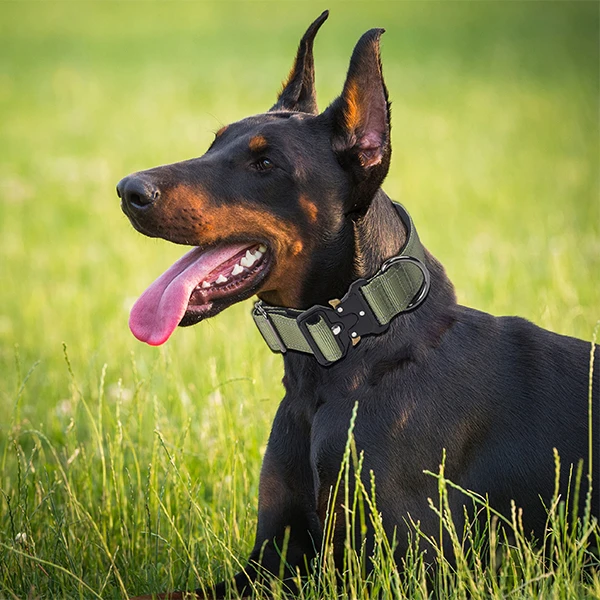
Your outdoor brand needs gear that performs, but creating genuinely durable German Shepherd collars that are also unique and customizable feels complex and risky. You know a standard product will fail, damaging your brand's reputation.
The solution is to engineer the collar with a tactical mindset. This requires specifying double-layer polyester webbing, using only load-rated all-metal hardware, and demanding reinforced stitching at every stress point. This creates a product engineered for safety and performance.
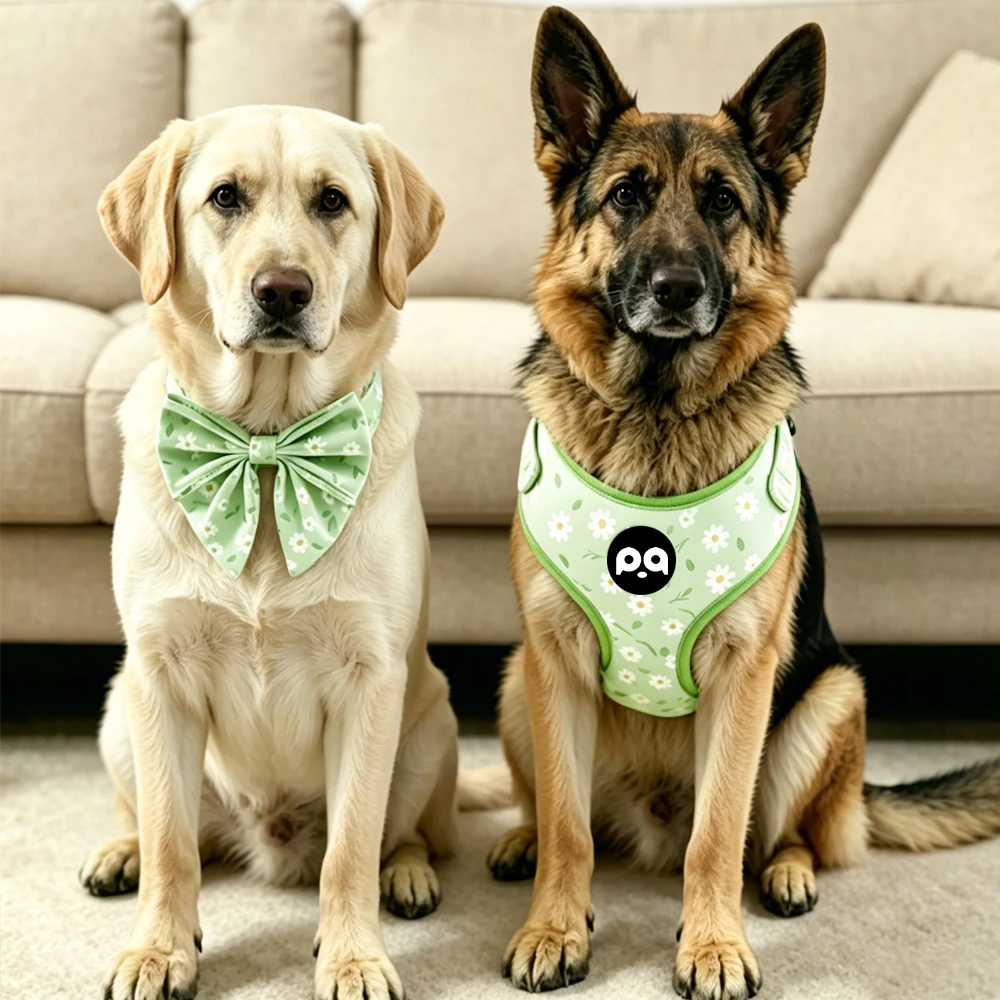
My name is Cathy, and as a pet traction customization expert at the Fábrica de qqpets, I know that for your customers, equipment failure is not an option. For working-dog handlers and outdoor enthusiasts, a collar is a critical piece of safety gear1. They need products they can trust without question. A broken buckle isn't just a defect; it's a catastrophic failure. This guide is your technical brief. I'll show you, the brand owner, how to specify and develop a GSD collar that meets the highest standards of durability, making your brand synonymous with reliability.
Why Are German Shepherd Collars Fundamentally Different?
You might think a GSD collar is just a bigger version of a regular collar. This common mistake leads to product failures and puts powerful dogs at risk, harming your brand's credibility.
A German Shepherd collar is a piece of performance gear, not an accessory. It must be engineered to handle immense pulling force2, protect a thick double coat from irritation, and withstand harsh outdoor conditions.
A successful product must be engineered for the breed's specific challenges. A GSD's gear must handle their immense pulling power, so the entire construction must be load-bearing. Their thick double coat can trap moisture and hide skin irritation3, so the material must be wide, smooth, and non-abrasive to prevent painful hot spots. Finally, working and outdoor dogs expose their gear to mud, water, and abrasion4. The materials must resist this constant abuse without degrading, stretching, or fading. A standard collar fails on all these points, making specialized design essential.
Is Polyester Really Better Than Nylon for a Tactical Collar?
You see "heavy-duty nylon" marketed everywhere, making it seem like the default choice for a strong collar. You worry that choosing a different material is a risk, despite nylon's known weaknesses.
Yes, high-density polyester is definitively superior for a high-performance GSD collar. It offers far better resistance to stretching when wet, has excellent UV stability to prevent fading5, and is the perfect canvas for vibrant, custom printing.

While nylon is strong, it absorbs water and can stretch significantly, creating a dangerous escape risk. It also fades in the sun, dulling your custom designs. High-density polyester webbing is the professional choice. It is hydrophobic, repelling water and maintaining its shape and strength in all weather. Its superior UV resistance means your custom patterns stay bright and crisp. For sublimation printing—the only way to achieve durable, full-color patterns—polyester provides the perfect surface, making it the clear winner for creating gear that is both tough and visually distinctive.
Why is All-Metal Hardware Non-Negotiable for a Working-Dog Collar?
You're trying to manage production costs, and high-quality metal buckles are more expensive than plastic. You might be tempted to use a "heavy-duty" plastic buckle to improve your margins.
This is a corner you can never cut. For a working-dog brand, a plastic buckle is a guaranteed point of failure. Only load-rated, all-metal hardware can provide the absolute security your customers demand.
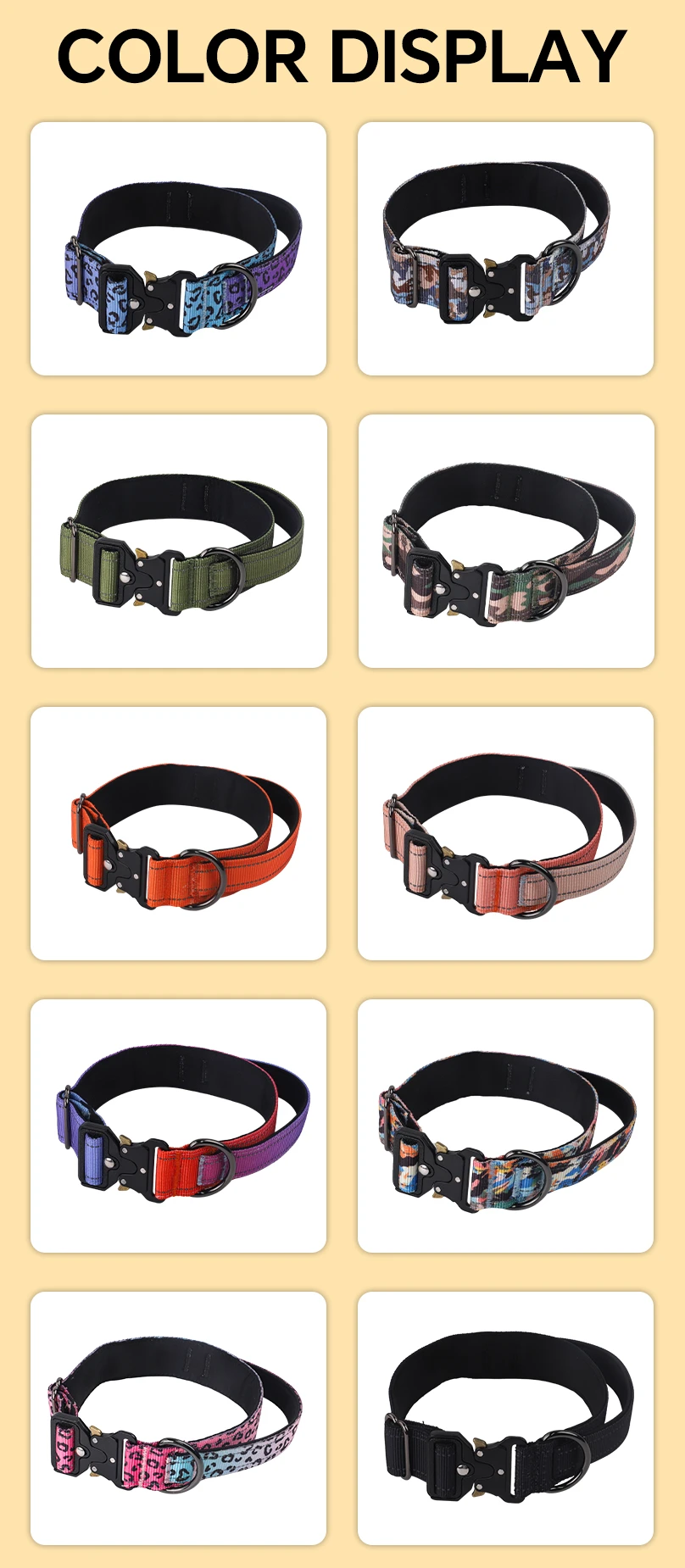
The buckle is the collar's most critical component. A sudden pull from a GSD can shatter plastic. There are only two acceptable options. For ultimate performance, specify a load-rated metal 'Cobra' buckle, known for its quick-release convenience and military-grade strength. Alternatively, a classic, heavy-duty metal pin buckle offers foolproof reliability. The D-ring for leash attachment must also be a solid, welded piece of metal6, not a cheap bent wire that can be pulled open under force. This focus on metal hardware is the foundation of a truly durable product.
What is Reinforced Stitching and Why is it Critical?
You've picked strong webbing and a metal buckle, but the thread holding it all together is the most common point of failure. You can't afford to overlook how the collar is assembled.
Reinforced stitching is an industrial sewing technique that uses specific, high-density patterns to secure load-bearing points. It is a critical manufacturing requirement for any gear intended for powerful dogs.
Standard sewing will tear under the shock load from a GSD. Every point where hardware attaches to the webbing must be secured with industrial reinforcement. You must specify either a "bar tack7" (a dense block of stitches) or a "box stitch" (a stitched square with an 'X' inside). These techniques distribute pulling force across a wider area of the webbing, creating a seam that is often stronger than the material itself. This simple specification dramatically increases the safety and longevity of your product.
How Can Your Brand Create Tactical Designs That Actually Sell?
You want to be known for unique, high-performance gear, but you're stuck with the same generic camouflage and solid colors as everyone else. You don't have the budget for a full-time graphic designer.
You must leverage technology to create proprietary patterns that resonate with your audience. A modern manufacturing partner should provide advanced tools that let you create unique tactical and outdoor designs instantly and for free.
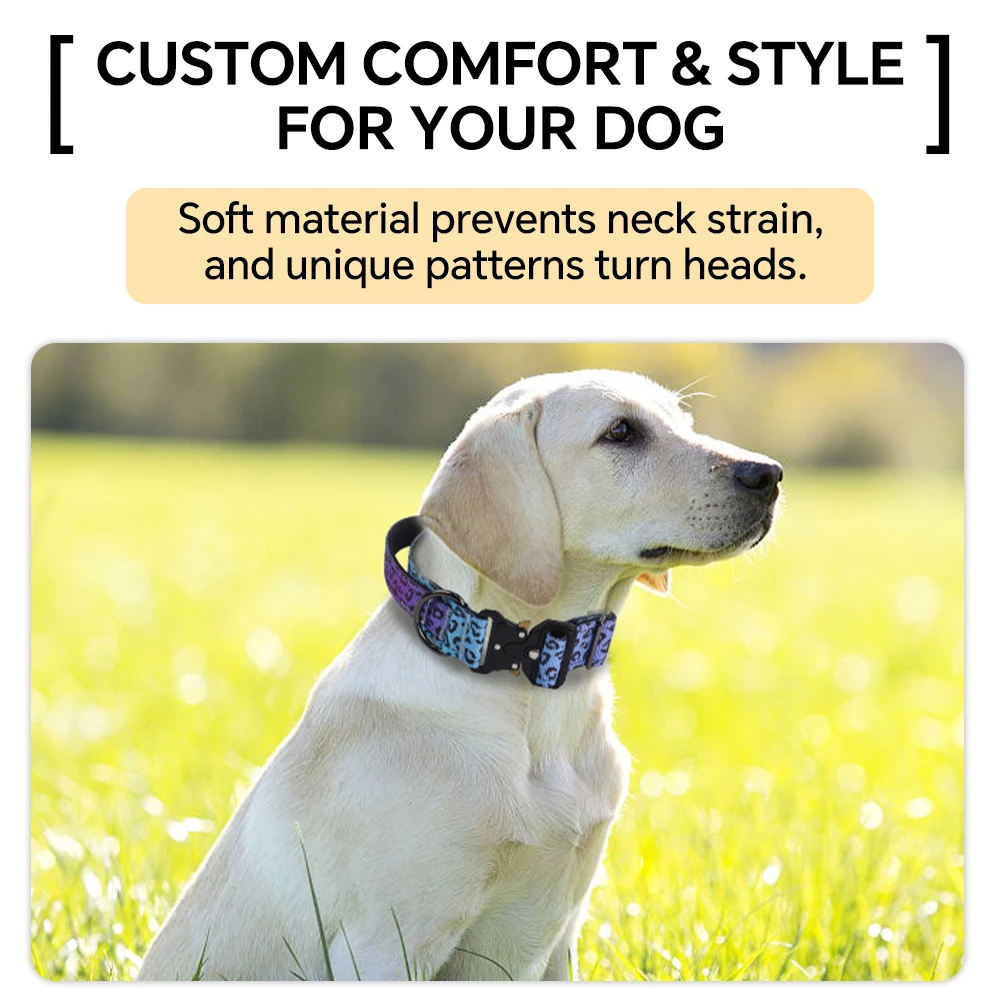
This is your biggest opportunity to stand out. We give you the tools. Our revolutionary 3D Mockup System is free for all our clients and includes a powerful AI Pattern Generator. Just type your vision—"modern digital camo with olive green," "subtle topographical map pattern"—and the AI generates unique, seamless designs in seconds. Our "Mockup in seconds" feature then instantly applies that pattern to a photorealistic 3D collar. You can develop an entire collection of proprietary designs in an afternoon, at no extra cost.
How Do You Partner with a Manufacturer for Low-Risk Custom Production?
You have a winning product vision, but the high Minimum Order Quantities (MOQs) from traditional factories are a massive barrier, tying up capital and creating inventory risk.
You need to find a modern OEM partner built for agile, online brands. Look for a factory that offers "lightweight customization"—combining powerful design tools with low MOQs to empower your growth without the risk.
We are pet traction customization experts for the modern digital brand. We've built a flexible production system that allows us to offer an industry-leading MOQ of just 50 pieces per design and size. This lets you launch a diverse collection, test new designs in the market, and scale your winners without a huge upfront investment. Our "Sample in 3 Days" promise means you can approve a physical product quickly. This combination of free AI design, instant mockups, rapid sampling, and low-risk ordering is the formula for success. Ready to build your brand? Contact our expert team today!
Conclusão
Create durable GSD collars with double-layer polyester, all-metal hardware, and reinforced stitching. Partner with a low-MOQ manufacturer using AI design tools to build your high-performance brand with minimal risk.
"A Guide to Safely Walking Your Four-Legged Friend", https://rpvca.gov/1720/A-Guide-to-Safely-Walking-Your-Four-Legg. Veterinary and animal-welfare guidance commonly treats collars, identification, and leash restraint as components of companion-animal control and safety, supporting the framing of collars as safety equipment rather than mere accessories. Evidence role: expert_consensus; source type: institution. Supports: For working-dog handlers and outdoor enthusiasts, a collar is a critical piece of safety gear.. Scope note: This supports the general safety role of collars and restraint, not the specific performance requirements of German Shepherd working collars. ↩
"German Shepherd", https://en.wikipedia.org/wiki/German_Shepherd. Breed references documenting the German Shepherd’s typical adult size and working-dog use provide contextual support for the need to design collars for substantial mechanical loads. Evidence role: general_support; source type: encyclopedia. Supports: A GSD's gear must handle their immense pulling power, so the entire construction must be load-bearing.. Scope note: Breed size and working roles imply higher load demands but do not directly measure maximum collar forces during pulling. ↩
"Hot spots", https://www.vet.cornell.edu/departments-centers-and-institutes/riney-canine-health-center/canine-health-topics/hot-spots. Veterinary dermatology sources identify moisture, friction, and dense coats as factors associated with hot spots and other superficial skin irritation in dogs, supporting the concern that collar-contact areas can become problematic when moisture is retained. Evidence role: mechanism; source type: institution. Supports: A thick double coat can trap moisture and conceal skin irritation, making non-abrasive collar materials important.. Scope note: The evidence is about canine skin irritation mechanisms generally and may not isolate collars or German Shepherds specifically. ↩
"Types of Waterproof Fabric for Outdoor Use", https://mfgmerch.com/types-of-waterproof-fabric/. Standards and technical-textile literature evaluate outdoor textile durability through abrasion, water exposure, and weathering tests, supporting the use of these environmental stresses as relevant design criteria for outdoor gear. Evidence role: general_support; source type: institution. Supports: Working and outdoor dog collars should be designed to withstand mud, water, and abrasion.. Scope note: This supports the relevance of the stressors for outdoor textiles generally, not a specific failure rate for dog collars. ↩
"UV Resistance in Technical Textiles: Why It Matters", https://www.e2techtextiles.com/uv-resistance-in-technical-textiles-why-it-matters/. Textile-aging studies and fiber-property references describe polyester as having relatively good resistance to ultraviolet degradation compared with many common fibers, supporting its use where sunlight exposure and color retention matter. Evidence role: mechanism; source type: paper. Supports: Polyester offers strong UV stability that helps reduce fading in outdoor collars.. Scope note: UV performance depends on dye chemistry, stabilizers, exposure intensity, and fabric construction, so the source would support the general material choice rather than guarantee no fading. ↩
"1926.251 - Rigging equipment for material handling.", http://www.osha.gov/laws-regs/regulations/standardnumber/1926/1926.251. Rigging and hardware safety references distinguish load-rated welded or forged metal attachment hardware from non-rated bent wire forms, supporting the principle that leash attachment points should use rated metal components where high loads are expected. Evidence role: expert_consensus; source type: institution. Supports: A leash D-ring for a powerful working dog should be a solid, welded metal component rather than non-rated bent wire.. Scope note: Rigging guidance is contextual and may not be written specifically for dog collars, but it supports the broader load-bearing hardware principle. ↩
"What Is Bartack Stitching and Why It Matters", https://nanobag.com/blogs/blogs/what-is-bartack-stitching?srsltid=AYCX9vIX3o6wpw4oJ_n50lFzFq6cI39U0Xr0XhdZEGANjkyi7VkuYim7. Technical sewing and sewn-product engineering sources describe bartack stitching as a dense reinforcement used at high-stress points, supporting its use for load-bearing collar attachments. Evidence role: definition; source type: education. Supports: Bar tack stitching is an industrial reinforcement technique appropriate for high-stress load-bearing points.. Scope note: This supports the function of bartack reinforcement generally, not a specific strength value for the collar design described in the article. ↩