 SL
SL  EN
EN  FR
FR  RU
RU  DE
DE  AR
AR  ES
ES  PT
PT  IT
IT  NL
NL  PL
PL  ET
ET  RO
RO  CS
CS  EL
EL  LV
LV 
You want to launch your own brand of custom American-style dog collars for your UK store. However, the process of private label1ing seems incredibly complicated. You're worried about finding a reliable manufacturer, huge order quantities, and the risk of getting it wrong.
The secret to successful private labeling is a simple, four-step process with a factory partner built for customization. You digitally design your unique product, verify it with a rapid physical sample, place a low-risk production order, and build your brand.
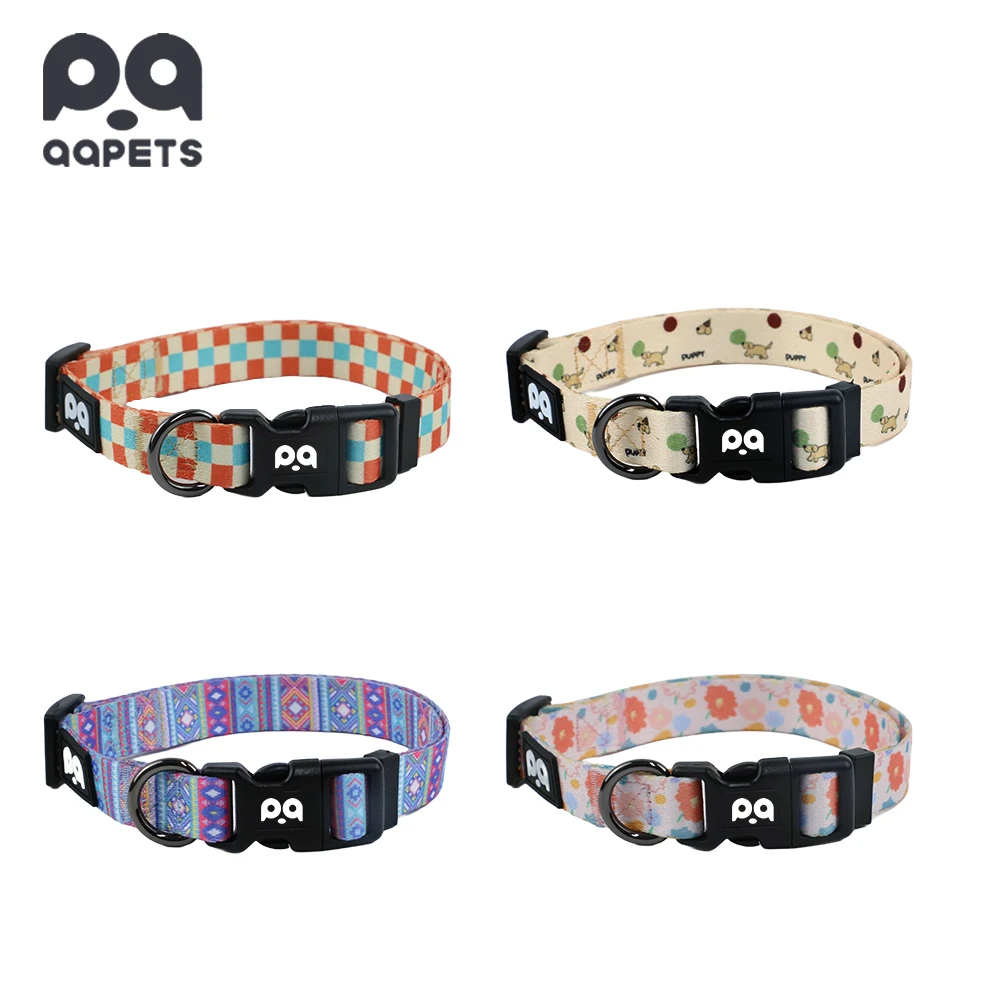
My name is Cathy, and as a custom pet gear specialist at qqpets, my main role is helping entrepreneurs in the UK turn their brand ideas into reality. I know that the term "private label" can sound intimidating, suggesting a process reserved for huge companies. The truth is, modern technology and our factory-direct model have made it accessible for everyone, especially online store owners2. You don't need a background in design or manufacturing3. You just need a vision for your brand and the right partner to help you execute it. Let me show you exactly how easy it is to create your own line of custom American dog collars.
How do you create a unique brand identity without a designer?
You want your collars to be unique, not just another generic product with your logo slapped on. But you don't have the budget to hire a UK-based designer or the time for a slow, frustrating creative process.
You become the designer yourself, for free, in minutes. Using our integrated digital design suite, you can create completely unique Vzorci po meri with AI, apply your logo, and perfect your design on a photorealistic 3D model4.
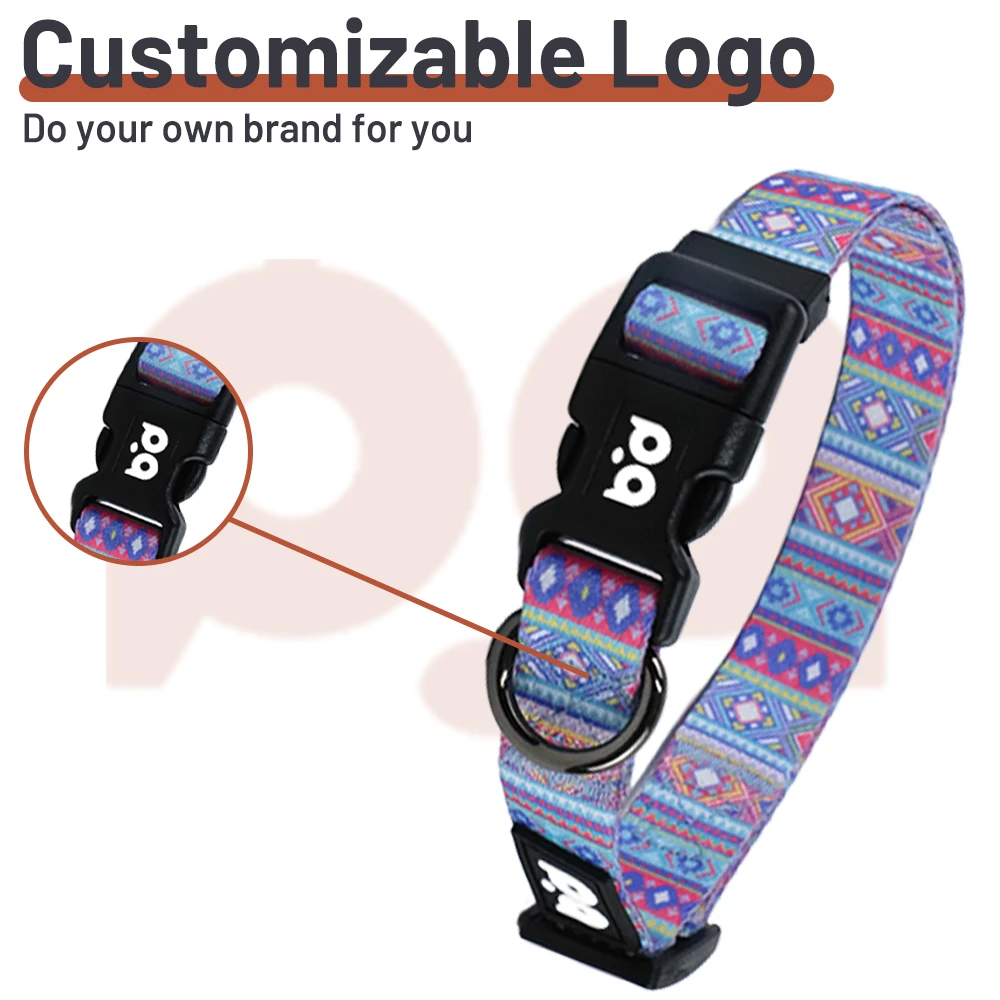
This is the first and most empowering step in the private labeling journey. It’s where you define what makes your brand special. The "American style" might refer to a rugged, wide collar with a tactical buckle5, but your private label is what makes it unique. It's the specific color palette, the pattern, and the logo that will make a customer choose your collar over another. In the past, this creative step was a huge barrier. Now, our technology makes it the easiest part of the process, which is the foundation of our "Mockup in seconds. Sample in 3 Days" commitment.
Step 1 & 2: Define Your Style & Create Your Design
We've merged these two steps into one seamless digital experience.
- Define Your "American Style": First, choose your product's foundation from our catalog. This could be a 2-inch wide tactical collar with a control handle, a heavy-duty collar with a cobra buckle, or a classic, robust design. This is your canvas.
- Create Your Private Label Design Instantly: Now for the magic. Go to our free 3D Mockup System. Here, you have total control.
- Upload Your Logo: Place your brand's logo directly onto the collar.
- Generate Patterns: Use our AI to create patterns6. Want a "classic Scottish tartan pattern for a dog collar"? Or a "tough, carbon fiber-look pattern"? Just type it in and the AI will generate exclusive options for you.
- Visualize & Perfect: Apply these elements to the 3D model. Rotate it, zoom in on the stitching, and see exactly how your final product will look. There are no surprises and no misinterpretations.
| The Old Private Label Process | The qqpets Private Label Process |
|---|---|
| Hire an expensive designer. | You are the designer, for free. |
| Email flat design files to a supplier. | Create and approve a live 3D mockup. |
| Hope they interpret it correctly. | What you see is exactly what you get7. |
| Wait weeks for a 2D proof. | Your unique design is ready in minutes. |
How can you verify quality before placing a big order?
You've created a beautiful design on the screen, but you're still hesitant. How do you know the real-life product will feel as good as it looks? You're terrified of investing in a bulk order, only to receive flimsy, low-quality collars.
You don't commit to a bulk order. The next step is to verify the quality with a physical, production-grade sample. We can turn your digital design into a real sample in your hands in the UK in about a week.
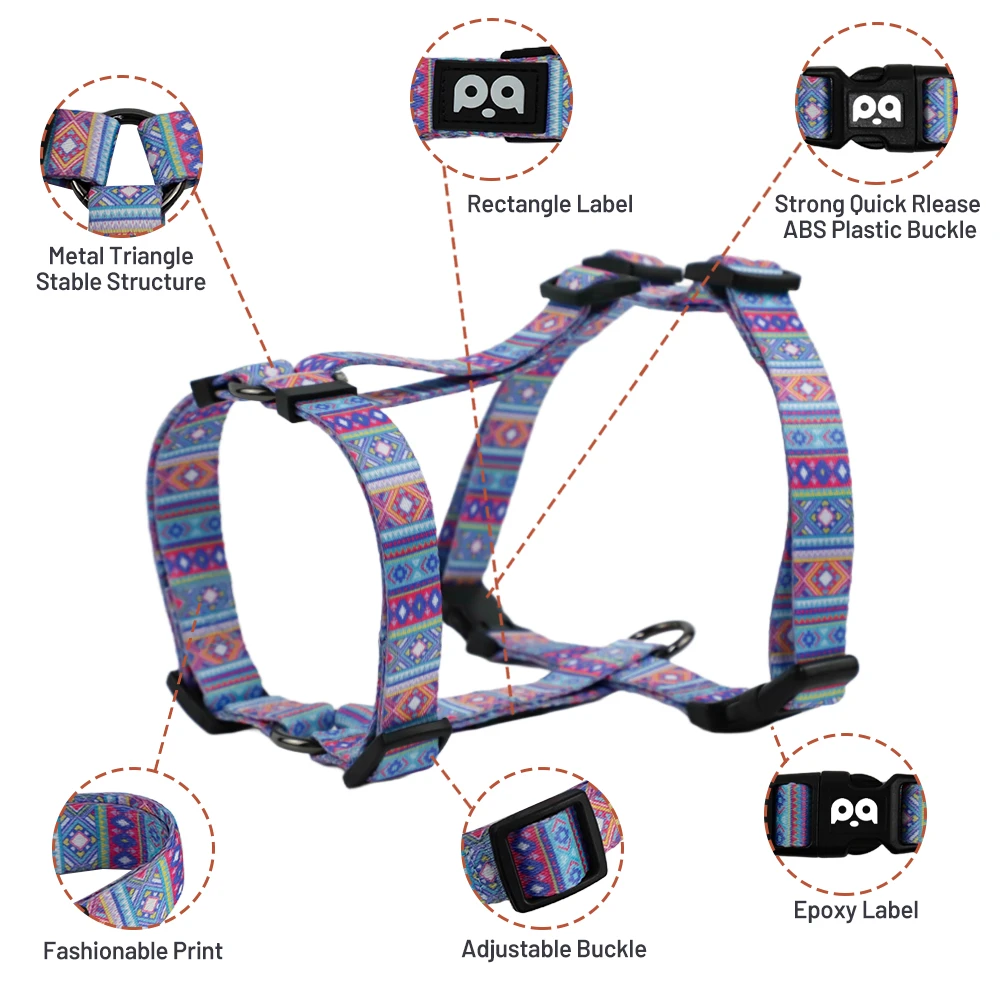
This step is designed to completely eliminate your risk and build your confidence. A digital mockup is great for visual design, but a physical sample is for verifying the feel of your brand. You need to be able to test the buckle, feel the weight of the webbing, and see the vibrant colors of your custom pattern with your own eyes. This is a non-negotiable part of a professional private labeling process. Any manufacturer that is hesitant to provide a high-quality sample quickly is a major red flag. We, on the other hand, are so confident in our production capabilities that we have made rapid sampling a cornerstone of our service.
Step 3: Verify with a Rapid, Low-Risk Sample
This is where the "Sample in 3 Days" promise becomes your ultimate tool for quality assurance.
- Production-Grade, Not a Prototype: The sample you receive is not a rough approximation. It is made on the same machines, with the exact same materials, and by the same technicians that will handle your bulk order8. It is a perfect representation of the final product.
- The Power of a Low MOQ: After you approve your perfect sample, you can launch your brand with an incredibly low minimum order quantity (MOQ) of just 50 pieces per design/size. This "lightweight customization" model is revolutionary for small businesses. You don't need thousands of pounds for inventory. You can test your new American-style collar design in the UK market with minimal financial risk9. If it's a hit, you can easily reorder. If you want to try another design, you can do that too, without being stuck with mountains of old stock.
How is your brand's quality protected during mass production?
You've approved the sample and your first customers love it. Now you're ready to scale up and place a larger order. How do you ensure that the 500th collar has the same perfect quality as the first sample you approved?
Your brand's quality is protected by our rigid ISO 9001 certified manufacturing process. The exact specifications of your approved sample are locked in as the "gold standard" for your production run, and our independent quality control team ensures every collar meets that standard.
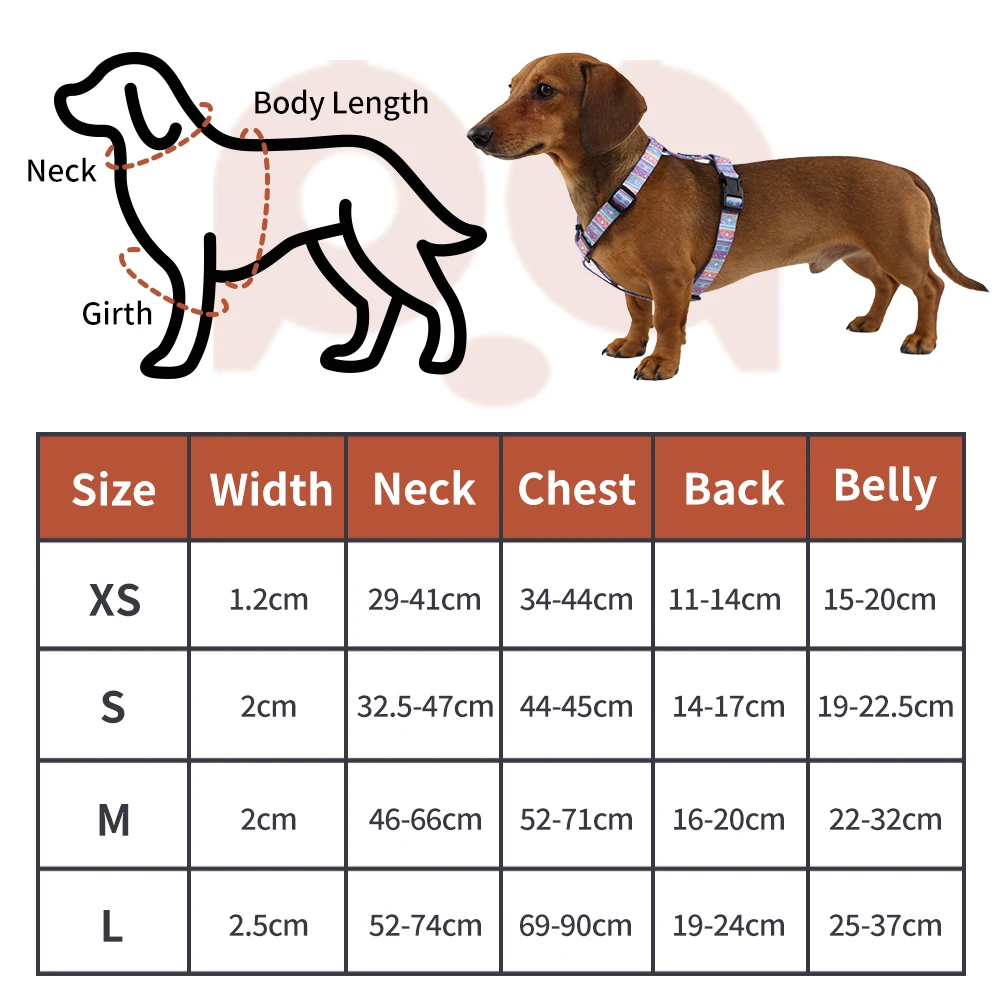
This is the final, crucial step in the private labeling journey: consistent, reliable production. This is what separates a professional brand from a hobby. As a factory, our reputation is built on this consistency. Our ISO 9001 certification means we have documented, auditable processes10 for everything, from checking the tensile strength of the webbing to the color consistency of the printing. We assign a dedicated, English-speaking account manager to your brand. They act as your representative inside the factory, ensuring your standards are met and providing you with updates.
Step 4: The Factory-Direct Production & Branding Process
Your approved sample is now the benchmark for our production line.
- Specification Lock-in: All variables are recorded: the exact webbing material, the certified buckle supplier, the dye-sublimation heat and time settings, and the specific thread for the stitching. There is no guesswork.
- Multi-Stage QC: Our Quality Control team inspects your order at multiple points—during raw material intake, during printing, and during final assembly. They are looking for perfect conformity to your gold-standard sample.
- Building Your Brand: This reliable production allows you to focus on what you do best: building your brand in the UK. You can confidently market your custom American dog collars, knowing that every shipment will uphold the quality your customers expect.
Ready to start building your brand? The process is simple, and our team is here to guide you. Contact us today to take the first step.
Zaključek
To private label American dog collars for your UK store, you design it digitally, verify with a rapid sample, and launch with a low-risk production order from a dedicated factory partner.
"Private label", https://en.wikipedia.org/wiki/Private_label. A neutral retail or business reference should define private-label goods as products manufactured by one firm and sold under another retailer’s brand, supporting the article’s use of the term. Evidence role: definition; source type: encyclopedia. Supports: Private labeling involves selling products made by a manufacturer under the retailer’s own brand.. ↩
"The 2025 OECD definition of e‑commerce and guidelines ...", https://www.oecd.org/en/publications/2025/10/the-2025-oecd-definition-of-e-commerce-and-guidelines-for-interpretation_3e7e5a61.html. Evidence from e-commerce or small-business research can contextualize how digital commerce, outsourced manufacturing, and online design tools have lowered entry barriers for small retailers; it would not independently verify the company’s own factory-direct model. Evidence role: general_support; source type: research. Supports: Modern digital commerce and outsourced production have made private-label product launches more accessible to small online sellers.. Scope note: Contextual support only; external sources can support the broader market trend, not this supplier’s specific accessibility claim. ↩
"CAD: Do Computers Aid the Design Process After All?", https://ojs.stanford.edu/ojs/index.php/intersect/article/download/117/33/0. Research on no-code, computer-aided design, or generative design tools can support the narrower claim that digital interfaces reduce the technical expertise needed to create product concepts, though they do not remove all manufacturing knowledge requirements. Evidence role: general_support; source type: paper. Supports: Digital design tools can reduce the need for formal design or manufacturing expertise when creating product concepts.. Scope note: The evidence would support reduced technical barriers, not prove that no design or manufacturing knowledge is ever needed. ↩
"Why is Computer-Aided Design (CAD) Important to ...", https://www.goodwin.edu/enews/why-is-computer-aided-design-cad-important/. Studies of 3D product visualization and computer-aided design can show that realistic digital models help users evaluate appearance and communicate product specifications before production. Evidence role: mechanism; source type: paper. Supports: Photorealistic 3D models can help customers evaluate and communicate product designs before manufacturing.. Scope note: Such evidence supports the value of 3D visualization generally, not the accuracy of this particular mockup system. ↩
"Amazon.com : 2-Inch Wide Tactical Dog Collar with Control Handle ...", https://www.amazon.com/Tactical-Adjustable-Military-Heavy-Duty-Customizable/dp/B07VLHLPGK. A neutral reference on dog-collar types or working-dog equipment can document that tactical or heavy-duty dog collars are commonly characterized by wider webbing, robust buckles, and control handles. Evidence role: definition; source type: education. Supports: Rugged, wide collars with tactical buckles are a recognized style of heavy-duty or tactical dog collar.. Scope note: The source may define tactical or heavy-duty collar features rather than prove that these features are universally understood as “American style.” ↩
"A Review on Generative AI for Text-to-Image and ...", https://arxiv.org/html/2502.21151v2. Academic or institutional sources on generative artificial intelligence can explain that text-to-image and generative models can produce novel visual patterns from prompts, supporting the mechanism behind AI-assisted pattern creation. Evidence role: mechanism; source type: paper. Supports: Generative AI systems can create visual pattern options from text prompts.. Scope note: This would support the general capability of generative AI, not the uniqueness or legal protectability of any generated collar pattern. ↩
"What is the difference between 3D product visualization and ...", https://twikit.com/what-is-the-difference-between-3d-product-visualization-and-3d-product-configuration/. Research on digital product visualization and mass customization can support that interactive previews can reduce discrepancies between expected and configured products, though it cannot guarantee perfect equivalence in every manufacturing case. Evidence role: general_support; source type: paper. Supports: Interactive digital previews can reduce miscommunication and expectation gaps in customized product design.. Scope note: Supports reduced expectation gaps generally, not an absolute guarantee for all orders. ↩
"Understanding First Article Inspection in Manufacturing - Verisurf", https://www.verisurf.com/blog/article/first-article-inspection/. Manufacturing quality references on first-article inspection or production-representative samples can show that samples made under normal production conditions are used to validate whether the production process can meet specifications. Evidence role: mechanism; source type: institution. Supports: Production-representative samples are used to validate that a manufacturing process can reproduce the approved specification.. Scope note: The evidence supports the rationale for production-representative samples, not the factual accuracy of this supplier’s internal process. ↩
"Innovations in Inventory Management to Improve the ... - PMC", https://pmc.ncbi.nlm.nih.gov/articles/PMC12754351/. Lean startup and small-business research can support the principle that small-batch market testing reduces upfront inventory exposure and allows demand validation before scaling production. Evidence role: general_support; source type: research. Supports: Small initial production runs can help businesses test market demand while limiting inventory risk.. Scope note: The source would support the general risk-reduction principle, not quantify the financial risk for this specific MOQ or product. ↩
"ISO 9000 family - Wikipedia", https://en.wikipedia.org/wiki/ISO_9000_family. The ISO 9001 standard and ISO explanatory materials state that certified quality management systems require documented processes, monitoring, internal auditing, and continual improvement, supporting the article’s explanation of what ISO 9001 signifies. Evidence role: definition; source type: institution. Supports: ISO 9001 certification indicates a quality management system with documented and auditable processes.. Scope note: This supports the meaning of ISO 9001 certification, not whether this particular factory is currently certified. ↩