 DE
DE  EN
EN  FR
FR  RU
RU  AR
AR  ES
ES  PT
PT  IT
IT  NL
NL  PL
PL  SL
SL  ET
ET  RO
RO  CS
CS  EL
EL  LV
LV 
You source your pet supplies dog harness from a supplier, but do you really know their origin? This lack of transparency1 means you're trusting your brand's reputation to a complete unknown, risking quality issues and supply chain failures without any control.
Knowing who makes your dog harness means bypassing middlemen2 and partnering directly with the factory. This direct relationship gives you control over quality through verifiable certifications3, full creative freedom over your designs, and a more agile, cost-effective business model4.
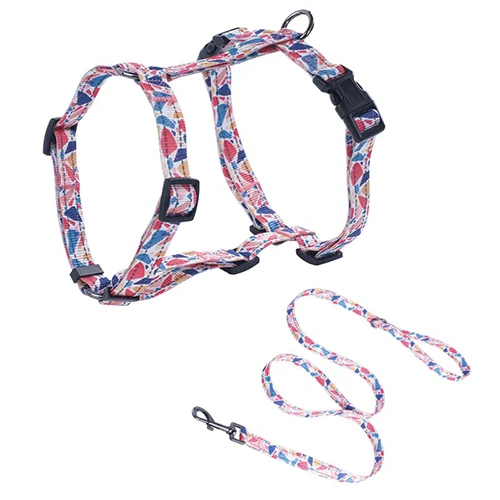
As a brand owner, you've likely spent countless hours sourcing your products. You find a supplier, maybe through a large B2B platform or a trade show, and you place an order for your pet supplies dog harness. The products arrive, and they look good enough. But a critical question often goes unasked: who actually made this? Was it the company you're speaking with, or are they simply a trading company—a middleman who buys from an anonymous factory and sells to you at a markup? For most brands, the answer is a mystery.
This "black box" in your supply chain is a significant business risk. You have no direct line to the people responsible for production. You can't verify their quality control systems, their material sourcing, or their ethical standards. You are putting your brand's future in the hands of a stranger. The most successful brands in the pet space understand this danger. They eliminate it by forging direct partnerships with the actual manufacturers. This guide will illuminate the difference and show you why knowing your maker is the most important decision you'll ever make.
Is Your Supplier a Sales Office or a Certified Factory?
You receive assurances of "high quality" from your supplier's salesperson. But when a customer complains about a faulty buckle or a frayed strap, your supplier is slow to respond, and you have no real power to fix the root cause, leaving your brand vulnerable.
This is the critical difference between a reseller and a maker. A true factory partner doesn't just promise quality; they prove it with internationally recognized certifications like ISO 90015. They own the production line, so they can guarantee the standards.
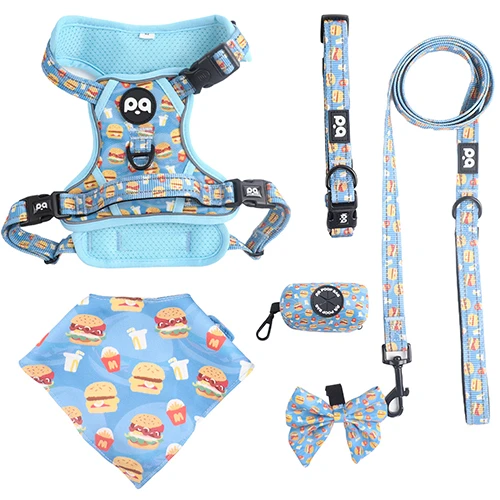
When you buy from a trading company or a general wholesaler, you are not buying from the source. They are a sales and logistics office6. They do not own the machines, manage the workers, or control the raw materials. Their "quality control" often consists of a basic final inspection, if that. They cannot give you a tour of the production line or show you their quality management system documentation7, because it isn't theirs. If a quality issue arises, they become a go-between, relaying messages back and forth to a factory you've never heard of. This process is slow, inefficient, and often leads to unsatisfactory results. Your brand is left to deal with the customer backlash.
The Transparency Transformation: From a Risky Middleman to a Verified Partner
Working directly with a certified factory changes the entire dynamic from one of risk to one of assurance.
| Aspect | The Trading Company (Middleman) | The Direct Factory Partner (Us) |
|---|---|---|
| Qualitätskontrolle | A verbal promise. They don't control production. | An integrated system. We own the process from start to finish. |
| Certifications | None of their own; may pass along factory claims. | Verifiable ISO 9001 Certification for our entire operation. |
| Problem Resolution | Slow. They are a messenger to the real factory. | Fast. Our expert team solves problems at the source. |
| Transparency | A "black box." You don't know the factory's name. | Total transparency. You know exactly who you are working with. |
-
Tertiary Heading: The Unverifiable Promise of a Trading Company A trading company's business model is based on arbitrage—buying low from one party and selling higher to another. Their primary skill is not manufacturing excellence; it is sales and sourcing. While many are reputable, they fundamentally cannot offer you a guarantee of quality because they are not in control of it. Any promise they make is a second-hand promise. This introduces a layer of risk that a growing brand cannot afford. You are essentially hoping that your middleman chose a good, reliable factory. Hope is not a sound business strategy.
-
Tertiary Heading: The Ironclad Guarantee of an ISO 9001 Certified Factory We are not a trading company. We are the factory. We operate three dedicated production lines, and our entire operation is ISO 90015 certified. This isn't just a badge we display; it is an independently audited and verified system that governs everything we do. It dictates our raw material inspection protocols, our worker training programs, our machine maintenance schedules, and our multi-stage quality checks. This certification is your objective, third-party proof that you are partnering with a world-class manufacturing organization that takes quality as seriously as you do. When you partner with us, there is no mystery.
Does Your Supplier Offer a Catalog or a Creative Platform?
You want to create a truly unique dog harness with a signature pattern. However, your supplier shows you a catalog of their standard products and informs you that "customization" only means adding your logo to their existing generic designs. Your brand's vision is being compromised.
This is the creative dead-end8 of working with a supplier who is not the manufacturer. A true factory partner, one that specializes in customization, provides you with a technology platform to bring your unique vision to life, from custom patterns to instant 3D mockups.
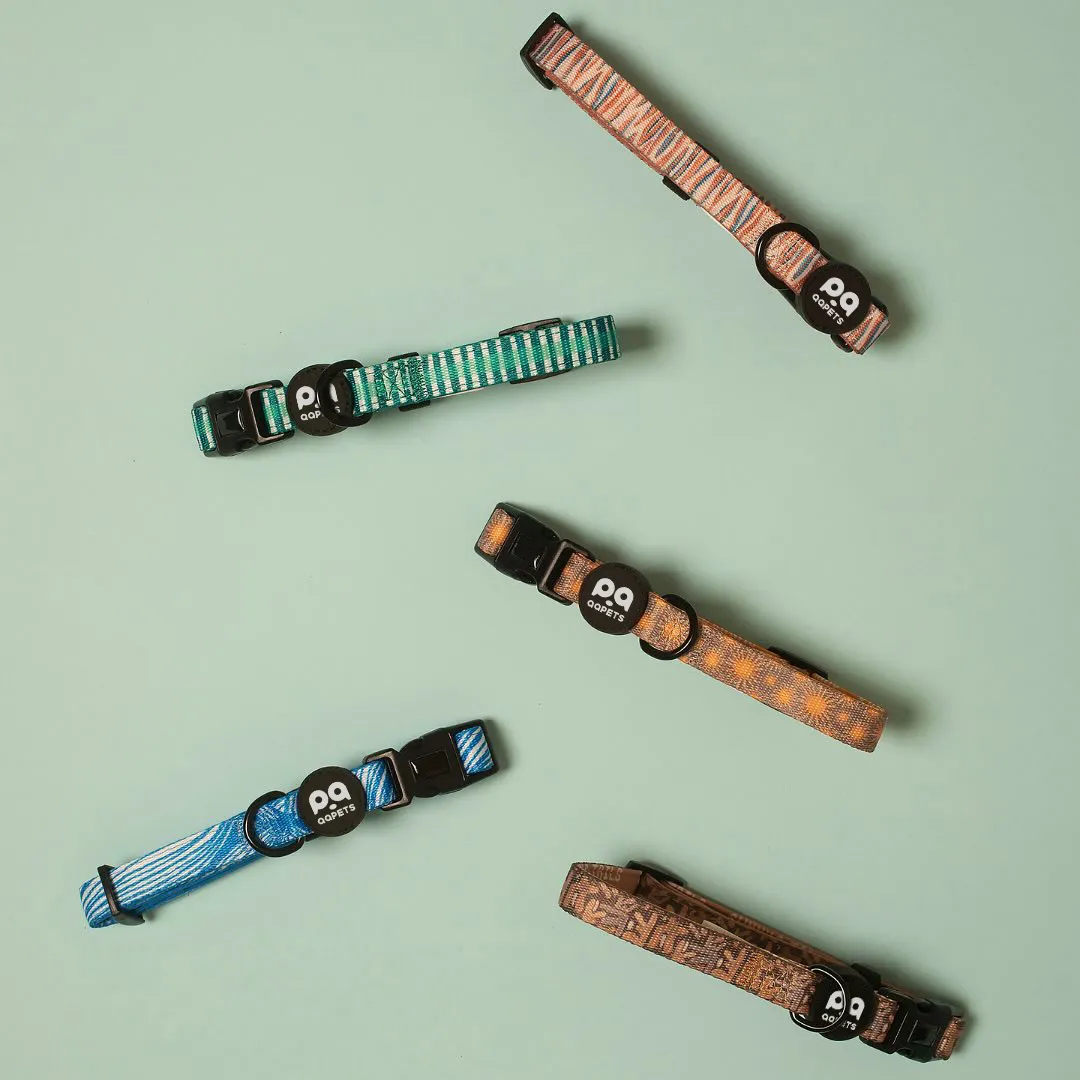
A trading company typically works with factories that specialize in mass-producing generic goods. These factories are optimized for volume and low costs, not for creative flexibility. Therefore, the trading company's "catalog" is just a collection of these generic items. They lack the process, technology, and expertise to handle deep customization like unique pattern printing. When you ask for a custom pattern, they are often unable to deliver, or the process becomes incredibly slow and expensive as they try to coordinate with a factory that isn't set up for it. This forces you to compromise and accept a "me-too" product that fails to differentiate your brand in a crowded market.
The Creative Transformation: From a Static Catalog to a Dynamic Design Studio
We have built our factory around the principle of "lightweight customization9," empowering you with tools that make unique design fast and easy.
-
Tertiary Heading: The Power of Infinite Patterns We believe that for a modern brand, every new pattern is a new product. Differentiation is built on visuals. That's why we don't limit you to a small selection of solid colors. We offer two powerful options for your Benutzerdefinierte Patterns: you can either provide your own unique artwork to create a truly proprietary design, or you can choose from our library of over 1,000 professionally designed, royalty-free patterns. This gives you an inexhaustible source of newness to keep your brand fresh and exciting.
-
Tertiary Heading: "Mockup in Seconds" with Our 3D Design System The greatest challenge of custom design has always been visualization. We solved this with technology. Our free, revolutionary online [3D design system](https://www.autodesk.com/products/fusion-360/blog/3d-modeling-software-design-process-benefits/)10 is your personal design studio. You can upload your logo, apply your custom pattern, and see a photorealistic 3D model of your dog harness in real-time. You can rotate it, inspect it from every angle, and make adjustments until it's perfect. This eliminates the slow, frustrating back-and-forth of 2D mockups and gives you complete creative control.
Is Your Supplier's Business Model Helping You Grow or Holding You Back?
You have many great ideas for new dog harness designs, but you can't act on them. Your supplier demands a Minimum Order Quantity (MOQ)11 of 1,000 units and takes over a month to produce a single sample. Your cash is tied up, and your speed to market is zero.
This outdated model is designed for the convenience of the supplier, not the growth of your brand. A modern factory partner aligns their success with yours, offering low MOQs for agile testing and a rapid sampling process12 that turns ideas into reality in days.
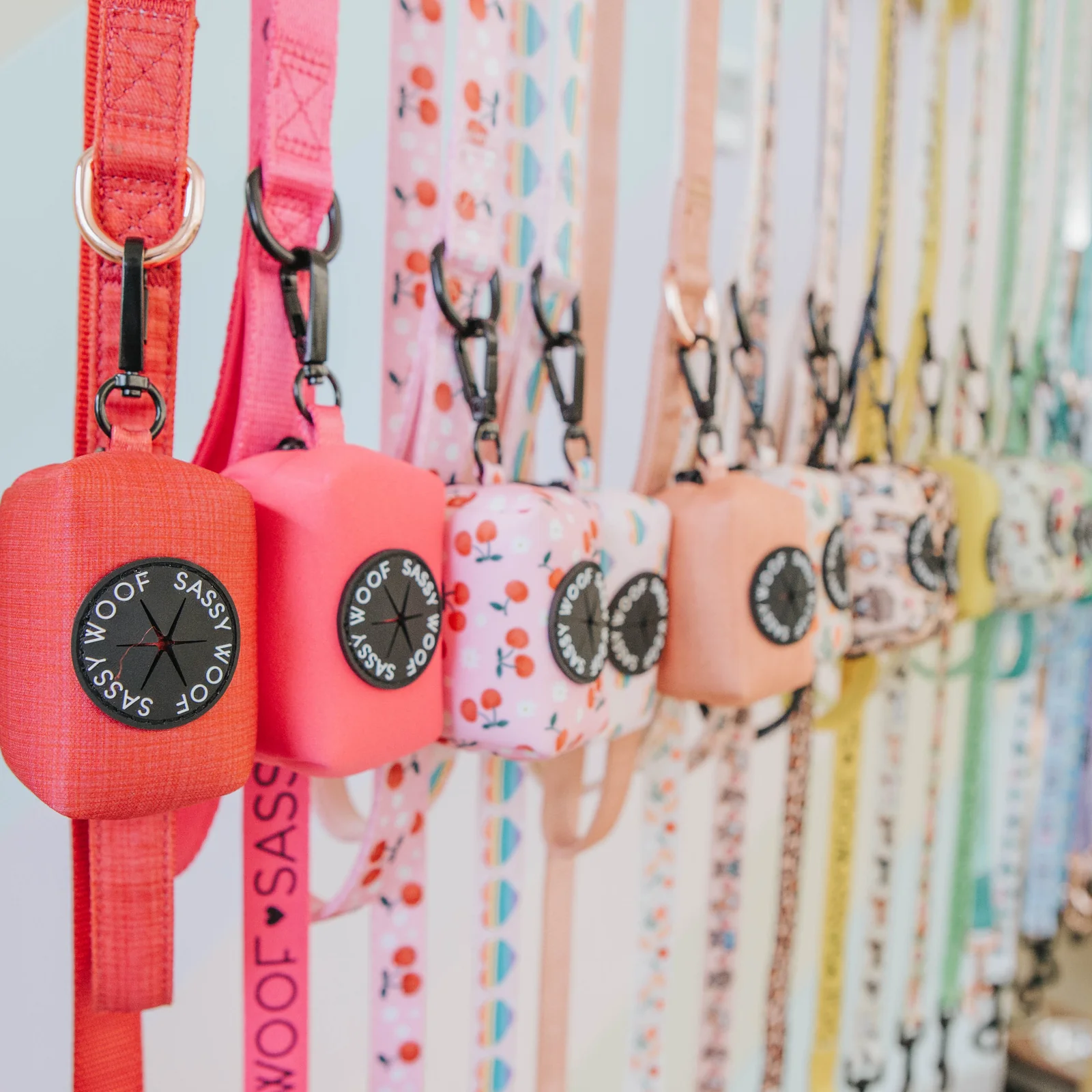
For an online seller or boutique owner, cash flow and agility13 are lifeblood. The traditional high-MOQ model14 is a direct threat to both. It forces you to make a huge financial gamble on a single design based on a hunch. If that hunch is wrong, you're stuck with a mountain of dead stock and a significant financial loss. This fear paralyzes brands, preventing them from experimenting with seasonal collections, reacting to trends, or building out a diverse product catalog. A trading company, whose profit comes from the margin on a large order, has no incentive to offer you the flexibility you need. They need you to order big.
The Business Model Transformation: From a Risky Gamble to an Agile Growth Engine
Our entire factory is structured to be a launchpad for brands like yours. We succeed when you grow.
| Geschäftsmodell | The Traditional Supplier/Trader | Our Direct Factory Partner Model |
|---|---|---|
| Primary Goal | To sell you a large volume of goods. | To empower your long-term brand growth. |
| Minimum Order (MOQ) | High (500-1,000+ units), high financial risk. | Low (50 units per size/design), minimal risk. |
| Sampling Speed | Slow (weeks or months). | "Sample in 3 Days15." Ultra-fast. |
| Your Strategy | Place one large, risky bet. | Test many ideas and scale the winners. |
-
Tertiary Heading: The Strategic Advantage of a 50-Piece MOQ Our "lightweight customization9" model, with its industry-leading 50-piece MOQ16 per size/design, is a strategic weapon. It fundamentally changes how you manage inventory. Instead of launching one design, you can launch ten. You can test different patterns, colors, and even harness styles in small batches. You use real-world sales data, not guesswork, to determine which products are your bestsellers. Then, you can confidently reinvest in larger production runs of those proven winners. This is how you build a resilient, profitable brand17.
-
Tertiary Heading: The Speed of "Sample in 3 Days" Combining our 3D design tool with our rapid prototyping capability allows for unprecedented speed. Once you finalize your perfect design in the mockup system, our dedicated sample team creates a physical, production-quality dog harness in just three business days. This compresses your product development cycle from months into less than a week. You can get a tangible product in your hands, approve it, and move to bulk production faster than your competitors can get a 2D mockup revised. Ready to experience this new way of manufacturing? Contact our expert team to start your project today.
Schlussfolgerung
Knowing who makes your dog harness is not a trivial detail; it is the foundation of a strong brand. Partnering directly with a certified, agile factory gives you control, confidence, and a decisive competitive advantage.
---Understanding transparency in supply chains helps ensure quality and ethical standards, protecting your brand's reputation. ↩
Bypassing middlemen can reduce costs and improve quality control, giving you direct access to the production process. ↩
Verifiable certifications ensure that manufacturers meet international quality standards, providing assurance of product quality. ↩
An agile business model allows manufacturers to quickly adapt to changes, reducing costs and improving efficiency. ↩
ISO 9001 certification is a standard for quality management systems, ensuring consistent product quality and customer satisfaction. ↩
Sales and logistics offices manage the distribution and sales of products, but may not control production quality. ↩
Quality management documentation provides evidence of a manufacturer's commitment to maintaining high standards. ↩
A creative dead-end occurs when suppliers limit customization options, hindering brand differentiation. ↩
Lightweight customization allows brands to easily create unique products, enhancing brand identity and market appeal. ↩
A 3D design system enables quick visualization and adjustments, speeding up the design process and improving accuracy. ↩
MOQ affects cash flow and inventory management, impacting a brand's ability to test and scale new products. ↩
Rapid sampling allows brands to quickly test product designs, reducing time to market and improving responsiveness. ↩
Strong cash flow and agility enable brands to quickly adapt to market changes, fostering growth and innovation. ↩
High-MOQ models can tie up cash and limit flexibility, making it difficult for brands to test new ideas. ↩
This process accelerates product development, allowing brands to quickly move from design to production. ↩
A 50-piece MOQ reduces financial risk and allows brands to test multiple designs, improving inventory management. ↩
Building a resilient, profitable brand involves strategic inventory management and responsive product development. ↩