 Zum Inhalt springen
 DE
DE  EN
EN  FR
FR  RU
RU  AR
AR  ES
ES  PT
PT  IT
IT  NL
NL  PL
PL  SL
SL  ET
ET  RO
RO  CS
CS  EL
EL  LV
LV 
You sell a pet supplies dog harness that you believe is safe. But you're relying on a supplier's empty promises, with no proof of material strength or ergonomic design. A single faulty buckle or poorly placed strap could lead to a pet's injury and destroy your brand's reputation overnight.
A truly safe and ergonomic dog harness is the result of deliberate engineering, not chance. It requires certified materials1, stress-tested hardware2, and designs that respect a dog's anatomy. Partnering with a factory that controls and verifies these elements is the only way to guarantee safety.
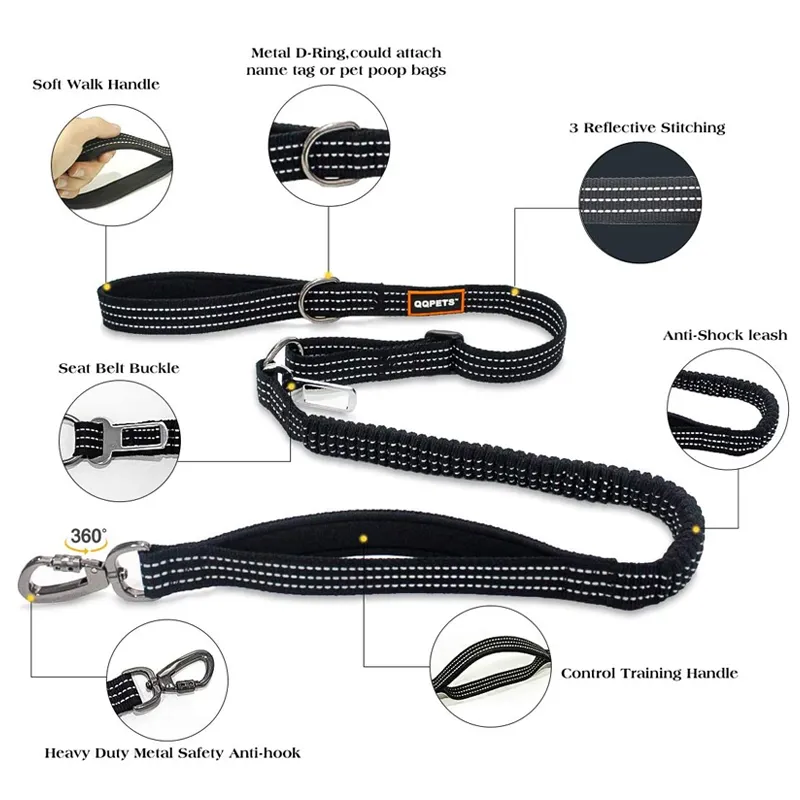
As a brand owner in the pet industry, you know that "safe" is the most important promise you can make to your customers. They trust you with the well-being of a beloved family member. When you sell a pet supplies dog harness, you are selling a piece of safety equipment. But how can you be sure that the harness you're selling lives up to that promise? Many brands source their products from trading companies or anonymous factories, accepting "good quality" as a verbal guarantee. This is a dangerous gamble. Without insight into the manufacturing process, you have no idea if the webbing has been strength-tested, if the buckles can withstand a sudden pull, or if the design itself is comfortable and non-restrictive for the dog.
This lack of knowledge is a ticking time bomb. The difference between a safe product and a dangerous one lies in details that are invisible to the untrained eye. True safety and ergonomics are not marketing buzzwords; they are the direct result of a conscious, controlled, and verifiable manufacturing process3. Working directly with a factory that obsesses over these details isn't just a better business decision; it's the only ethical choice for a brand that puts pets first. This guide will show you what to look for.
Can Your Harness Withstand a Sudden, Powerful Lunge?
You assume the materials in your harness are strong. But one day, a customer's dog lunges after a squirrel, the webbing tears or a D-ring snaps, and the dog runs into traffic. Your brand is now facing a lawsuit and a public relations nightmare.
This catastrophic failure happens when brands unknowingly use untested, low-grade materials. True safety comes from partnering with a factory that performs and certifies break-strength testing4 on all load-bearing components, ensuring they can handle real-world forces.

The strength of a dog harness is only as strong as its weakest link. This could be the polyester or nylon webbing, the stitching that holds it together, or the metal D-ring where the leash attaches. A trading company supplier might assure you that the materials are "strong," but this is a meaningless statement without data to back it up. They likely source the cheapest components available to maximize their margin, with no rigorous testing protocol in place. For a brand owner, this is a terrifying liability. You are selling a product designed to restrain a powerful animal, and you have no objective proof that it is capable of doing its job under pressure. This is not a risk worth taking.
The Safety Transformation: From a Dangerous Guess to Verifiable Strength
As a direct factory partner, we replace guesswork with engineering and data. We build safety into every component.
| Component Safety | The Risky Wholesaler/Trader | The Certified Factory Partner (Us) |
|---|---|---|
| Webbing Material | Unspecified origin, no strength data. | High-density polyester with certified tensile strength. |
| Stitching | Standard single stitching, prone to failure. | Reinforced box stitching at all stress points. |
| Hardware (D-Rings) | Cheap, plated metal alloy, prone to breaking. | Welded, solid metal D-rings, stress-tested for load-bearing. |
| Verification | A salesperson's verbal promise. | Internal quality control reports and material certifications. |
-
Tertiary Heading: The Invisible Failure Points The most common points of failure are often hidden in plain sight. A manufacturer looking to cut costs might use a lower-density webbing that feels okay to the touch but lacks the tensile strength5 to handle the dynamic force6 of a running dog. They may use simple, single-line stitching at critical stress points like the D-ring attachment, which can easily unravel under repeated strain. The D-ring itself might be a cheap, non-welded piece of metal that can be bent open by a strong puller. These are the details that a middleman either doesn't know or doesn't care about, but they are everything when it comes to a pet's safety.
-
Tertiary Heading: Engineering for Peace of Mind We are not just assemblers; we are engineers of pet safety equipment. Our process begins with sourcing superior raw materials. Our high-density webbing is chosen specifically for its proven strength and durability. Every critical connection point on our harnesses is secured with reinforced box stitching7—a pattern designed to distribute force and resist tearing. We use solid, welded metal D-rings that cannot be pulled apart. As a factory with ISO 9001 certification8, these are not just features we add; they are part of a documented, auditable system of quality that ensures every harness leaving our facility meets a verifiable standard of safety.
Is Your Harness Design Helping or Hurting Dogs?
You offer a single, popular style of pet supplies dog harness. But you get feedback that it chafes some dogs, restricts shoulder movement on others, and simply doesn't fit certain breeds well, leading to discomfort and potential long-term joint issues.
A "one-style-fits-all" approach ignores the vast diversity of dog shapes and sizes. A truly ergonomic harness9 requires offering different designs, like a Y-harness vs. an H-harness, to ensure a safe, comfortable, and non-restrictive fit for every type of dog.

Ergonomics is the science of designing for comfort, efficiency, and safety. In dog harnesses, this means creating a product that works with the dog's natural anatomy, not against it. A poorly designed harness can restrict a dog's gait, particularly in the shoulders, which can lead to unnatural movement patterns and potential long-term orthopedic problems10. It can also cause painful chafing under the legs or put pressure on the sensitive throat area. A supplier that only offers one generic harness style is not an ergonomics expert; they are a volume seller. A brand that truly cares about canine well-being must offer designs that cater to the different physical needs of broad-chested breeds, long-bodied breeds, and everything in between.
The Ergonomic Transformation: From a Single Generic Shape to a Full Range of Solutions
As a specialized factory, we have the expertise and manufacturing flexibility to produce a variety of ergonomically sound harness styles, allowing you to build a brand that truly serves all dogs.
-
Tertiary Heading: Understanding Different Harness Styles Not all harnesses are created equal. The two most common and effective styles are the H-Harness and the Y-Harness. An H-harness, shaped like the letter 'H' when laid flat, is excellent for general use and fits a wide variety of body types. A Y-harness features a strap that forms a 'Y' shape over the dog's chest, which is often recommended because it sits clear of the shoulder joints, allowing for a completely unrestricted range of motion. Offering both styles allows you to provide a perfect solution for more customers, from the daily walker to the canine athlete.
-
Tertiary Heading: From Concept to Collection, Instantly Thinking of adding a new ergonomic style to your lineup? With a traditional supplier, this would be a long, difficult process. With us, it's simple. You can use our online [3D design system](https://www.autodesk.com/products/fusion-360/blog/3d-modeling-software-design-process-benefits/)11 to visualize your unique Benutzerdefinierte Patterns on different harness styles. See how your branding looks on an H-harness versus a Y-harness in seconds. This is the power of "Mockup in seconds." It empowers you to build out a complete, thoughtful, and ergonomic product line with zero risk and incredible speed. And with our low 50-piece MOQ, you can test these new styles without a massive financial commitment.
Can Your Customers Trust Your "Safety" Features in the Dark?
Your harness is marketed with "safety features" like reflective trim and a quick-release buckle. But the reflective material is barely visible, and the plastic buckle feels flimsy. You hope it works, but you have no real assurance.
"Safety features" without quality testing are just cosmetic additions. True safety means using genuinely high-visibility reflective material and sourcing robust, reliable buckles from reputable suppliers, all verified by a factory that controls its own supply chain.
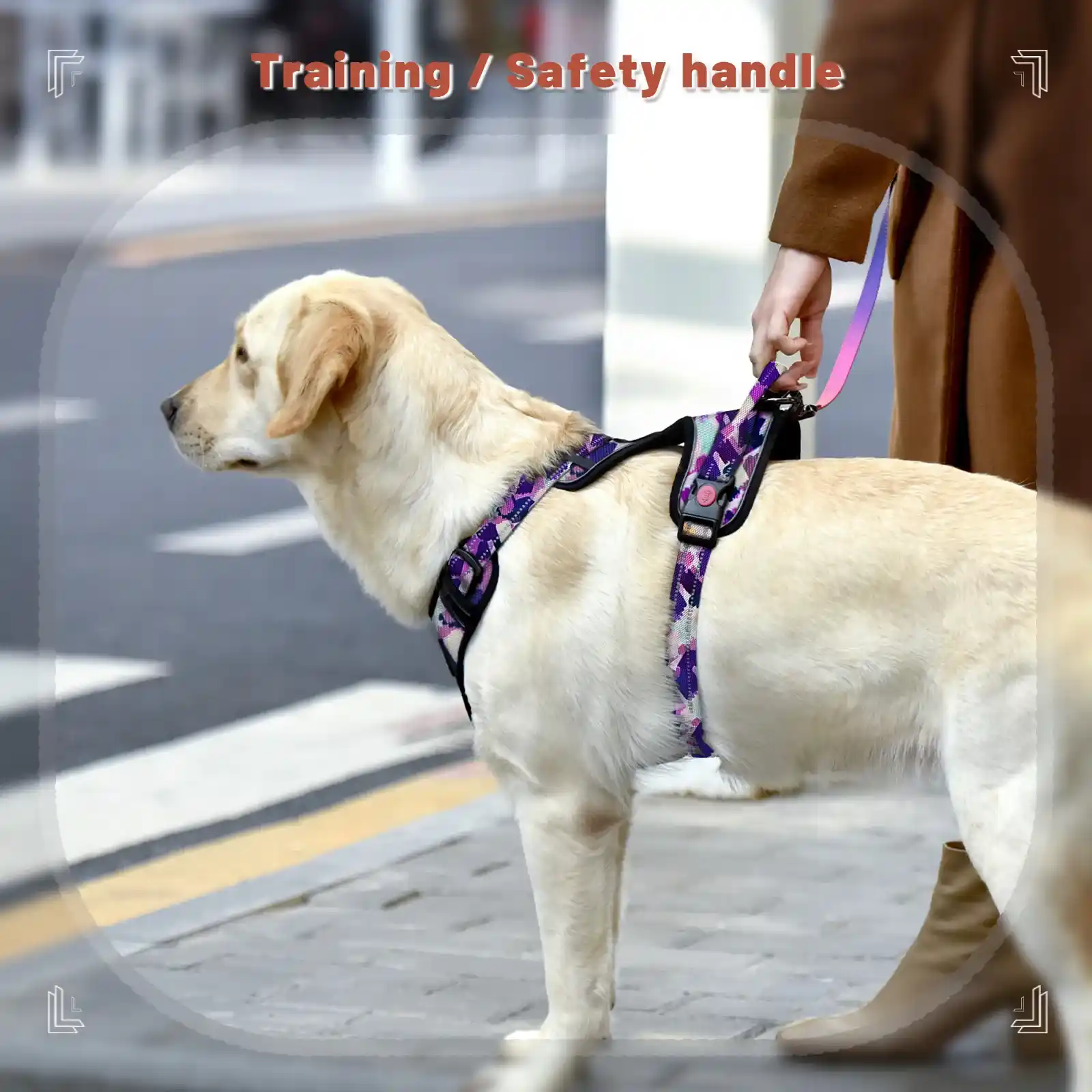
For many dog owners, features like reflective stitching12 and a sturdy buckle are non-negotiable. They are buying the harness specifically for these promises of safety during night walks or for the ability to quickly release their dog in an emergency. When a brand sources from a middleman, they are often unknowingly buying products with "phantom" features. The "reflective" thread is a low-grade material with minimal retroreflectivity13, offering a false sense of security in low-light conditions. The "safety" buckle is made from cheap, brittle recycled plastic that could shatter on a cold day or break under pressure. The brand selling this product is making a promise that the product itself cannot keep.
The Feature-Quality Transformation: From Cosmetic Tricks to Functional Guarantees
As the direct manufacturer, we control the sourcing of every single component that goes into your harness.
| Safety Feature | The Unreliable Trader Version | The Factory-Guaranteed Version (Us) |
|---|---|---|
| Reflective Material | Cheap, low-grade thread with poor visibility. | 3M™ Scotchlite™14 or equivalent high-visibility material. |
| Buckles | Brittle, untested recycled plastic. | Branded, durable POM (polyoxymethylene) buckles15. |
| Einstellungsrutschen | Flimsy plastic that slips over time. | Secure, non-slip slides16 that hold their position. |
| Qualitätssicherung | None. They trust their anonymous supplier. | We control and verify the source of all components. |
-
Tertiary Heading: The Critical Detail of Component Sourcing The difference in quality is staggering. We don't just buy generic buckles and thread from an open market. We have established relationships with reputable component manufacturers. We specifically source durable POM plastic for our buckles, a material known for its strength, stiffness, and stability across a wide range of temperatures. For reflective features, we insist on materials like genuine 3M™ Scotchlite™ that meet specific standards for retroreflectivity13, ensuring they perform as expected in car headlights. A trading company doesn't have this level of supply chain control.
-
Tertiary Heading: Build a Trustworthy Product, Faster Our commitment to quality components, combined with our agile production model17, gives you a powerful advantage. You can design a harness with guaranteed safety features, visualize it instantly, and get a production-quality physical sample in your hands in just three business days. This is our "Sample in 3 Days" promise. It means you can go to market with a product you can be proud of, a product that lives up to its safety promises, faster than any of your competitors. Ready to build a brand built on trust? Contact our expert team to get started.
Schlussfolgerung
A truly safe and ergonomic pet supplies dog harness is a product of intention, control, and expertise. By partnering directly with a certified factory, you gain the power to deliver on that promise with every sale.
---Understanding certified materials ensures your dog harness is made from safe, reliable components, enhancing both safety and brand trust. ↩
Learn why stress-tested hardware is crucial for ensuring the durability and safety of dog harnesses, preventing potential failures. ↩
Discover how a verifiable manufacturing process guarantees the quality and safety of pet products, protecting your brand's reputation. ↩
Explore how break-strength testing ensures that dog harnesses can withstand real-world forces, preventing accidents and injuries. ↩
Understanding tensile strength helps ensure that dog harness materials can withstand pulling forces, preventing breakage. ↩
Learn how dog harnesses are designed to manage dynamic forces, ensuring safety during sudden movements. ↩
Learn about the importance of reinforced box stitching in enhancing the durability and safety of dog harnesses. ↩
Understand how ISO 9001 certification ensures quality management in pet product manufacturing, boosting consumer confidence. ↩
An ergonomic harness ensures comfort and safety by accommodating a dog's natural movements, preventing strain and injury. ↩
Explore how poorly designed harnesses can lead to orthopedic issues, emphasizing the need for ergonomic designs. ↩
Discover how a 3D design system allows for quick visualization and customization of pet products, enhancing design efficiency. ↩
Reflective stitching enhances visibility during night walks, ensuring safety for both pets and owners. ↩
Retroreflectivity ensures that reflective materials return light to its source, enhancing visibility and safety. ↩
Learn about the superior visibility and safety features of 3M™ Scotchlite™, a trusted reflective material for pet products. ↩
POM buckles offer strength and durability, ensuring reliable performance in various conditions, crucial for pet safety. ↩
Non-slip slides ensure that harness adjustments remain secure, providing consistent fit and safety for active dogs. ↩
An agile production model allows for quick adaptation and efficient production, meeting market demands swiftly. ↩
