
 FR
FR  EN
EN  RU
RU  DE
DE  AR
AR  ES
ES  PT
PT  IT
IT  NL
NL  PL
PL  SL
SL  ET
ET  RO
RO  CS
CS  EL
EL  LV
LV 
Have you ever stood in a pet store, overwhelmed by the plethora of dog harnesses on display? You’re not alone. As a custom dog harness expert with years of experience under my belt, I’ve seen the look of confusion on countless faces. Choosing the right dog harness isn’t just about the color or pattern; it’s about comfort, safety, and the happiness of your furry friend.
Now, let’s dive deep into the world of dog harnesses and discover how to find that perfect fit. And yes, we’re going to have a bit of fun along the way because, let’s face it, shopping for your pup should be a joy, not a chore.
Pourquoi choisir un harnais pour chien ?
Now, you might be thinking, “Why a harness, and not just a simple collar?” Well, harnesses offer better control, reduce the risk of neck injury, and can help with training. They’re especially great for pullers or small dogs with delicate throats. So, yes, choosing a harness over a collar is often a wise decision for your pup’s health and your peace of mind.
Comment mesurer la taille?
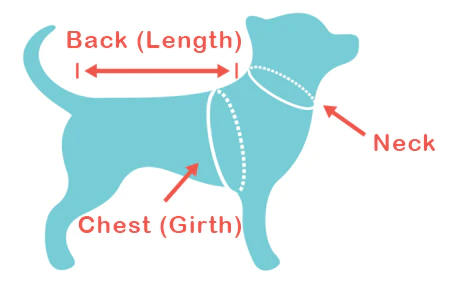
Let’s start with the basics, shall we? When shopping for a dog harness, the first thing you want to consider is the fit. A good harness should fit snugly but not too tight, allowing you to glisser deux doigts sous les sangles du cou et de la poitrine. It’s crucial to measure your dog’s chest and neck before heading to the store (or hitting that online shopping cart).
- Tour de cou : Measure around the base of your dog’s neck, where the collar would sit. This measurement is crucial for harnesses that slip over the head. Use a soft measuring tape and ensure it’s snug but not tight. You should be able to fit two fingers between the tape and your dog’s neck.
- Tour de poitrine : This is the most important measurement for a harness. Measure around the widest part of your dog’s chest, usually right behind the front legs. Again, ensure the tape is snug but not tight, allowing for two fingers’ space.
- Poids : Some harnesses are sized by weight, so knowing your dog’s current weight can be helpful, especially when ordering online.
- Longueur : Bien que cela ne soit pas toujours nécessaire, certains styles de harnais nécessitent une mesure de la longueur. Mesurez à partir de la base du cou (où se trouve le collier) jusqu'à la base de la queue.
Conseils :
- Utilisez un ruban à mesurer souple pour plus de précision.
- Si votre chien est entre deux tailles, choisissez la taille la plus grande pour l'ajuster.
- Consider your dog’s breed and any specific needs they might have. For example, dogs with broad chests like Bulldogs may require a different style of harness compared to slender breeds.
- It’s helpful to check the manufacturer’s sizing guide since sizing can vary between brands.
Quel est le meilleur matériau ?
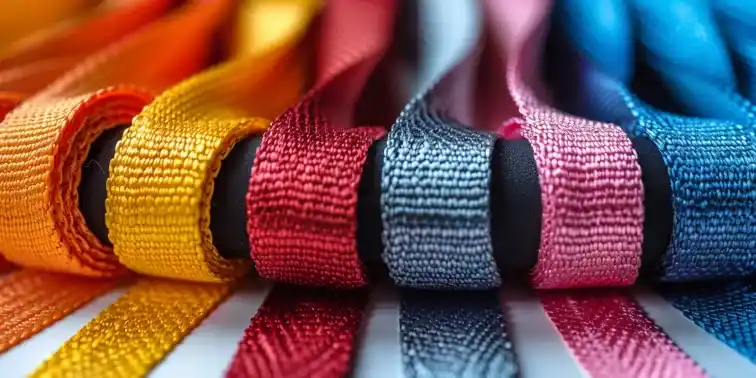
Now, onto the materials. You’ll find harnesses made from a variety of materials, including nylon, polyester, and leather. Le nylon et le polyester sont durables et faciles à nettoyer.Ils sont donc parfaits pour les chiens actifs ou ceux qui aiment se rouler dans la boue. Le cuir, quant à lui, offre une touche de classe et s'assouplit avec le temps, mais nécessite plus d'entretien.
Quel style choisir ?
Qu'en est-il du style ? Eh bien, il y a plusieurs choix possibles :
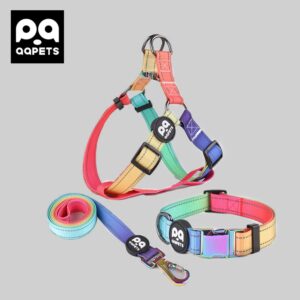
Le harnais pour chien Step-in est idéal pour les chiens nerveux.
Harnais pour chien à pinces avant
Le harnais pour chien à pinces avant est largement disponible et facile à installer.
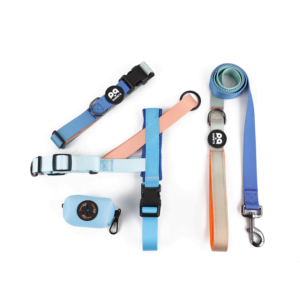
Harnais pour chien avec veste souple
Le harnais pour chien Soft Vest offre un confort et un soutien supplémentaires.
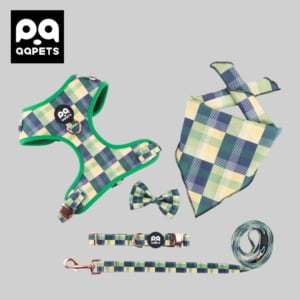
Your choice should depend on your dog’s size, temperament, and activity level.
But let’s not forget about safety and comfort. Look for a harness with reflective strips if you’re a night walker. And if your dog has a thick fur coat, consider a harness with breathable material to keep them cool.
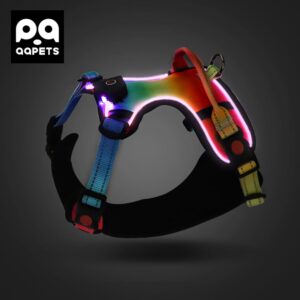
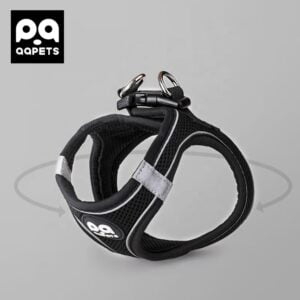
By now, you’re probably thinking, “All this information is great, but where do I start?” Here’s a tip: before making a purchase, read reviews, ask fellow dog owners, or even consult with your vet. They can provide valuable insights into what might work best for your dog’s specific needs.
Comment tester le harnais ?
So, you’ve found a harness that ticks all the boxes. It’s time for the ultimate test: trying it on your dog. This isn’t just about seeing if it fits; it’s about observing your dog’s reaction. A good harness should allow your dog to move freely, without any signs of discomfort or restriction.
Here’s a pro tip: once the harness is on, slip two fingers under any strap. If you can’t, it’s too tight. If you can slip more than two, it’s too loose. And watch for any signs of chafing or irritation after the first few uses. Remember, a happy dog is a happy owner.
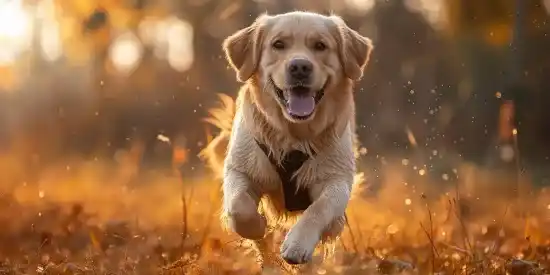
Remember, the best harness is one that suits both your and your dog’s lifestyle. Whether you’re an avid hiker or enjoy leisurely walks around the block, there’s a harness out there that’s perfect for you.
Choosing the right dog harness doesn’t have to be a daunting task. With a bit of knowledge and some careful consideration, you can find the perfect match for your furry friend. Happy harness hunting!
Now, let’s look at some visual inspiration to get you started on your quest for the perfect dog harness.
Si vous souhaitez créer votre propre entreprise de harnais pour chiens, vous pouvez trouver un service parfait à l'adresse suivante QQPETS! QQPETS est un fabricant de dos de poitrine de chien personnalisé, qui peut être personnalisé selon votre idée de logo de marque, de motif, ou tout ce que vous voulez personnaliser. QQPETS a 17 ans d'expérience et a servi plus de 20 000 clients dans le monde entier.