 RO
RO  EN
EN  FR
FR  RU
RU  DE
DE  AR
AR  ES
ES  PT
PT  IT
IT  NL
NL  PL
PL  SL
SL  ET
ET  CS
CS  EL
EL  LV
LV 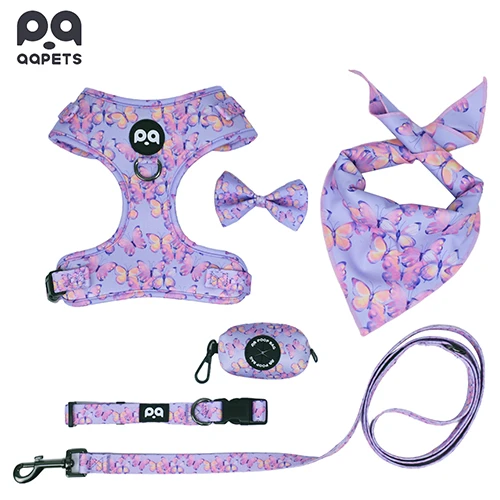
You want to create cozy critters custom dog collars, but you're worried the final product will feel rough and cheap. This fear that the materials won't match your brand's promise of comfort can be paralyzing.
The perfect cozy collar is built from three specific materials: a soft-touch polyester webbing base, a cushioned neoprene inner lining, and lightweight, non-irritating hardware. Controlling the quality and combination of these components is the secret to creating true comfort that is also safe and durable.
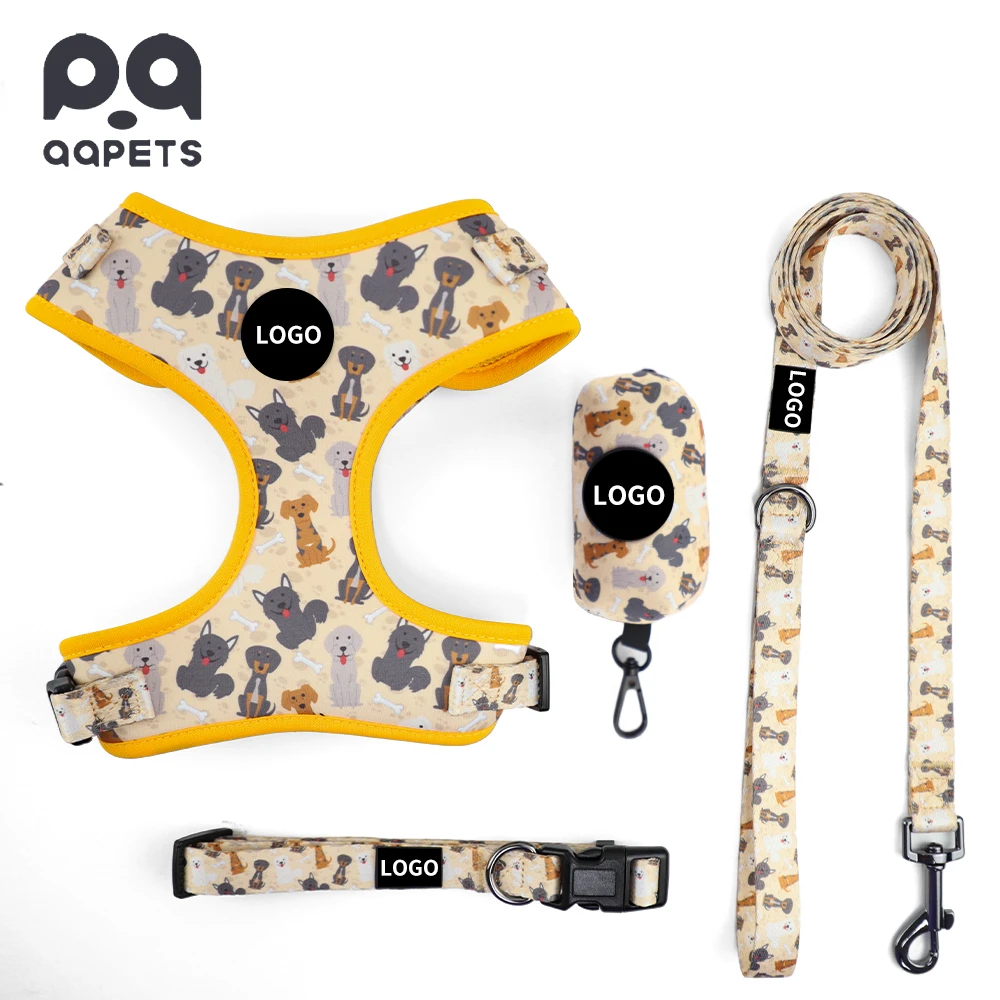
My name is Cathy, and at qqpets, we are true experts in the pet traction industry. I talk to brand owners every day who want to build a "cozy" or "cute" brand identity. The problem is that a trading company or a middleman can't guarantee "cozy"—they can only sell you a pre-made collar. For us as the factory, "cozy" is a technical specification. It is a deliberate choice of specific fabrics, padding, and components that we source, test, and assemble with precision. It's an experience that is carefully constructed, material by material. Let me show you exactly how we build the perfect cozy collar from the inside out.
What material creates the soft, vibrant base for a cozy collar?
You need the main collar material to be comfortable against a pet's fur and skin, but also strong and capable of showing off your cool custom design. You're afraid you have to choose between softness and durability.
You don't have to choose. The ideal material is a high-density polyester webbing1, which offers a unique combination of a soft, smooth finish for comfort and the robust structure needed for safety.
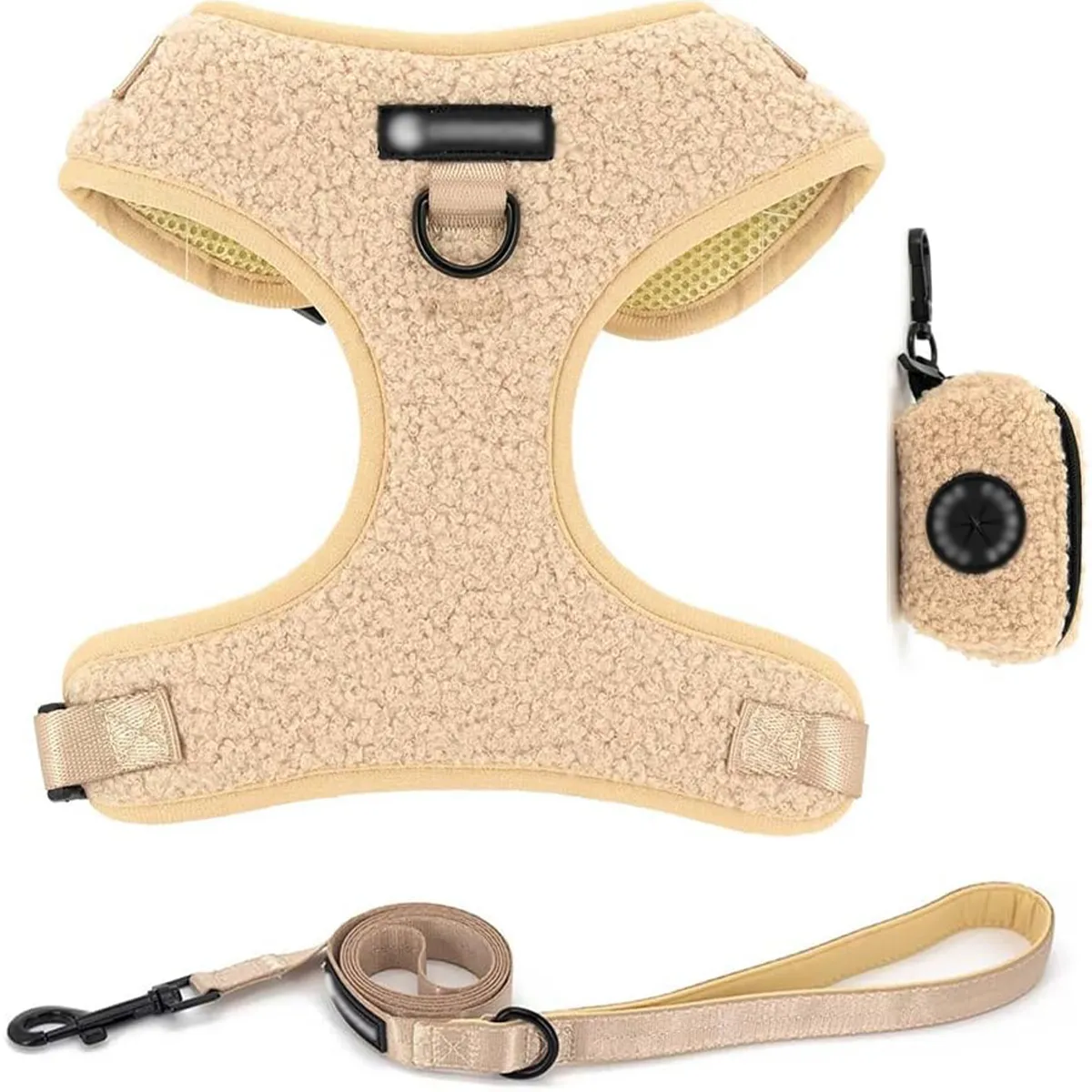
The foundation of any great collar is the webbing. This is the main strap that provides the structure and strength. However, not all webbing is created equal. The wrong choice can lead to a collar that is stiff, abrasive, or one that fades quickly, destroying your "cozy critters" brand image. The perfect material must perform three jobs flawlessly: it must be comfortable, it must be strong, and it must be the perfect canvas for your design. We have found that high-density polyester excels at all three.
Why High-Density Polyester is the Superior Choice
Many collars use standard nylon, which can be rough and absorb water2. We choose high-density polyester because of its specific benefits for a premium product. Its fibers have a smoother, silkier feel that is less likely to cause chafing or irritation. Furthermore, it's naturally hydrophobic, meaning it resists absorbing water and dries quickly, which helps prevent mildew and odors3. This is a small detail that contributes significantly to the long-term cozy and clean experience for the pet.
Printing That Preserves Softness
The real magic happens when we apply your Modele personalizate. We use a process called dye-sublimation%%%FOOTNOTE_REF4%%%. Instead of printing a stiff, plastic-like layer on top of the fabric, this process uses heat to turn ink into a gas that permanently infuses the polyester fibers. The design becomes part of the material. This ensures your vibrant "cozy critters" pattern [will never crack, peel, or fade](https://spandexbyyard.com/pages/sublimation?srsltid=AfmBOorWKGPVVYCT9EKzBaHnPQH6kJ-yNZQNTZf2JLcvKf6-1cfh19h)5, and more importantly, it doesn't change the soft, comfortable texture of the webbing.
| Webbing Material | Comfort Level | Durabilitate | Print Quality |
|---|---|---|---|
| High-Density Polyester | Excellent (Soft & Smooth) | Excellent | Excellent (Vibrant, Permanent) |
| Standard Nylon | Fair (Can be abrasive) | Excellent | Good |
| Cotton6 | Excellent (Very Soft) | Poor (Stretches, weakens when wet) | Fair (Prone to fading) |
How do you add a luxurious layer of plush comfort?
A single strap of webbing is functional, but you want to offer a product that feels truly premium and exceptionally cozy. You want a feature that customers can see and feel, justifying a higher price point.
You add that premium touch by lining the collar with a soft, cushioned neoprene padding. This transforms a standard collar into a luxury item that provides unmatched comfort around the pet's neck.
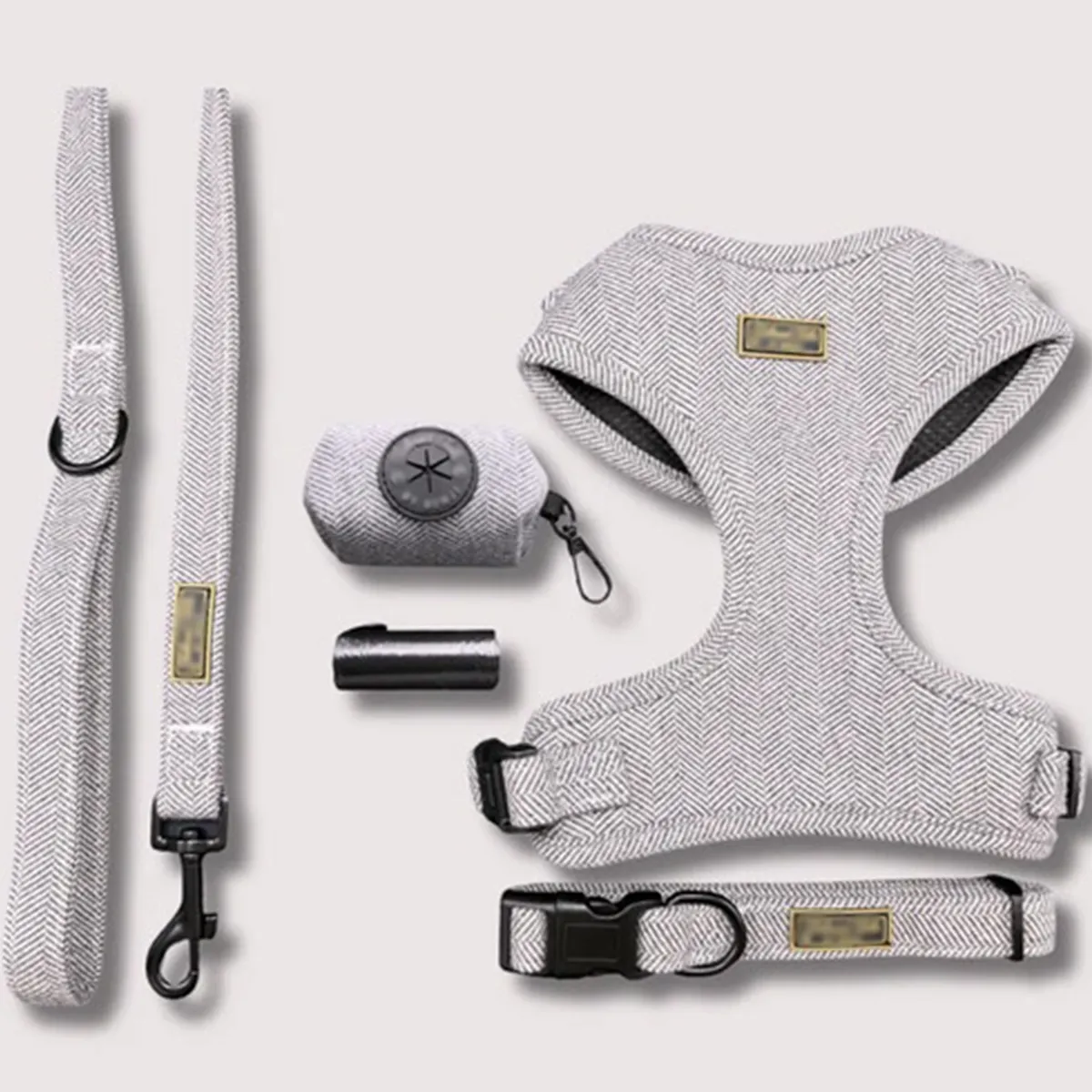
This is the detail that separates a good collar from a great one. While the polyester webbing is the strong and beautiful exterior, the inner lining is what delivers that "ahh, cozy" feeling. Think of it like a high-end jacket; the outer shell protects from the elements, but the soft inner lining is what makes it comfortable to wear. We use neoprene, the same soft, spongy material found in wetsuits7, as our preferred comfort layer.
The Science of Neoprene Cushioning
Neoprene provides a gentle, cushioned buffer between the collar and the dog's neck. This is especially important for dogs with sensitive skin or those who pull on the leash. Its spongy nature helps distribute pressure more evenly8, reducing the risk of chafing or hair loss. Just like our polyester webbing, neoprene is also quick-drying and water-resistant9, making it a hygienic choice that won't harbor bacteria or unpleasant smells.
The Factory Advantage in Application
Simply having neoprene isn't enough; it must be applied correctly. This is where factory control is critical. As the manufacturer, we have control over the density of the neoprene we source and, most importantly, the stitching process. We ensure the neoprene is sewn with high-strength, non-abrasive thread and a clean stitch pattern that won't irritate the skin. A middleman has no control over this; they might get a batch where the stitching is sloppy or the neoprene is too thin. We can even offer different colors for the neoprene lining, allowing you to create beautiful, two-tone designs that you can visualize in our 3D Mockup System. This level of detailed customization is only possible when you work directly with the factory.
What kind of hardware completes the 'cozy' experience?
You've designed a collar that is incredibly soft and plush, but a heavy, clunky, or sharp-edged buckle can completely ruin the effect. You're worried the hardware will make the collar uncomfortable, noisy, or even unsafe.
The perfect "cozy" hardware is a careful balance of strength and lightweight design. It means using high-quality, appropriately sized buckles and D-rings that are secure, silent, and smooth to the touch.
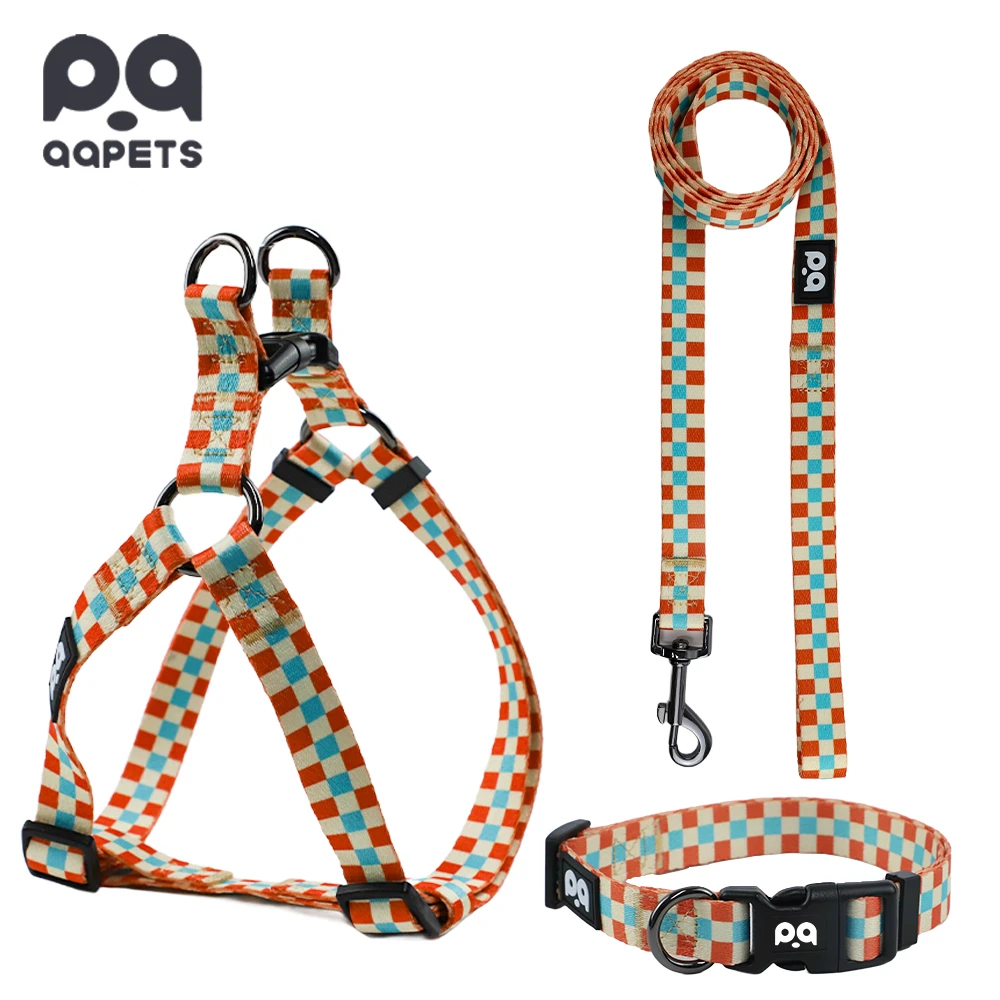
The final components of the perfect cozy collar are the hardware—the buckle that closes it and the D-ring that attaches to the leash. These are the most critical safety components, but their design also has a huge impact on comfort. Heavy hardware can be annoying for a small dog, while a buckle with sharp edges can dig into the neck. Completing the "cozy critters" theme means choosing hardware that is both strong and unobtrusive.
Choosing the Right Buckle
The goal is maximum security with minimum weight and bulk.
- For Smaller Critters: For small to medium-sized dogs, we often recommend high-quality POM (polyoxymethylene) plastic side-release buckles. These are incredibly strong for their weight, operate smoothly, and are quieter than metal.
- For a Luxe Look: For brands wanting a more premium metal look, we source lightweight zinc alloy buckles. They provide that high-end feel without the excessive weight of steel, making them comfortable even for all-day wear.
The Importance of Finishing Details
Our quality control process, which is part of our factory's ISO 9001 certification, scrutinizes these small details that make a big difference. We insist on using welded D-rings. A non-welded ring has a tiny gap that can be pulled apart by a strong puller, creating a massive safety failure. Our welded rings form a solid, unbroken loop of metal. We also ensure all hardware is finished smoothly, with no sharp mold lines or burrs that could snag fur or irritate the skin. This attention to detail is fundamental to our process. Ready to build a truly cozy product? Contact our expert team today to see how we can bring your vision to life, from Mockup in seconds to a Sample in 3 Days.
Concluzie
The perfect cozy collar combines soft polyester webbing, plush neoprene padding, and lightweight hardware. As a factory, we control every material to build a product that is truly comfortable.
"Performance Properties in Fibers and Fabrics", https://d24-h.tamu.edu/files/2023/02/D2D-Performance-Properties-in-Fibers-and-Fabrics-Copy.pdf. A textile or polymer-engineering source documents that polyester fibers are commonly used where dimensional stability, abrasion resistance, and low moisture absorption are required, providing material-property support for selecting polyester as a collar webbing base. Evidence role: general_support; source type: education. Supports: High-density polyester webbing offers a soft, smooth finish while retaining the structure needed for a durable dog collar.. Scope note: Such evidence supports polyester’s general material suitability, not the comfort or strength of a specific manufacturer’s webbing. ↩
"Mid-infrared emissivity of nylon, cotton, acrylic, and ...", https://research.cec.sc.edu/files/asc/files/documents/belliveau-et-al-2019-mid-infrared-emissivity-of-nylon-cotton-acrylic-and-polyester-fabrics-as-a-function-of-moisture.pdf. A textile-science source comparing nylon and polyester moisture regain supports that nylon generally absorbs more moisture than polyester, giving contextual support to the article’s contrast between the two webbing materials. Evidence role: general_support; source type: education. Supports: Standard nylon can absorb more water than polyester and may be less suitable when a dry, soft-feeling collar is desired.. Scope note: The source would not establish that all standard nylon dog collars feel rough; tactile feel depends on weave, finishing, and yarn specification. ↩
"Microbial Odor Profile of Polyester and Cotton Clothes after a Fitness ...", https://pmc.ncbi.nlm.nih.gov/articles/PMC4249026/. A microbiology or textile-hygiene source supports that moisture availability promotes microbial growth and odor formation on textiles, giving indirect support to the claim that low water retention may reduce mildew and odor risk. Evidence role: mechanism; source type: paper. Supports: Reduced moisture retention can help lower the conditions that contribute to mildew and odor on textile products.. Scope note: This evidence is contextual; it does not prove that any particular polyester collar prevents mildew or odor under real pet-use conditions. ↩
"Dye-sublimation printing - Wikipedia", https://en.wikipedia.org/wiki/Dye-sublimation_printing. A printing-technology source explains that dye-sublimation uses heat to convert dye into vapor that diffuses into polyester, supporting the article’s description of the process mechanism. Evidence role: mechanism; source type: education. Supports: Dye-sublimation printing uses heat to transfer dye into polyester fibers rather than depositing only a surface layer.. Scope note: The source supports the general dye-sublimation mechanism, not the performance of a specific print line, ink set, or collar substrate. ↩
"Sublimation Fabric – Stretch, Polyester & Performance Materials", https://spandexbyyard.com/pages/sublimation?srsltid=AfmBOorWKGPVVYCT9EKzBaHnPQH6kJ-yNZQNTZf2JLcvKf6-1cfh19h_. A textile-printing source supports that sublimation prints are embedded in polyester fibers and therefore are less prone to surface cracking or peeling than film-like surface prints. Evidence role: mechanism; source type: research. Supports: Sublimation printing on polyester is less likely to crack or peel because the colorant is incorporated into the fiber rather than applied as a raised surface layer.. Scope note: The absolute phrase “never” is stronger than most evidence can support; fading can still occur from UV exposure, abrasion, laundering, dye quality, and aging. ↩
"Performance Properties in Fibers and Fabrics", https://d24-h.tamu.edu/files/2023/02/D2D-Performance-Properties-in-Fibers-and-Fabrics-Copy.pdf. A textile-materials source describing cotton’s moisture absorption and mechanical behavior supports the contextual comparison that cotton webbing can change dimensions and performance when wet. Evidence role: general_support; source type: education. Supports: Cotton is softer but can be less dimensionally stable and less suitable than synthetic webbing for wet or high-load collar use.. Scope note: The evidence may not show that cotton is categorically poor for every collar; cotton blends, weave density, and finishes can improve performance. ↩
"Neoprene - Wikipedia", https://en.wikipedia.org/wiki/Neoprene. An encyclopedia or materials source identifies neoprene as a synthetic rubber commonly used in wetsuits and valued for its flexible, foam-like structure, supporting the article’s contextual description of the padding material. Evidence role: definition; source type: encyclopedia. Supports: Neoprene is a soft, spongy synthetic rubber material commonly used in wetsuits.. Scope note: Use in wetsuits confirms common material context, not that a given collar lining has the same thickness, density, or comfort properties as wetsuit neoprene. ↩
"Pressure and force on the canine neck when exercised using a collar and ...", https://pmc.ncbi.nlm.nih.gov/articles/PMC7386734/. A biomechanics or veterinary source on contact pressure supports the principle that padding and wider compliant materials can spread load over a larger area, contextualizing the claim about cushioned collar linings. Evidence role: mechanism; source type: paper. Supports: A cushioned neoprene layer can help distribute collar pressure more evenly around a dog’s neck.. Scope note: This supports the pressure-distribution mechanism generally; it does not directly measure pressure under this specific collar design. ↩
"Neoprene - Wikipedia", https://en.wikipedia.org/wiki/Neoprene. A materials reference on neoprene supports that neoprene rubber has low water permeability and is widely used where water resistance is needed, providing contextual support for describing neoprene padding as water-resistant. Evidence role: general_support; source type: education. Supports: Neoprene is water-resistant and can be appropriate for products exposed to moisture.. Scope note: Quick-drying performance depends on fabric lamination, thickness, and construction; a general neoprene source may not directly test collar linings. ↩