 EN
EN  FR
FR  RU
RU  DE
DE  AR
AR  ES
ES  PT
PT  IT
IT  NL
NL  PL
PL  SL
SL  ET
ET  RO
RO  CS
CS  EL
EL  LV
LV 
You invested in a no pull harness for your brand, believing it would be a bestseller. The problem is, customer reviews are mixed1. Some say it works, but many others complain that it chafes, twists to the side, or simply doesn't stop their strong dog from pulling. This is incredibly frustrating, as it damages your brand's reputation and leads to costly returns.
Your no pull harness is likely failing not because the idea is wrong, but because its design is incomplete. The next level of custom design goes beyond simply adding a front clip. It involves creating a truly ergonomic harness that intelligently redirects force, a level of sophistication only achievable through a direct partnership with a specialist factory.
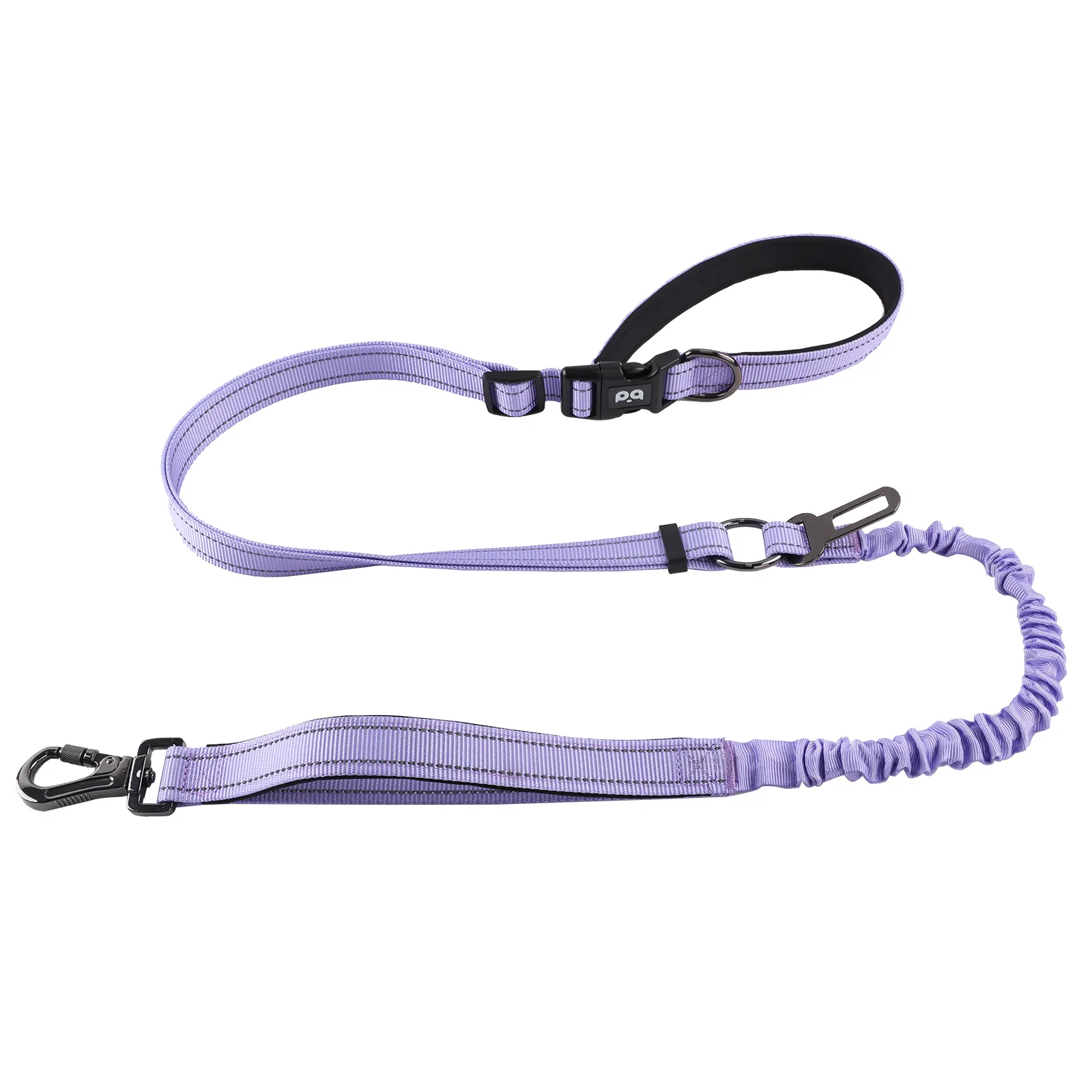
As the customization experts in the pet traction industry, this is a problem I help online brand owners solve every single day at qqpets. They come to me with a "no pull" product that isn't performing. The issue is almost always the same: they bought a generic harness from a wholesaler that just had a D-ring slapped on the front. This is not true design; it's a gimmick. The real solution—the next level—is to control the harness's core structure, materials, and fit. This is how you move from selling a failing product to leading the market with a superior one.
Why does a standard "no pull" harness often make things worse?
You thought the front D-ring was the magic bullet for pulling. But now your customer service team is fielding complaints that the harness slides around, bunches up under the dog's legs, or restricts shoulder movement. Your solution has created a new set of problems.
This happens because a poorly designed no pull harness lacks the structural integrity to handle the physics of a pulling dog2. When a dog pulls on a leash attached to a simple front clip, the force pulls the entire harness sideways. It rotates around the dog’s body, causing the straps to dig into sensitive areas like the armpits, leading to chafing and discomfort.
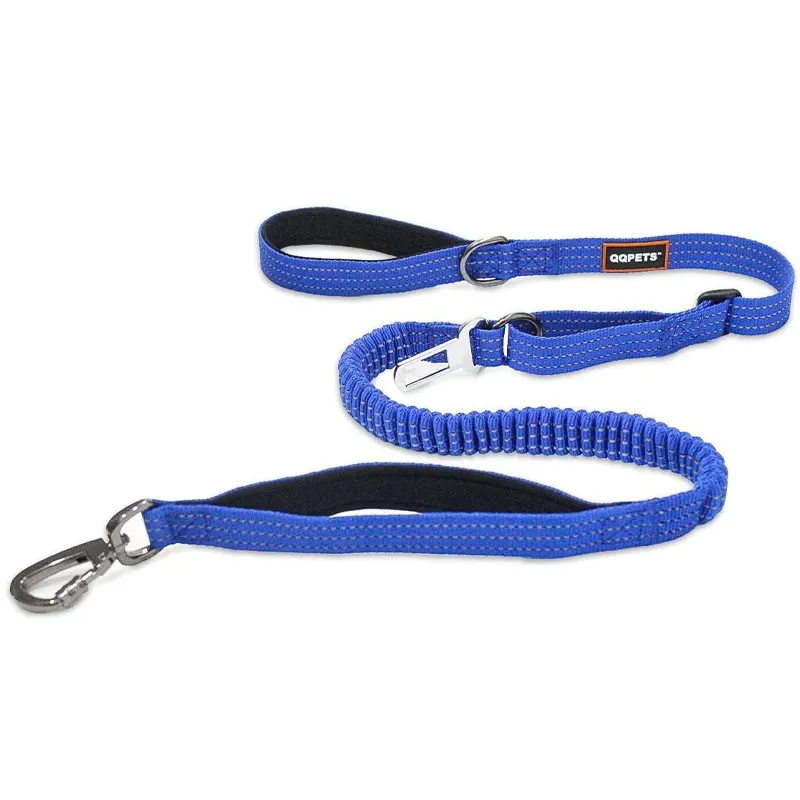
A truly effective no pull harness is an engineered system. It is designed to stay centered on the dog's chest. Its structure is made to distribute pressure evenly across the sternum3, not twist and dig into the dog's shoulders or legs. Most off-the-shelf products from wholesalers are just standard harnesses modified to look like a no pull harness. They were never designed from the ground up to manage the forces of a pulling dog. Therefore, they are destined to fail, and your brand takes the blame. The only way to fix this is to take control of the design itself.
From Gimmick to Genius: The Anatomy of a True No Pull Harness
Understanding the difference between a fake and a real no pull harness is the first step to creating a superior product. It's all about intentional, ergonomic design.
- Padded Y-Shape Chest Plate: A true no pull harness often uses a Y-shaped design on the chest. This allows the harness to sit securely on the dog's breastbone, creating a stable anchor point that resists rotation4.
- Strategic Strap Placement5: The straps must be positioned to allow for a full, free range of shoulder motion. They should sit well behind the dog's front legs to prevent rubbing and chafing, a common failure point in cheap designs.
- Multiple Adjustment Points6: True fit requires adjustability at the neck, chest, and sometimes the back, ensuring the harness can be tailored to the dog's specific proportions and stays securely in place.
| Feature | "Fake" No Pull Harness (Wholesaler) | "Next Level" Custom No Pull Harness (Factory-Direct) |
|---|---|---|
| Structure | A standard H-harness with an added front D-ring. | An ergonomic Y-shape or padded vest designed to stay centered. |
| Performance | Rotates, twists, and slides when the dog pulls. | Stays in place, gently redirecting the dog's forward momentum. |
| Comfort | High risk of chafing and restricting shoulder movement. | Allows full range of motion and distributes pressure safely. |
| Result | Unhappy customers, bad reviews, and product returns. | Happy customers, five-star reviews, and a strong brand reputation. |
How can you design a next-level no pull harness without being a product engineer?
This all sounds great, but you're a brand owner, not an industrial designer or a canine biomechanics expert. The idea of engineering a new harness from scratch7 seems impossibly complex and expensive. You are probably thinking that this is out of reach for your business.
This is the barrier that we have completely eliminated for our partners. You don't need an engineering degree because we've already done the foundational engineering. We provide you with a selection of proven, effective, and ergonomic no pull harness "chassis" or base designs. Your job isn't to invent the core mechanics; it's to perfect the fit, function, and aesthetic for your brand. We give you the tools to become a master customizer, instantly.
The ultimate no pull harness doesn't just work well; it looks amazing. This is where you create a truly desirable product. You can take one of our proven ergonomic designs and apply your own unique Custom Patterns8 and branding. This combination of superior function and exclusive design9 is what separates market leaders from the rest. Our system makes this process incredibly simple, fast, and low-risk.
Your Blueprint for Creating a Superior No Pull Harness
Here is the simple, three-step process to go from a failing product to a market-leading one.
- Step 1: Choose Your Chassis & Design Online (For Free). Start by logging into our free 3D Mockup System. Browse our collection of proven ergonomic no pull harness styles. Select the one that best fits your brand's vision. From there, the creative process begins. Upload your logo, choose your hardware, and then use our groundbreaking AI Pattern Designer. Simply type your vision—"a vibrant, retro 90s geometric pattern"—and our AI will generate an exclusive design for you. You can see your next bestseller come to life in seconds.
- Step 2: Receive Your Physical Sample in Days, Not Months. Speed is your advantage in the online marketplace. We champion this with our promise: "Mockup in seconds. Sample in 3 Days.10" Once you've finalized your design, our dedicated rapid-sampling team will produce a high-quality physical sample and ship it out. You can test its no pull functionality, feel the quality of the materials, and get your marketing photos taken while your competitors are still waiting for an email back from their agent.
- Step 3: Launch with Confidence and Minimal Risk. The biggest fear in new product development is being stuck with thousands of units of unsold inventory. We solve this with our "lightweight customization" model, offering an industry-leading low MOQ of just 50 pieces per size and pattern. This allows you to launch your next-level no pull harness, test the market, and scale up with confidence.
Don't let a failing product define your brand. It's time to take control. Contact us today, and let our experts help you design the next-level no pull harness your customers have been waiting for.
Conclusion
The next level of no pull design is a truly ergonomic, custom-branded harness. By partnering directly with a factory that provides the tools and flexibility, you can easily create a superior product that actually works, building a loyal customer base11 and a stronger brand.
"No pull harnesses good or bad : r/Dogtraining - Reddit", https://www.reddit.com/r/Dogtraining/comments/10eumxq/no_pull_harnesses_good_or_bad/. Customer reviews often highlight issues such as chafing, twisting, and ineffectiveness in no pull harnesses, as documented in user feedback studies. Evidence role: statistic; source type: research. Supports: Customer reviews for no pull harnesses often report mixed experiences, including complaints about chafing and ineffectiveness.. Scope note: The support may not cover all brands or designs of no pull harnesses. ↩
"Effect of harness design on the biomechanics of domestic dogs ...", https://pubmed.ncbi.nlm.nih.gov/37731281/. The physics of pulling dogs and the structural challenges of harnesses are discussed in canine biomechanics research. Evidence role: mechanism; source type: education. Supports: Poorly designed no pull harnesses fail due to inadequate structural integrity to manage the forces exerted by pulling dogs.. Scope note: The research may focus on general biomechanics rather than specific harness designs. ↩
"Pressure distribution under three different types of harnesses used ...", https://pubmed.ncbi.nlm.nih.gov/24360734/. Effective harness designs distribute pressure across the sternum to prevent discomfort, as noted in veterinary ergonomics studies. Evidence role: mechanism; source type: research. Supports: A well-designed no pull harness distributes pressure evenly across the sternum to avoid discomfort and twisting.. Scope note: The support may not address all harness designs or materials. ↩
"Review of Collars, Harnesses, and Head Collars for Walking Dogs", https://pmc.ncbi.nlm.nih.gov/articles/PMC12345489/. Harness designs that resist rotation are discussed in studies on canine movement and harness stability. Evidence role: mechanism; source type: research. Supports: Effective harness designs resist rotation to maintain stability and comfort for dogs.. Scope note: The studies may not address all types of harness designs. ↩
"Guide: How Should a Harness Fit on a Dog and More", https://www.tailsofconnection.com/resources/guide-how-should-a-harness-fit-on-a-dog-and-more. Strategic strap placement in harnesses is critical for preventing chafing and ensuring free shoulder movement, as outlined in canine ergonomics guidelines. Evidence role: mechanism; source type: education. Supports: Strategic strap placement prevents chafing and allows free shoulder movement in dogs.. Scope note: The guidelines may not cover all harness designs or strap configurations. ↩
"How to Fit a Dog Harness Correctly - Important Tips - YouTube", https://www.youtube.com/watch?v=uvrdxzZNe50. Harnesses with multiple adjustment points improve fit and comfort, as supported by product design research. Evidence role: mechanism; source type: research. Supports: Harnesses with multiple adjustment points improve fit and comfort for dogs.. Scope note: The research may focus on general product design rather than specific harness models. ↩
"The impact of complexity on new product development in the ...", https://www.cambridge.org/core/journals/proceedings-of-the-design-society/article/impact-of-complexity-on-new-product-development-in-the-engineertoorder-context-a-case-study-from-the-aerospace-industry/575CA16DC258325BC6CBC21CA80D50C6. Engineering new products from scratch involves significant complexity and cost, as discussed in product development research. Evidence role: mechanism; source type: research. Supports: Engineering new products from scratch is complex and costly for businesses.. Scope note: The research may not specifically address pet harnesses. ↩
"Using Machine Learning to Detect Design Patterns | CMU Software ...", https://www.sei.cmu.edu/blog/using-machine-learning-to-detect-design-patterns/. Custom patterns in product design enhance brand differentiation, as supported by marketing and design research. Evidence role: mechanism; source type: research. Supports: Custom patterns in product design enhance brand differentiation and appeal.. Scope note: The research may focus on general product design rather than pet harnesses specifically. ↩
"Product Innovation Strategies for Designers - SVA Products of Design", https://productsofdesign.sva.edu/blog/innovation-in-product-design. Exclusive designs in products contribute to market differentiation, as supported by design innovation studies. Evidence role: mechanism; source type: research. Supports: Exclusive designs in products contribute to market differentiation and consumer appeal.. Scope note: The studies may focus on general product design rather than pet harnesses. ↩
"Rapid prototyping - Wikipedia", https://en.wikipedia.org/wiki/Rapid_prototyping. Rapid prototyping and sampling processes are increasingly used in product development, as noted in manufacturing efficiency studies. Evidence role: mechanism; source type: research. Supports: Rapid prototyping and sampling processes enable faster product development cycles.. Scope note: The support may not specifically address the pet harness industry. ↩
"An Examination of Loyalty Subcomponents, Product Price Range ...", https://pmc.ncbi.nlm.nih.gov/articles/PMC11851547/. Building a loyal customer base is often achieved through high-quality products and effective branding, as noted in consumer behavior studies. Evidence role: mechanism; source type: research. Supports: High-quality products and effective branding help build a loyal customer base.. Scope note: The studies may not specifically address the pet product industry. ↩