 EN
 FR
 RU
 DE
 AR
 ES
 PT
 IT
 NL
 PL
 SL
 ET
 RO
 CS
 EL
 LV
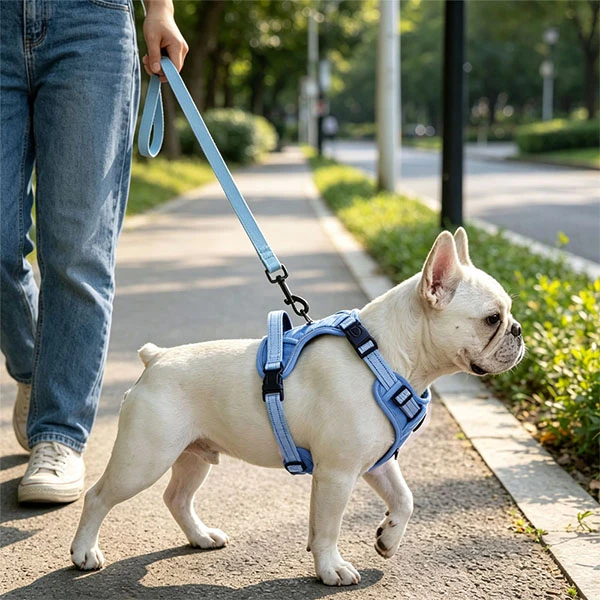
As an Austin pet brand, you're struggling to find custom dog collars that stand out. You feel stuck offering generic products that don't capture the city's unique, vibrant culture1.
Austin brands can build their own unique product line by partnering directly with a customization-focused factory. This allows for creating exclusive patterns, choosing quality components, and launching a full range with low minimum orders, perfectly tailored to the local Austin market.
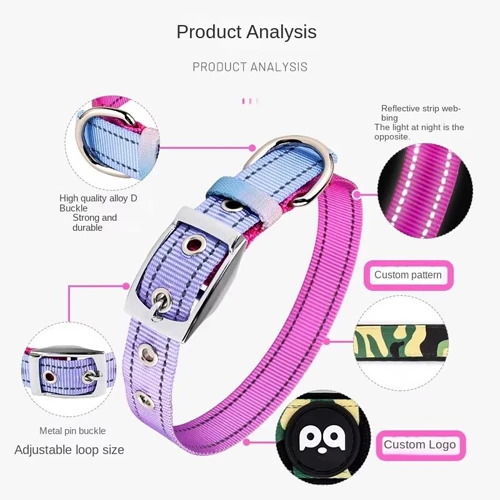
My name is Cathy, and I'm a customization expert at the qqpets factory. I speak with entrepreneurs and online sellers from all over the world, but I have a special appreciation for the creative energy coming from places like Austin, TX. I know you're not just selling a product; you're building a brand that reflects a lifestyle. The problem is, traditional sourcing makes this incredibly difficult2. You're either forced to buy generic, mass-produced collars that look like everything in the big-box stores, or you face the daunting task of investing thousands of dollars to create something truly unique. This leaves you unable to compete effectively and connect with the discerning, local-loving Austin customer. As a pet traction customization expert, my entire focus is on solving this exact problem. We've built our factory specifically to empower small and medium-sized brands, like yours in Austin, to create completely custom product lines easily, affordably, and quickly. This guide will walk you through exactly how you can do it.
How Can You Capture Austin's Unique Vibe Without Being a Designer?
You want your collars to reflect Austin's culture—its music scene, iconic murals, or "Keep Austin Weird" spirit3. But hiring a designer is expensive, and you lack the skills to create patterns yourself.
You can instantly generate exclusive, Austin-themed designs for free using an AI pattern generator4. This tool empowers you to turn your unique ideas into high-resolution patterns, giving your brand an authentic local feel without any design costs.
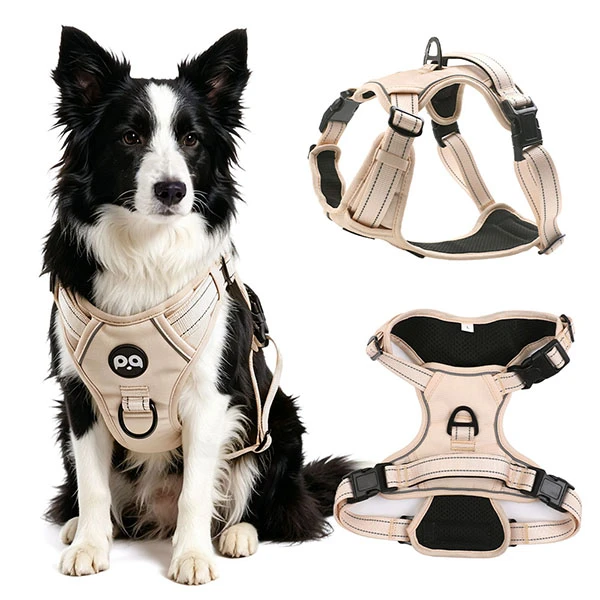
The visual design5 is your first and most powerful tool for connecting with the Austin market. A collar with a pattern of breakfast tacos, bats, or a design inspired by Zilker Park will get noticed in a way a generic plaid collar never will. For years, creating these Custom Patterns was the biggest hurdle for new brands. We knew we had to change that. That’s why we integrated a revolutionary AI Pattern Generator directly into our free 3D Mockup System. This is your personal, in-house designer that works for free. You simply type in your creative ideas—like "Austin skyline at sunset," "Texas bluebonnet field," or "funky retro guitar pattern"—and the AI instantly creates several completely original patterns for you. You can then use our "Mockup in seconds" feature to immediately see what your new, exclusive pattern looks like on a photorealistic dog collar, leash, or harness. This isn't just about making things faster; it's about democratizing design6. You, the brand owner in Austin, know your market best. Now you have the tool to bring your vision to life instantly.
Tertiary Heading: Creating an Austin-Centric Design
| Method | Cost | Speed | Outcome for an Austin Brand |
|---|---|---|---|
| Hiring a Local Designer | $100 - $500+ per pattern | 1-2 weeks | High quality but slow and expensive. A major barrier for a new brand. |
| Using Stock Patterns | Free / Low Cost | Instant | Your brand looks generic and is indistinguishable from national competitors. |
| qqpets AI Generator | 100% Free | Seconds | You create an endless supply of exclusive, Austin-themed patterns, giving you a powerful local advantage. |
How Do You Ensure Quality When Sourcing from an Overseas Factory?
You've created a fantastic design, but you're worried about sending money overseas for a bulk order. You fear the final product won't match the design, or the quality will be poor, damaging your brand's reputation.
You eliminate this risk by partnering with a factory that has a transparent and rapid sampling process. Our "Sample in 3 Days" promise gets a production-grade physical sample into your hands in Austin for approval before you ever commit to a bulk order.
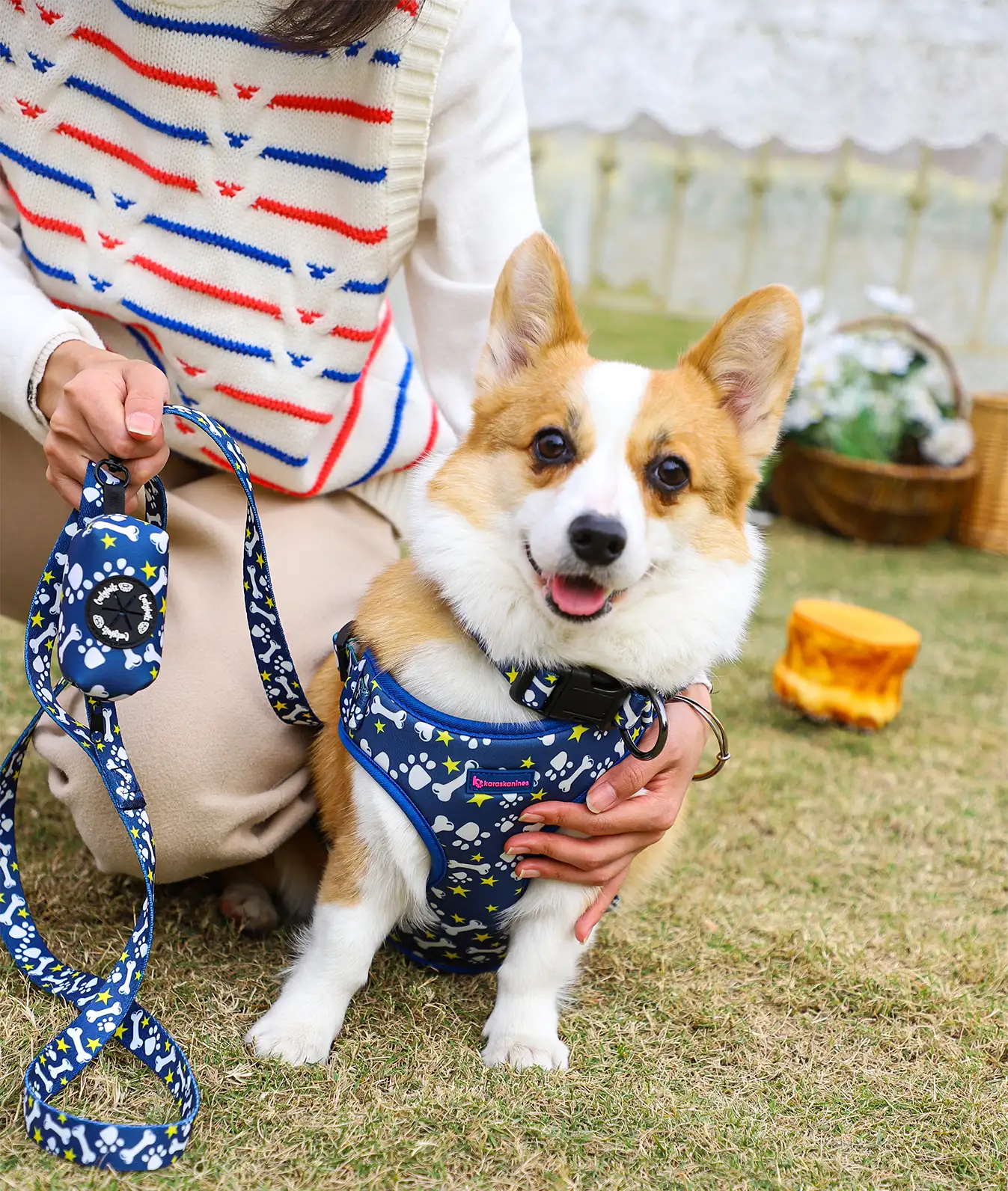
This is the most common and understandable fear for any online seller or shop owner. Your brand's reputation rests on the quality of your products. A single bad batch can lead to negative reviews, costly returns, and a total loss of customer trust7. This is why the sampling stage is the single most important step in the entire process. It's your chance to physically touch, feel, and stress-test the product8 that will carry your brand name. We built our process to make this step fast and foolproof. Once you approve your design in our 3D system, we don't just send you a picture; we create and ship a real, production-quality sample in just three days. When you receive that sample in Austin, you can check everything: the vibrancy of your custom print, the strength of the stitching, the quality of the buckle, and the feel of the webbing. You can pull on the D-ring and ensure it's welded. You can click the buckle 50 times. You can put it on your own dog. This physical verification removes all the guesswork and risk, giving you 100% confidence in what you're ordering. We are a certified factory with strict quality control, and our samples are our promise of the quality you will receive in your bulk order.
How Can a Small Austin Brand Offer a Full, Matching Product Line?
You see big brands offering matching sets of collars, leashes, harnesses, and poop bag holders. You want to offer this too, but you assume it requires a huge budget and massive inventory investment that you simply don't have.
You can launch a complete, matching product line with a very small investment by leveraging our low minimum order quantity (MOQ). With a single-size, single-color MOQ of just 50 pieces, you can affordably create a cohesive collection.
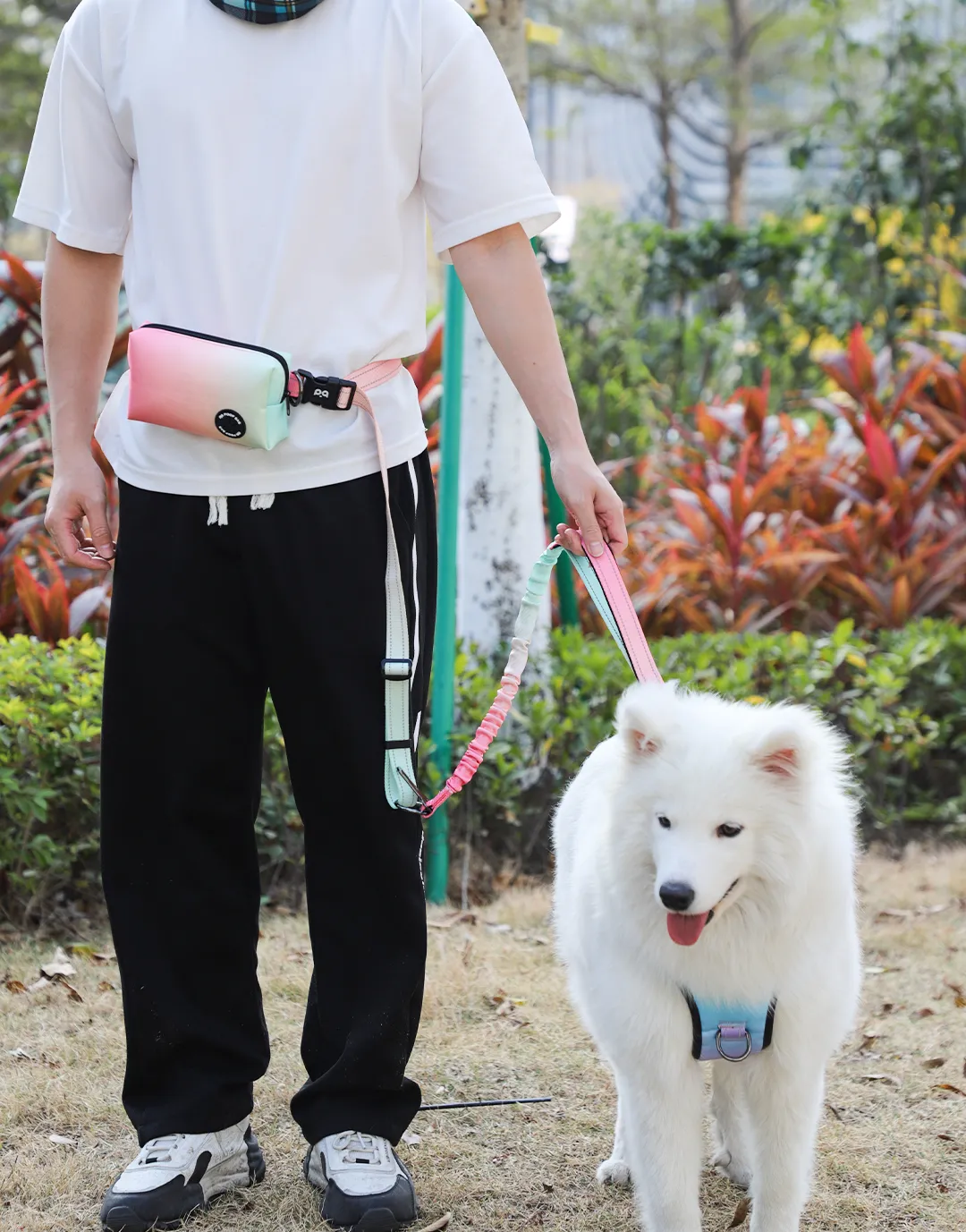
Offering matching sets is one of the most effective ways to increase your average order value9 and build a strong brand aesthetic. A customer who comes for a collar is very likely to buy the matching leash if it's available. The barrier for small brands has always been the high MOQs demanded by most factories10. They might require you to order 500 collars, 500 leashes, and 500 harnesses, which is an impossible investment for a startup. This is the problem our "lightweight customization" model was built to solve. We understand the needs of Shopify sellers and boutique owners. Our MOQ is just 50 pieces for a specific size and design. This means you can take one of your brilliant, AI-generated Austin patterns and apply it across an entire product family without breaking the bank. You could launch a "Barton Springs" collection with just 50 small collars, 50 medium collars, and 50 leashes, all with the same beautiful design. This allows you to test the market, create irresistible product bundles, and present a professional, cohesive brand image from day one. It puts you on a level playing field with the biggest players, but with the agility and local flavor only a small brand can offer.
Ready to build the Austin-based pet brand you've always dreamed of? Let's bring your unique vision to life. Contact us today to start your project.
Conclusion
Austin brands can finally create unique, high-quality dog collars and leashes. By using AI design, rapid sampling, and low-MOQ manufacturing, you can build a successful local brand with confidence.
"Art in Public Places | Austin Arts, Culture, Music and Entertainment", https://www.austintexas.gov/arts-culture/art-public-places. A city or encyclopedia source documents Austin’s longstanding association with music, public culture, and distinctive local identity, providing context for describing the market as culturally distinctive. Evidence role: historical_context; source type: encyclopedia. Supports: Austin has a distinctive and vibrant local culture that pet brands may reference in product design.. Scope note: This supports the cultural characterization of Austin generally, not the commercial performance of Austin-themed pet products. ↩
"Barriers and Drivers to Accessing and Using Workforce and Technical ...", https://cece.vt.edu/content/dam/cece_vt_edu/newsbrief/SMM%20Journal%20Article.pdf. Supply-chain and small-business research notes that smaller firms often face constraints in sourcing, supplier access, working capital, and minimum order requirements, offering context for why custom product development can be difficult for new brands. Evidence role: general_support; source type: paper. Supports: Traditional sourcing can make it difficult for small brands to develop unique customized products.. Scope note: This would contextualize the challenge for SMEs broadly rather than prove the experience of every Austin pet brand. ↩
"Art in Public Places | Austin Arts, Culture, Music and Entertainment", https://www.austintexas.gov/arts-culture/art-public-places. Municipal, tourism, or encyclopedia sources describe Austin’s music scene, public art, and “Keep Austin Weird” slogan as recognizable parts of the city’s identity, supporting the cultural references used as design inspiration. Evidence role: historical_context; source type: institution. Supports: Austin’s music scene, murals, and “Keep Austin Weird” identity are recognizable local cultural references.. Scope note: This supports the relevance of these cultural motifs, not whether consumers will prefer collars using them. ↩
"[2109.06977] Design Guidelines for Prompt Engineering Text-to-Image ...", https://arxiv.org/abs/2109.06977. Technical literature on text-to-image generative models explains that AI systems can synthesize novel images from natural-language prompts, which supports the general feasibility of AI-assisted pattern creation. Evidence role: mechanism; source type: paper. Supports: AI tools can generate visual patterns from written prompts.. Scope note: This does not verify the output quality, originality, licensing status, or high-resolution capability of the specific tool mentioned in the article. ↩
"Effects of Design Aesthetics on the Perceived Value of a Product - PMC", https://pmc.ncbi.nlm.nih.gov/articles/PMC8359925/. Consumer-behavior research finds that product appearance and visual design influence evaluation, preference, and purchase decisions, supporting the article’s emphasis on design as a market-connection tool. Evidence role: expert_consensus; source type: paper. Supports: Visual design can influence how consumers evaluate and connect with products.. Scope note: The evidence is general consumer research and may not measure dog collars or Austin-specific buyers directly. ↩
"Human-Computer Interaction", https://arxiv.org/list/cs.HC/new. Research on digital fabrication and AI-assisted creative tools discusses how software can lower technical barriers to design participation, providing context for describing such tools as democratizing design. Evidence role: general_support; source type: paper. Supports: AI and digital design tools can reduce barriers for non-designers to participate in product design.. Scope note: This supports the broader concept of reduced design barriers, not the accessibility or outcomes of the specific platform in the article. ↩
"Influence of Consumer Trust, Return Policy, and Risk Perception on ...", https://www.mdpi.com/2079-8954/13/3/158. E-commerce research shows that online reviews and perceived product quality affect consumer trust and purchase behavior, supporting the claim that poor quality can harm reputation and sales outcomes. Evidence role: expert_consensus; source type: paper. Supports: Poor product quality can lead to negative reviews and damage consumer trust in an online brand.. Scope note: The evidence would support the relationship between reviews, trust, and purchasing generally, not quantify losses for pet-collar sellers specifically. ↩
"The Ultimate Guide to Quality Inspection in Manufacturing", https://www.6sigma.us/manufacturing/quality-inspection/. Quality-assurance and prototyping literature explains that physical prototypes and pre-production samples allow verification of materials, construction, usability, and fit before full-scale production. Evidence role: mechanism; source type: paper. Supports: Physical samples help buyers verify product quality before committing to bulk production.. Scope note: This supports the value of sampling in manufacturing generally, not the adequacy of any single sample or inspection procedure. ↩
"The Dynamic Effects of Bundling as a Product Strategy", https://www.hbs.edu/ris/Publication%20Files/dynamicbundling_2013_06_20_13def9fb-1904-479a-8a37-fa64eff9663a.pdf. Marketing and e-commerce research on cross-selling and product bundling finds that offering complementary products can raise basket size and order value, supporting the claim about matching sets as a revenue tactic. Evidence role: expert_consensus; source type: paper. Supports: Offering matching complementary products can increase average order value through cross-selling or bundling.. Scope note: The evidence would support the general cross-selling mechanism, not guarantee higher average order value for any specific pet brand. ↩
"Raw Material Minimum Order Quantity Optimization", https://dspace.mit.edu/bitstream/handle/1721.1/121302/1240293813-MIT.pdf?sequence=1. Operations and supply-chain literature describes minimum order quantities as a common supplier practice that can shift inventory and capital burdens to buyers, particularly affecting smaller firms. Evidence role: general_support; source type: paper. Supports: High minimum order quantities can create inventory and capital barriers for small brands.. Scope note: This supports the general business constraint of MOQs but does not establish what most pet-product factories require. ↩