 EN
EN  FR
FR  RU
RU  DE
DE  AR
AR  ES
ES  PT
PT  IT
IT  NL
NL  PL
PL  SL
SL  ET
ET  RO
RO  CS
CS  EL
EL  LV
LV 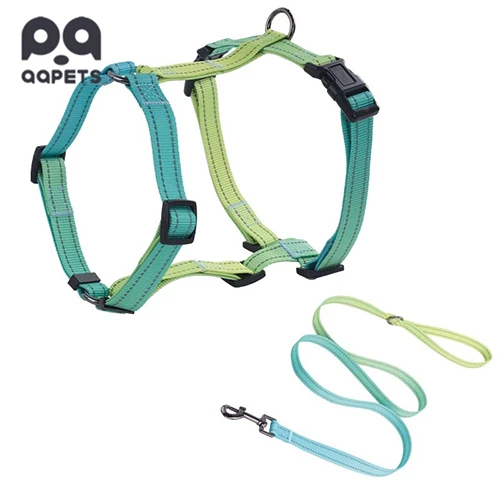
You want to add your brand to a classic custom dog harness, but you know that just slapping a logo on a generic product isn't enough. Your brand feels invisible, and your products fail to stand out in a crowded market.
You add your brand by infusing its unique identity into every element of the harness. This is done through custom patterns, distinct logo applications, and a commitment to quality that a direct factory partnership makes possible.
My name is Cathy, and as a custom pet products expert at qqpets, I see brand owners struggle with this exact problem. They believe branding begins and ends with a logo. But true, memorable branding is a full sensory experience1. It's about creating a product that is instantly recognizable as yours, even from a distance. A middleman or trading company can't offer this level of integration; they can only offer you a space to put your sticker. A real factory, however, gives you the tools to build your brand into the very fabric of the product. Let’s walk through exactly how you can achieve this.
How do you create a visual identity that goes beyond a simple logo?
You’re tired of seeing the same generic patterns on every dog harness. You add your logo, but the product still looks like a cheap imitation because the core design is unoriginal and uninspired.
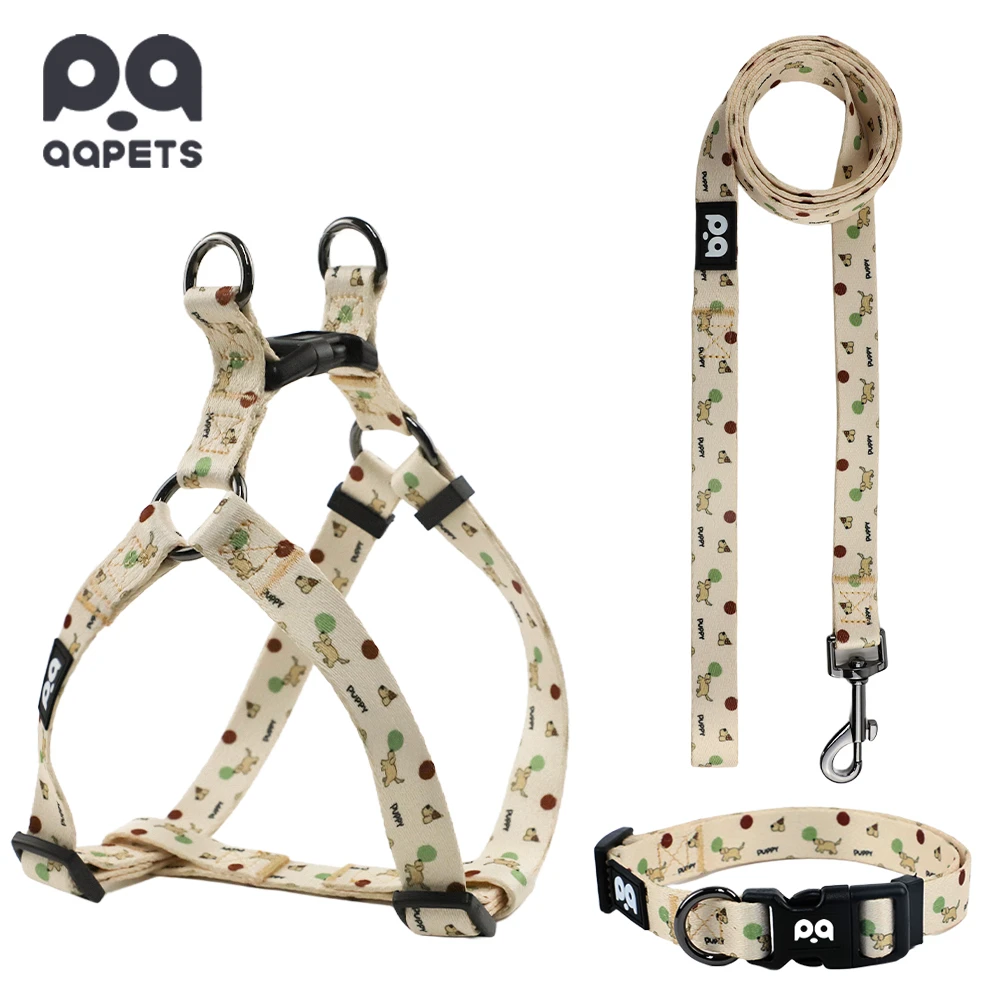
You must go beyond the logo and create proprietary Custom Patterns2. This is the most powerful way to establish a unique visual identity and make your classic harness instantly recognizable as your own.
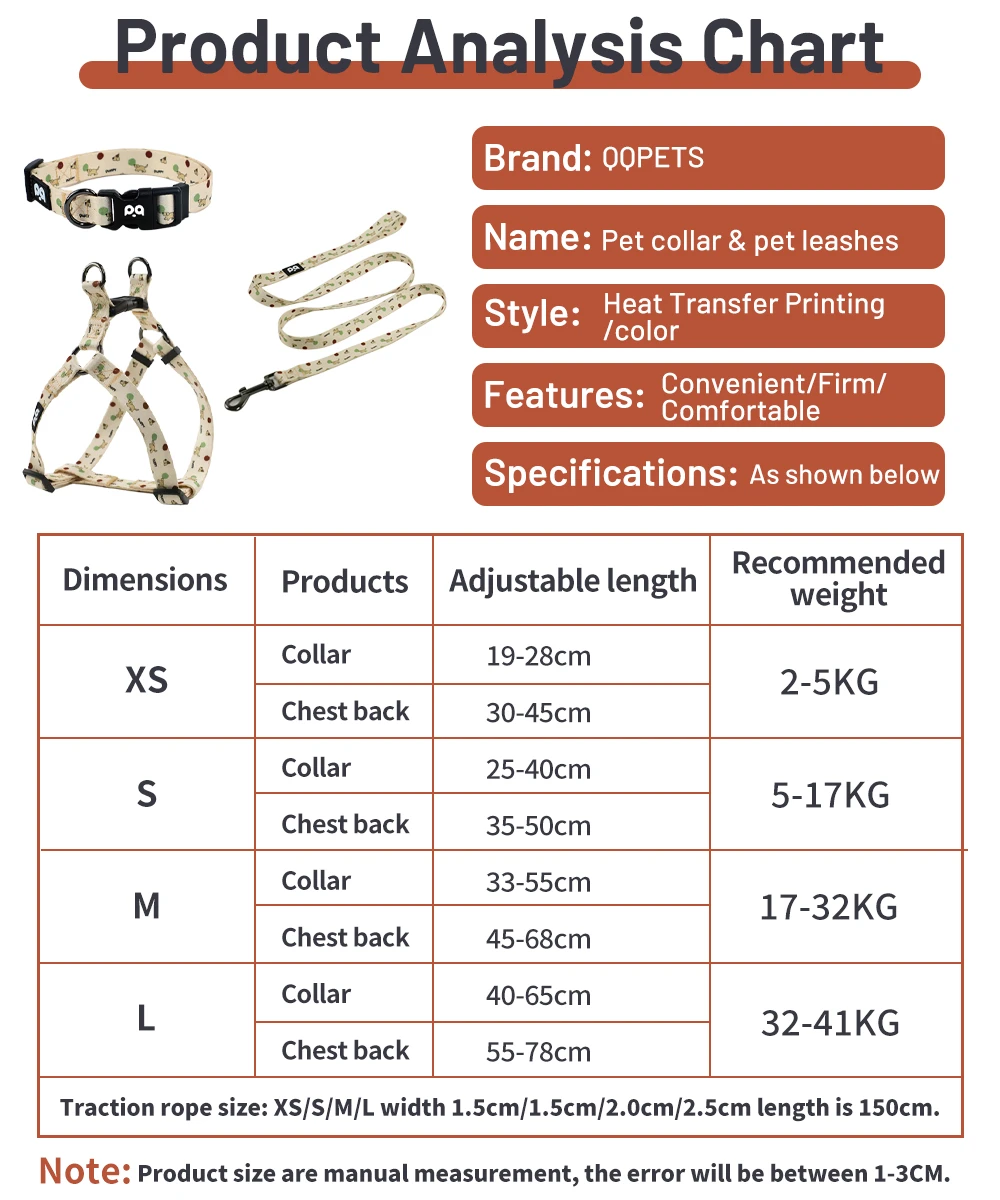
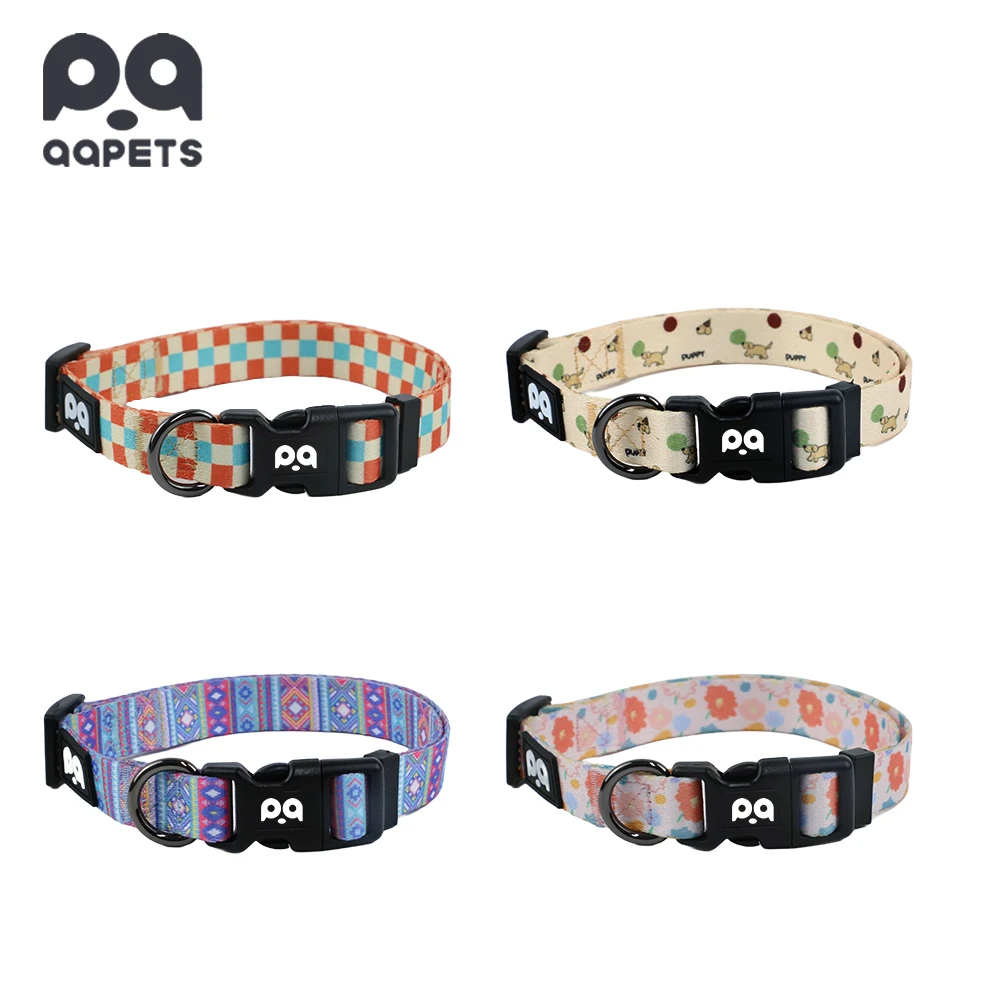
The single most impactful branding element on a dog harness is the pattern on the webbing3. It covers the most surface area and is the first thing a customer sees. A unique pattern transforms a simple product into a fashion statement and a piece of your brand's story. While a trading company might offer you a small catalog of patterns they bought in bulk, a factory partner gives you the power to create a pattern from scratch. This is the difference between renting a space and owning the building.
From Idea to Instant Reality: The Factory Advantage
We knew that to be true customization experts, we had to give you, the brand owner, direct creative control. That is why we developed our powerful and free 3D Mockup System. This interactive tool puts you in the designer's seat.
- AI-Powered Design: Do you have an idea but not a design? Simply type your thoughts into our AI tool. For example, "a minimalist geometric pattern with gold lines on a navy blue background," and the system will generate unique options for you.
- Endless Options: You can also upload your own finished designs or choose from our exclusive library of over a thousand patterns, all free for you to use.
- Instant Visualization: Apply your chosen pattern to a 3D harness model and see your product come to life. This is our "Mockup in seconds" guarantee. It is tangible proof that you are working directly with the source.
The Logo: Your Brand's Signature4
Once you have a unique pattern, the logo serves as the confirming signature. A factory offers you multiple high-quality options to apply this signature, ensuring it matches your brand's aesthetic.
- PVC Patches: A durable, modern, and three-dimensional option.
- Woven Labels: A classic, high-end look sewn directly onto the harness.
- Sticker on Buckle: A subtle but effective way to keep your brand front and center.
This combination of a custom pattern and a thoughtful logo application creates a layered, professional brand identity that a simple logo on a generic product can never achieve.
How do you ensure your brand stands for quality and trust?
You've designed a beautiful harness, but you live in fear of bad reviews. A single buckle breaking or a pattern fading will attach your brand's name to poor quality, destroying customer trust5 forever.
You brand for quality by taking direct control of the materials and manufacturing process. Working with a factory allows you to guarantee the durability and safety that will become your brand's promise.
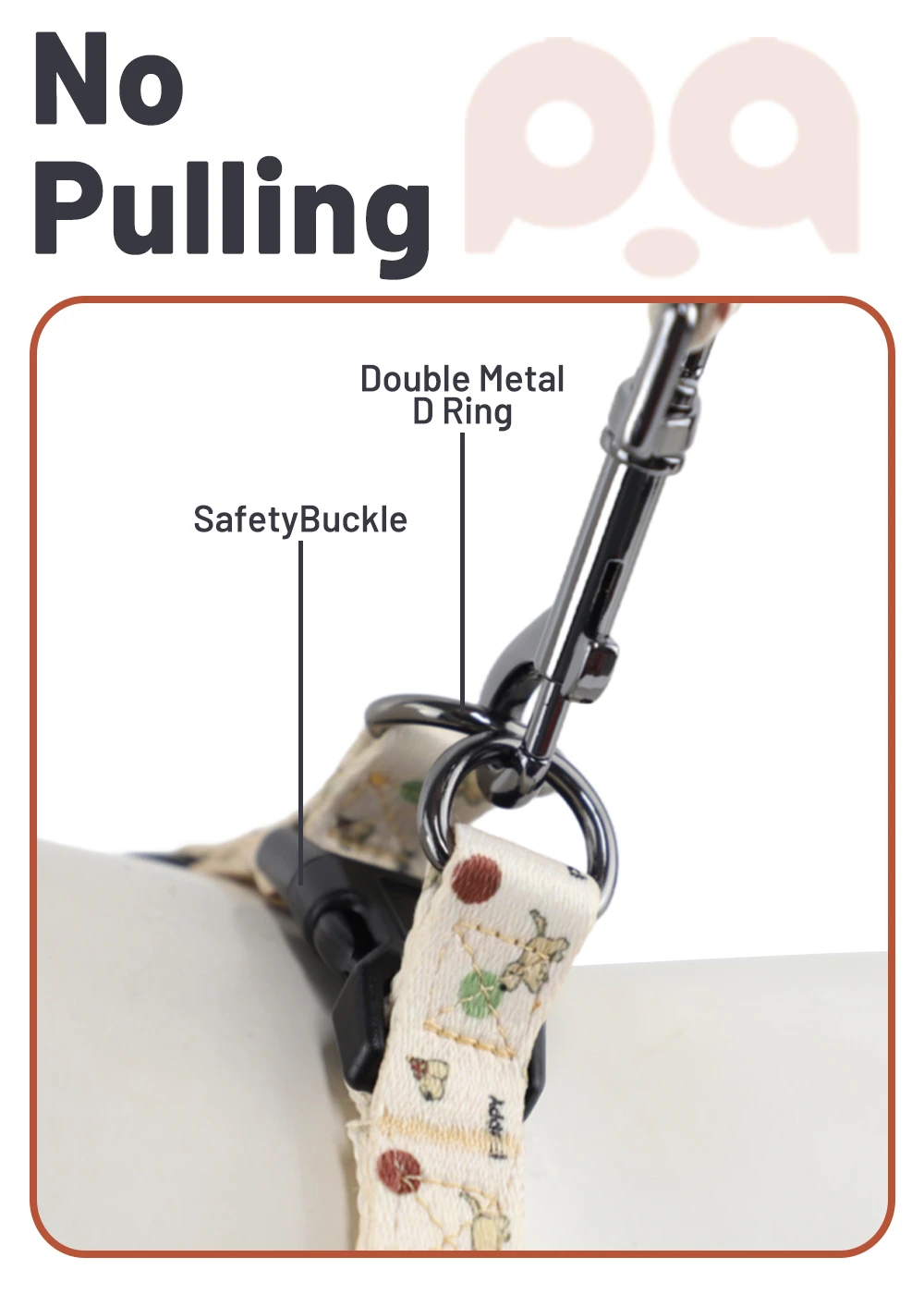
Your brand name is not just a logo; it's a promise to your customer. When they buy your product, they trust that it is safe, durable, and well-made6. This trust is the most valuable asset you have. A trading company, whose main incentive is finding the lowest price, puts this trust at risk. They may switch between factories of varying quality without your knowledge. As a direct factory partner, our name is on the line alongside yours. We build your brand's promise of quality into every harness we produce.
Branding Through Superior Materials
The materials you choose are a powerful statement about your brand. Opting for high-quality components tells your customer that you care about their pet's safety and comfort.
- Webbing: We use high-density polyester webbing that is both soft to the touch and incredibly strong. The pattern is applied through sublimation7, meaning the ink becomes part of the fabric and will not fade or peel.
- Hardware: We use welded D-rings8 that can withstand strong pulling forces and durable, tested buckles that click securely into place. You can even customize the hardware finish to match your brand's look. This attention to material detail is a quiet but powerful form of branding.
Consistency is a Promise
To trust a brand, customers need consistency. Every harness they buy must have the same high quality as the last. We ensure this through our rigorous, documented quality control system, which has earned us an ISO 9001 certification9. Our own team inspects products at every stage. This systematic approach is the only way to guarantee consistency. It is further proven by our ability to create a high-quality physical sample that perfectly matches your digital design and deliver it in record time. Our "Sample in 3 Days" promise is your first physical proof of our commitment to quality.
| Branding Aspect | Direct Factory (qqpets) | Trading Company / Middleman |
|---|---|---|
| Pattern Creation | Unlimited (AI, Upload, Library) | Limited Catalog |
| Logo Options | Multiple (PVC, Woven, etc.) | One or two basic options |
| Material Control | Direct control over quality | Indirect, can change without notice |
| Quality Assurance | ISO 9001 Certified System | Inconsistent, depends on sourced factory |
How can you affordably brand your products as a new online seller?
You're a startup or small business owner, and you believe true custom branding is too expensive. You feel trapped by the high minimum order quantities (MOQs)10 that force you to risk your entire budget on one design.
You can affordably brand your products by partnering with a modern factory that offers a "lightweight customization" model, featuring low MOQs and direct, transparent pricing that eliminates the middleman.
The old manufacturing world was not built for the agile needs of today's online sellers. We saw this gap and built our entire business model to fill it. We are customization experts who empower brands of all sizes, from a brand-new Shopify store to an established Amazon seller. Adding your brand to a harness should not be a financial burden; it should be an accessible strategy for growth.
Launch a Collection, Not Just a Product
The single biggest obstacle for new brands is the MOQ. A traditional factory might demand 1,000 pieces of a single design. This is a massive, high-risk investment. We've changed the rules. Our MOQ is just 50 pieces per size and design. This is a revolutionary shift. It means that for the same investment a trading company would demand for one generic harness, you can launch an entire collection of 5-10 different harnesses, each with its own unique custom pattern. This allows you to offer more variety, test the market to see which designs sell best, and reduce your financial risk11.
Direct Pricing Equals Higher Profit
When you work with a middleman, you are paying for the product and their commission. This hidden cost eats directly into your profit margin. By working directly with us, the factory, you get a clear, transparent price. There are no hidden fees. This direct financial relationship means you can either offer your customers a more competitive price or enjoy a healthier profit for your business. It makes the entire process of branding your products more sustainable and profitable from day one.
Ready to add your brand to a classic harness the right way? Contact our expert team today to experience the power of a direct factory partnership.
Conclusion
Adding your brand to a harness means creating unique patterns, choosing quality logos, and guaranteeing construction. A factory partner makes this process easy, affordable, and effective for your business.
"An integrative review of sensory marketing: Engaging the senses to ...", https://deepblue.lib.umich.edu/items/145a573e-5926-4e28-8762-e46ff0302ff0. Research on sensory marketing describes brand experience as involving multiple sensory modalities and shows that sensory cues can influence perception, memory, and evaluation of brands. Evidence role: expert_consensus; source type: paper. Supports: Memorable branding can extend beyond a logo into a multisensory product experience.. Scope note: This supports the general branding principle, not the effectiveness of any specific dog-harness branding execution. ↩
"Optimizing brand loyalty through user-centric product package design", https://pmc.ncbi.nlm.nih.gov/articles/PMC10862676/. Studies of visual identity and product design indicate that distinctive visual features can support brand differentiation and recognition in consumer markets. Evidence role: general_support; source type: paper. Supports: Custom patterns can help establish a unique visual identity for a branded product.. Scope note: This provides contextual support for custom patterns as a differentiation tool, not proof that custom harness patterns are the most effective method. ↩
"(PDF) How consumers perceive product appearance", https://www.academia.edu/31524386/How_consumers_perceive_product_appearance_The_identification_of_three_product_appearance_attributes. Research on product appearance and consumer response finds that visible design attributes affect product evaluation and can communicate symbolic or aesthetic value. Evidence role: general_support; source type: paper. Supports: Visible surface design on a product can materially affect consumer perception and branding.. Scope note: The source would support the importance of visible design features generally, not the claim that webbing patterns are the single most impactful harness branding element. ↩
"Visual Identity", https://www.georgetown.edu/visual-identity/. Marketing literature commonly identifies logos as visual brand elements that help identify and differentiate brands when used consistently with other identity cues. Evidence role: definition; source type: paper. Supports: A logo functions as a brand-identifying visual signature within a broader identity system.. Scope note: This supports the role of logos as identity cues, not the quality of any particular logo application method such as PVC patches or woven labels. ↩
"The impact of perceived value on brand image and loyalty", https://pmc.ncbi.nlm.nih.gov/articles/PMC11484097/. Consumer-behavior research links perceived product quality and brand reliability with brand trust, indicating that consistent quality can contribute to customer confidence in a brand. Evidence role: expert_consensus; source type: paper. Supports: Product quality and reliability are important contributors to customer trust.. Scope note: The evidence supports the general relationship between perceived quality and trust, not outcomes for this specific manufacturer or product category. ↩
"Review of Collars, Harnesses, and Head Collars for Walking Dogs - PMC", https://pmc.ncbi.nlm.nih.gov/articles/PMC12345489/. Pet-product safety guidance and animal-welfare resources emphasize that collars, harnesses, and restraints should fit properly and be constructed to avoid injury, escape, or discomfort. Evidence role: general_support; source type: institution. Supports: Customers reasonably expect pet harnesses to be safe, durable, and well made.. Scope note: Such sources support the importance of safety and fit in pet equipment but may not specify manufacturing standards for this exact harness type. ↩
"What Is Dye Sublimation? Process & Applications Explained", https://smartechonline.com/resources/what-is-dye-sublimation-process-applications-explained/. Technical descriptions of dye-sublimation printing explain that sublimation transfers dye into polyester fibers through heat and pressure, producing an image embedded in the material rather than a surface coating. Evidence role: mechanism; source type: education. Supports: Sublimation printing embeds dye into polyester fabric rather than simply applying a surface layer.. Scope note: This supports the mechanism of sublimation on polyester; actual fade resistance depends on ink, fabric, exposure, and process quality. ↩
"Study on Mechanical Properties of Adjustable-Ring-Mode ...", https://pmc.ncbi.nlm.nih.gov/articles/PMC12843322/. Materials and mechanical-engineering references explain that welded metal rings can provide continuous joints designed to bear tensile loads, with performance dependent on material, weld quality, and testing. Evidence role: mechanism; source type: education. Supports: Welded D-rings are used where a closed metal ring is intended to resist pulling forces.. Scope note: This does not verify the load rating of the article’s specific D-rings; product-specific tensile testing would be required for direct proof. ↩
"ISO 9001 explained", https://www.iso.org/home/insights-news/resources/iso-9001-explained.html. ISO describes ISO 9001 as an international standard for quality management systems focused on consistent products and services, process control, and continual improvement. Evidence role: definition; source type: institution. Supports: ISO 9001 certification relates to documented quality-management processes and consistency.. Scope note: This supports what ISO 9001 means; it does not independently verify that the named company currently holds a valid certificate. ↩
"Minimum Order Quantity (MOQ) | Zycus", https://www.zycus.com/glossary/what-is-minimum-order-quantity. Operations and supply-chain literature defines minimum order quantities as supplier-imposed minimum purchase volumes and discusses their role in inventory, cost, and procurement decisions. Evidence role: definition; source type: education. Supports: MOQs can affect purchasing risk and inventory commitments for small sellers.. Scope note: This supports the concept and business relevance of MOQs, not the article’s specific MOQ comparison or pricing claims. ↩
"Product Market Competition and Firm Performance: Business Survival ...", https://pmc.ncbi.nlm.nih.gov/articles/PMC8993680/. Entrepreneurship and lean-startup literature supports testing products in smaller batches or minimum viable forms to learn customer demand before committing larger resources. Evidence role: expert_consensus; source type: paper. Supports: Smaller product runs can help sellers test demand and reduce the risk of committing to a single design.. Scope note: This is contextual support for market testing and risk reduction; it does not prove that the specific MOQ model described will produce better financial outcomes. ↩