 NL
NL  EN
EN  FR
FR  RU
RU  DE
DE  AR
AR  ES
ES  PT
PT  IT
IT  PL
PL  SL
SL  ET
ET  RO
RO  CS
CS  EL
EL  LV
LV 
You trust your pet supplies manufacturer delivers on quality. But this trust is based on their sales pitch, not hard evidence. This blind faith exposes your brand to inconsistent products, customer complaints, and the constant risk of a batch failure that could ruin your reputation.
To truly vet a manufacturer for real quality, you must demand objective proof. This means verifiable international certifications1 like ISO 9001, a transparent multi-stage quality control process2, and a stable, direct-factory partnership3 that guarantees consistency from the first sample to the thousandth unit.

For any brand owner, "quality" is the cornerstone of their promise to the customer. When sourcing from a pet supplies manufacturer, you are told you will receive a quality product. But what does that word actually mean? Is it a subjective feeling? Is it just a claim made by a salesperson? For many brands who work with trading companies or unverified factories, "quality" is a leap of faith. You have no visibility into their operational standards, their raw material sourcing, or their inspection procedures. You are simply hoping for the best.
This is not a strategy for building a lasting, reputable brand. Real quality is not an accident; it is a result. It is the output of a deliberate, documented, and verifiable system. Vetting a manufacturer means going beyond their website and their sales pitch. It means asking for proof. It requires you to act like an auditor, looking for the tell-tale signs that separate a truly professional operation from a simple reseller or a low-grade workshop. This guide provides you with the checklist to do just that.
Do They Have a Certificate or Just a Sales Pitch?
You receive an email from your supplier assuring you their products are "top quality" and "meet international standards." But when you ask to see their factory audit reports or certifications, they change the subject or send you a document that doesn't belong to them.
This is the number one red flag. A manufacturer's claims are meaningless without third-party validation. A truly quality-focused partner proudly displays their ISO 9001 certification4 and other relevant credentials because it is objective proof of their commitment to a systematic approach to quality.
Any company can create a beautiful website and write compelling copy about their commitment to quality. Words are cheap. A trading company, in particular, is skilled at sales and marketing, but they do not control the manufacturing process. They are simply relaying promises made to them by a factory you've never met. This creates a dangerous chain of unverified claims. You are putting your brand's reputation on the line based on a verbal assurance that has no legal or operational standing. If a problem arises, who is truly accountable? Vetting for real quality begins with cutting through the noise and demanding objective, verifiable proof.
The First Vet Check: From Empty Words to Audited Systems
A professional factory invests significant time and resources into achieving and maintaining certifications because it is the universal language of quality.
| Verification Method | The Unvetted Supplier/Trader | The Certified Factory Partner (Us) |
|---|---|---|
| Primary "Proof" | A salesperson's verbal or written claim. | Third-party audited ISO 9001 certification. |
| Transparency | Vague claims of "meeting standards." | We can provide our certification documents for your review. |
| Accountability | None. They can blame their factory. | Our entire system is accountable to the ISO standard. |
| Your Confidence | Based on hope and trust in a salesperson. | Based on objective, internationally recognized proof. |
-
Tertiary Heading: The Meaning of ISO 9001 The International Organization for Standardization's 9001 certification is not a product award; it is a rigorous standard for a company's entire Quality Management System (QMS). An ISO 9001 certified factory, like ours, has been audited by an independent body and proven to have robust systems in place for everything from customer requirement analysis and raw material procurement to employee training, process control, and continuous improvement. It is your guarantee that we are not just "winging it." We have a documented, repeatable, and constantly monitored system designed to produce consistent quality.
-
Tertiary Heading: Beyond General Quality to Specific Safety In addition to a factory-wide QMS, specific products often require their own certifications. For pet supplies sold in Europe, for example, electronic items may require CE marking5 to show they meet health, safety, and environmental protection standards. By partnering with a factory that understands and maintains these product-specific certifications, you ensure your products are not only well-made but also legally compliant for sale in your target markets, protecting you from costly recalls and legal issues.
Is Quality an Inspection or an Integrated Process?
Your supplier sends you a "Quality Control report" which is just a few photos of the finished products in their boxes. But when the shipment arrives, you discover 10% of the harnesses have inconsistent stitching and faulty buckles, issues that were missed in the final check.
This is the fatal flaw of relying on a final inspection. Real quality isn't checked at the end; it is built in at every stage. An elite manufacturer has a multi-stage QC process6 that starts with raw material inspection and continues through every step of production.
Relying on a final inspection to "ensure quality" is like trying to proofread a book by only looking at the cover. By the time a product is fully assembled and packed, it is too late and too expensive to fix underlying defects. A loose stitch, a weak buckle, or a poorly dyed webbing cannot be corrected. A supplier who only performs a final check will either ship these defective goods to you or miss their delivery deadline while they scramble to remake the bad units. This approach is inefficient, wasteful, and inevitably leads to inconsistent product quality for your brand. It demonstrates a fundamental misunderstanding of what manufacturing quality is all about.
The Second Vet Check: A Deep Dive into the QC Process
A serious factory partner will be able to walk you through their entire quality process, which should look something like this.
-
Tertiary Heading: The Multi-Stage Quality Gates A robust QC system is a series of "gates" that a product must pass through. If it fails at any gate, it is stopped and corrected before moving on. Our process includes:
- Incoming Quality Control (IQC)7: Every batch of raw materials—from webbing and thread to buckles and D-rings—is inspected upon arrival to ensure it meets our specifications before it ever enters the production line.
- In-Process Quality Control (IPQC): Our line supervisors and dedicated QC staff perform checks at critical assembly stages. For example, after stitching, we check for thread tension and pattern consistency. After hardware attachment, we check for secure placement.
- Final Quality Control (FQC)8: After the product is fully assembled, it undergoes a final, comprehensive inspection based on an agreed-upon checklist to ensure it meets all aesthetic and functional requirements.
-
Tertiary Heading: The Power of Technology in Quality Assurance Modern factories also leverage technology to enhance quality. When you design your product with our [online 3D design system](https://www.autodesk.com/products/fusion-360/blog/3d-modeling-software-design-process-benefits/)9, you are creating a precise digital specification. This isn't just a picture; it's a data file that our production team uses as a "digital master." It ensures that the placement of your Aangepaste patronen10 and logo is precise and consistent across the entire production run. This removes the ambiguity that often leads to quality errors. Our promise of "Mockup in seconds. Sample in 3 Days11" is not just about speed; it's about accuracy from the very beginning.
Is Their 'Quality' Promise Backed by a Stable Partnership?
Your supplier delivers a great first order. But on your second order, the quality drops, the lead time doubles, and the salesperson you worked with has left the company. Your business is disrupted, and you have to start the search for a new supplier all over again.
This instability is a symptom of working with a disorganized supplier or a middleman. A true quality manufacturer is a stable partner12. They demonstrate this through consistent lead times, a professional and long-tenured service team, and continuous investment in their own infrastructure.
The quality of a product is inseparable from the quality of the organization that produces it. If a manufacturer has high employee turnover13, chaotic production scheduling14, and outdated facilities, it is impossible for them to deliver consistent results for you. Every time you place an order, it's a roll of the dice. Will you get the same person to help you? Will they remember your specifications? Will they be able to get your order onto the production line in a timely manner? This uncertainty makes it impossible to run your business effectively. You can't plan marketing campaigns or guarantee stock levels to your customers when your supply chain is built on a foundation of instability.
The Third Vet Check: Assessing the Health of the Organization
Look for signs that the manufacturer is a stable, long-term business that is invested in your success.
| Partnership Stability | The Unreliable Supplier | The Stable Factory Partner (Us) |
|---|---|---|
| Service Team | High turnover, inexperienced reps. | Dedicated, professional, and long-tenured expert team. |
| Lead Times | Unpredictable. Varies wildly with each order. | Stable and predictable lead times you can plan around. |
| Infrastructure | No physical presence, just an office or website. | We own 3 production lines and invest in our facilities. |
| Bedrijfsmodel | Transactional. Focused on a single sale. | Relational. Focused on your long-term growth. |
-
Tertiary Heading: The Value of an Expert Team When you have a question or an issue, who do you talk to? At a trading company, you're talking to a salesperson. At our factory, you are assigned a dedicated project expert15. This person isn't just a point of contact; they are a partner who understands our production capabilities, knows your project history, and is empowered to solve problems quickly. This level of professional service is a direct indicator of a well-run, quality-focused organization.
-
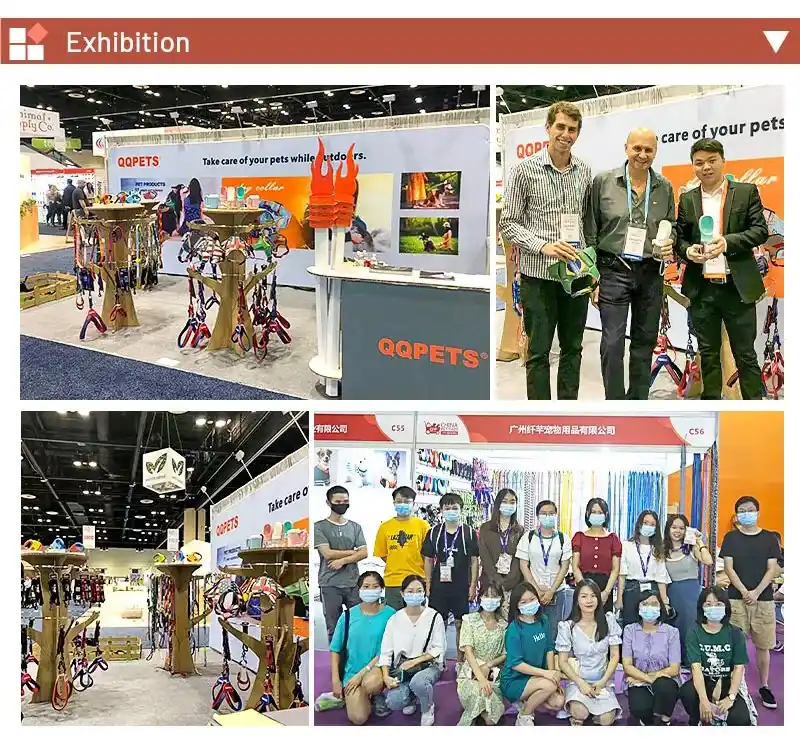
Tertiary Heading: Investing in the Future (and Your Brand) A company's willingness to invest in its own infrastructure is a powerful signal of its stability and long-term vision. We have invested heavily in our three modern production lines16, our technology platforms like the 3D design system, and our physical showroom. We do this because we are not a short-term player. We are building a world-class manufacturing operation17 designed to support the growth of our brand partners for years to come. When you partner with us, you are partnering with a stable foundation you can build your business on. Ready to partner with a manufacturer that passes every quality check? Contact our expert team to begin.
Conclusie
Vetting a manufacturer for real quality requires moving beyond promises and demanding proof. By checking for certifications, examining their process, and assessing their stability, you can find a true partner who will help you build a brand known for excellence.
---Understanding these certifications ensures your manufacturer meets global quality standards, protecting your brand's reputation. ↩
Exploring this process helps ensure consistent product quality from raw materials to final assembly. ↩
A direct-factory partnership guarantees consistency and reliability in product quality and delivery. ↩
ISO 9001 certification is a key indicator of a manufacturer's commitment to quality management systems. ↩
CE marking ensures products meet EU health, safety, and environmental standards, crucial for legal compliance. ↩
A multi-stage QC process ensures quality is built into every stage of production, reducing defects. ↩
IQC ensures raw materials meet specifications before production, preventing defects early on. ↩
FQC ensures the finished product meets all quality standards before shipment, crucial for customer satisfaction. ↩
This system ensures precise specifications, reducing errors and enhancing product consistency. ↩
Custom Patterns ensure brand-specific designs are accurately reproduced, enhancing product appeal. ↩
This promise highlights speed and accuracy in product development, crucial for timely market entry. ↩
A stable partner ensures consistent quality and reliable delivery, essential for business growth. ↩
High turnover can lead to inconsistent quality and disrupted production schedules, impacting reliability. ↩
Chaotic scheduling can lead to delays and quality issues, affecting customer satisfaction and trust. ↩
A dedicated expert ensures personalized service and problem-solving, enhancing customer experience. ↩
Modern production lines enhance efficiency and consistency, crucial for maintaining high-quality standards. ↩
A world-class operation ensures top-tier quality, reliability, and innovation, vital for competitive advantage. ↩