
 NL
NL  EN
EN  FR
FR  RU
RU  DE
DE  AR
AR  ES
ES  PT
PT  IT
IT  PL
PL  SL
SL  ET
ET  RO
RO  CS
CS  EL
EL  LV
LV 
Training dogs to walk calmly on a leash is an essential aspect of pet ownership that ensures safety and good behavior in public spaces. While many pet owners opt for a collar, a harness provides more control, distributes pressure more evenly around the dog’s body, reducing strain on their neck and back. However, transitioning from a collar to a harness or introducing a puppy to a harness for the first time can be a challenge. This guide outlines five best practices to make the process smoother and more enjoyable for both you and your dog.
Wat zijn de voordelen van het dragen van een hondentuigje?
Before diving into the training practices, it’s crucial to understand why a harness is a beneficial tool for leash training. Unlike collars, which can put pressure on a dog’s throat, harnesses distribute the force across a larger area of the body, reducing the risk of injury. This is particularly important for breeds prone to respiratory problems or those that tend to pull on the leash. Additionally, harnesses provide better control over your dog’s movement, making walks safer, especially in crowded or potentially dangerous environments.
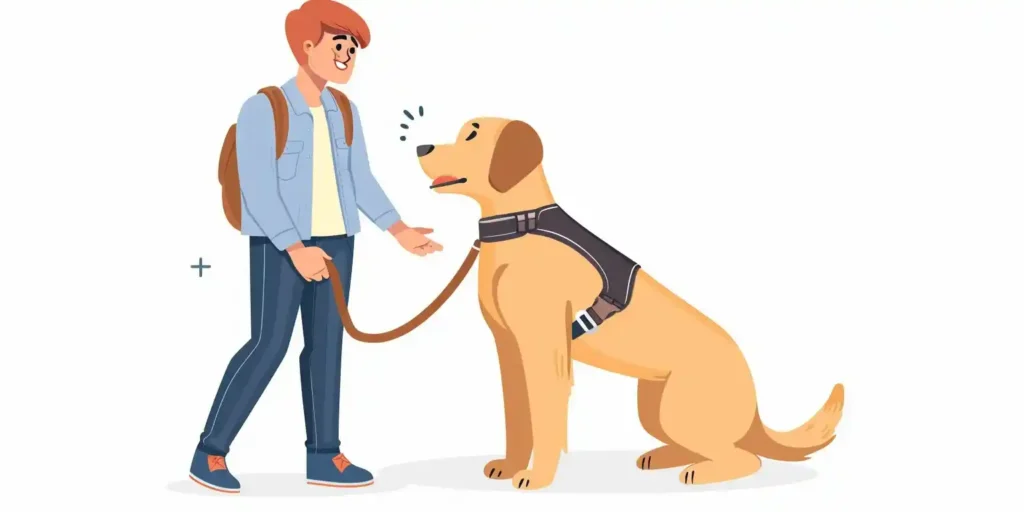
1. Geleidelijke introductie tot het harnas
Begin met een positieve associatie
De sleutel tot een succesvolle tuigjestraining is ervoor zorgen dat uw hond het tuigje associeert met positieve ervaringen. Begin met de introductie van het tuigje tijdens een rustig moment waarop uw hond ontspannen is. Plaats het tuigje in de buurt van hun slaapplaats of bij hun speelgoed, zodat ze het op een natuurlijke manier kunnen verkennen. Elke keer dat ze interesse tonen in het tuigje, beloont u ze met lekkers of genegenheid. Deze associatie bouwt een basis van vertrouwen en nieuwsgierigheid.
De snuffel- en beloningsmethode
Moedig je hond aan om aan het harnas te snuffelen en ermee te werken door er traktaties rond en in te leggen. Deze methode maakt van het harnas een bron van lekkere dingen, wat toekomstige trainingssessies vergemakkelijkt. Geduld is cruciaal tijdens deze fase; haast of forceer het harnas nooit aan uw hond, want dit kan leiden tot angst en weerstand.
2. Positieve bekrachtiging en consistentie
Traktaties en lof
Als je begint met het omdoen van het harnas, blijf dan traktaties en verbale complimenten gebruiken om positief gedrag te versterken. Begin met één poot door het harnas te halen en beloon dan. Werk geleidelijk op naar het vastmaken van het harnas, en zorg ervoor dat u elke stap beloont. Gebruik een vrolijke, aanmoedigende toon om de ervaring zo aangenaam mogelijk te maken.
Consistente trainingssessies
Korte, consequente trainingssessies zijn effectiever dan sporadische, langere sessies. Streef naar dagelijkse oefening, waarbij de duur van het dragen van het tuigje geleidelijk wordt verlengd. Consistentie in commando's, traktaties en lof helpt uw hond te begrijpen wat er verwacht wordt, waardoor het leerproces sneller en plezieriger verloopt.
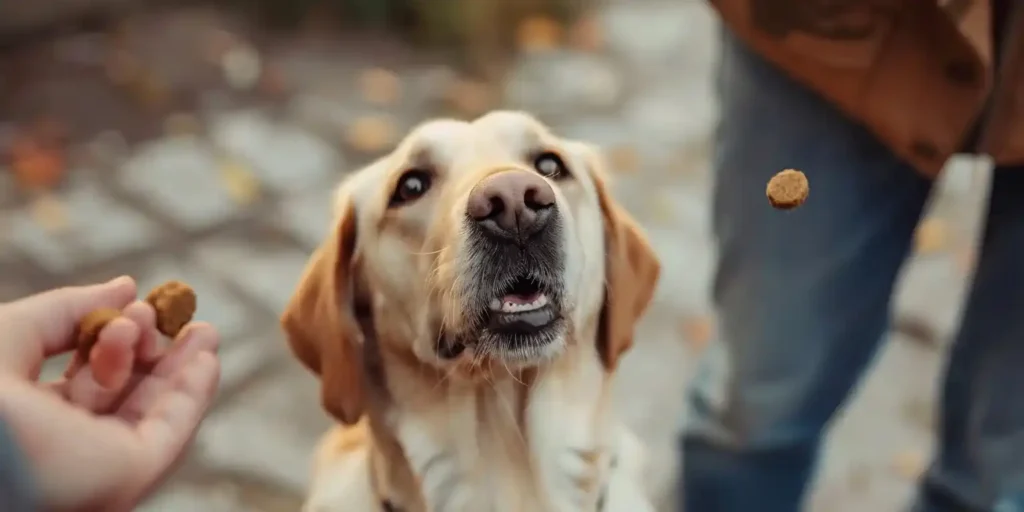
3. Zorgen voor de juiste pasvorm
A correctly fitting harness is vital for your dog’s comfort and safety. A harness that’s too tight can cause discomfort or chafing, while one that’s too loose may not provide adequate control. Follow the manufacturer’s sizing guide and adjust the straps according to your dog’s size and shape. Regular checks and adjustments are necessary as your dog grows or if their weight changes.
Proberen en falen
Finding the perfect fit may require some trial and error. Observe your dog’s reaction to the harness during walks. Signs of discomfort or irritation should prompt an adjustment. If problems persist, consider trying a different style or size.
4. Wandelingen opnemen in de training
Once your dog is comfortable wearing the harness indoors, it’s time to venture outside. Start with short walks in familiar, quiet areas to minimize distractions. Gradually introduce more challenging environments, such as busier streets or parks. Always monitor your dog’s comfort and behavior, adjusting the training pace as needed.
Afleidingstraining
Training in de buitenlucht is een uitstekende gelegenheid om uw hond te leren zich ondanks afleiding op u te concentreren. Gebruik traktaties en commando's om hun aandacht vast te houden en beloon kalm en gehoorzaam gedrag. Dit versterkt niet alleen de training met een harnas, maar verbetert ook de algehele omgang met de lijn.

5. Geduld en begrip
Every dog learns at their own pace, and it’s essential to remain patient and understanding throughout the training process. Celebrate small victories and don’t be discouraged by setbacks. If your dog struggles with a particular step, take a break and revisit it later. Sometimes, a different approach or more time is all that’s needed.
Zoek professionele hulp als dat nodig is
If you encounter persistent difficulties, consider enlisting the help of a professional dog trainer. They can offer personalized guidance and strategies tailored to your dog’s temperament and learning style.
Conclusie
Transitioning to a harness can significantly improve your walking experiences, offering more safety and control. By following these best practices, you can ensure a smooth and positive training process for you and your dog. Remember, the key to success lies in patience, consistency, and a deep understanding of your dog’s needs and responses. With time and practice, your dog will learn to associate the harness with enjoyable walks and adventures, making it an indispensable tool for their well-being and your peace of mind.
QQPETS is de toonaangevende groothandel in hondenaccessoires met verstelbare harnassen voor honden en andere artikelen die mensen kunnen gebruiken bij het uitlaten van hun hond. Ons doel is om het uitlaten van honden gemakkelijk te maken voor huisdiereigenaren door waardevolle accessoires te leveren. We bieden een verscheidenheid aan aanpassingsdiensten, waaronder aangepaste logo's, aangepaste afbeeldingen, aangepaste producten en meer. Als u een bedrijf wilt starten in hondenartikelen, bekijk dan onze website en neem vandaag nog contact met ons op.