 RU
RU  EN
EN  FR
FR  DE
DE  AR
AR  ES
ES  PT
PT  IT
IT  NL
NL  PL
PL  SL
SL  ET
ET  RO
RO  CS
CS  EL
EL  LV
LV 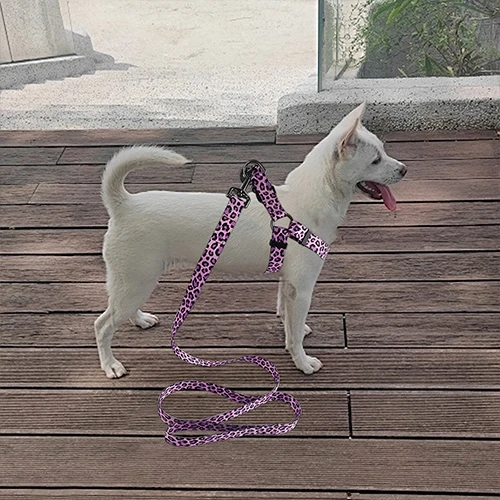
You want to launch an amazing custom dog harness line, but the path feels overwhelming. You're worried about quality, high costs, and a complicated design process that doesn't match your vision. So, how can you create your brand's best custom dog harness line with a factory partner that makes it easy?
The secret is to choose a factory partner that has mastered two things: uncompromising product quality and a revolutionary digital system that gives you complete creative control. This partnership turns the complex process of creating a harness line into a simple, fast, and low-risk journey.
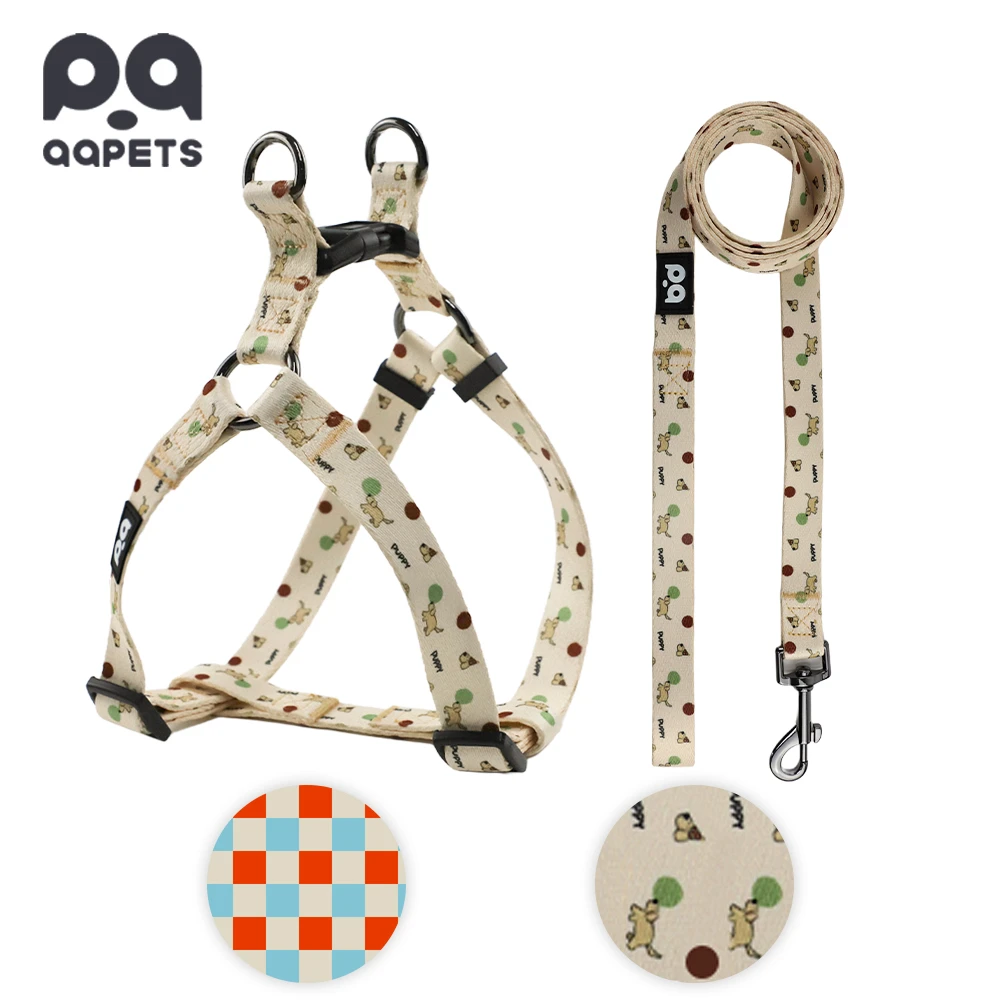
My name is Cathy, and I am a customization expert at qqpets, a factory specializing in the pet traction industry. I talk to online brand sellers every day, and I see the same struggle. They have a fantastic vision for a harness line, but they don't know how to bring it to life without the risk. A true factory partner doesn't just make products; they provide a clear path to success. Therefore, our entire process is designed to empower you with foundational quality and creative freedom.
But doesn't the "best" harness line just mean having cool designs?
You're completely focused on creating a unique, eye-catching pattern. However, you overlook the harness's structural integrity—the strength of the buckles, the durability of the D-rings, and the quality of the stitching. A single product failure can shatter customer trust and destroy your brand's reputation overnight.1
Absolutely not. The best harness line must be built on a foundation of safety and reliability2. A cool design on a weak harness isn't a great product; it's a future problem. The very first requirement is that the harness must be exceptionally well-made and safe for the pets who will wear it.
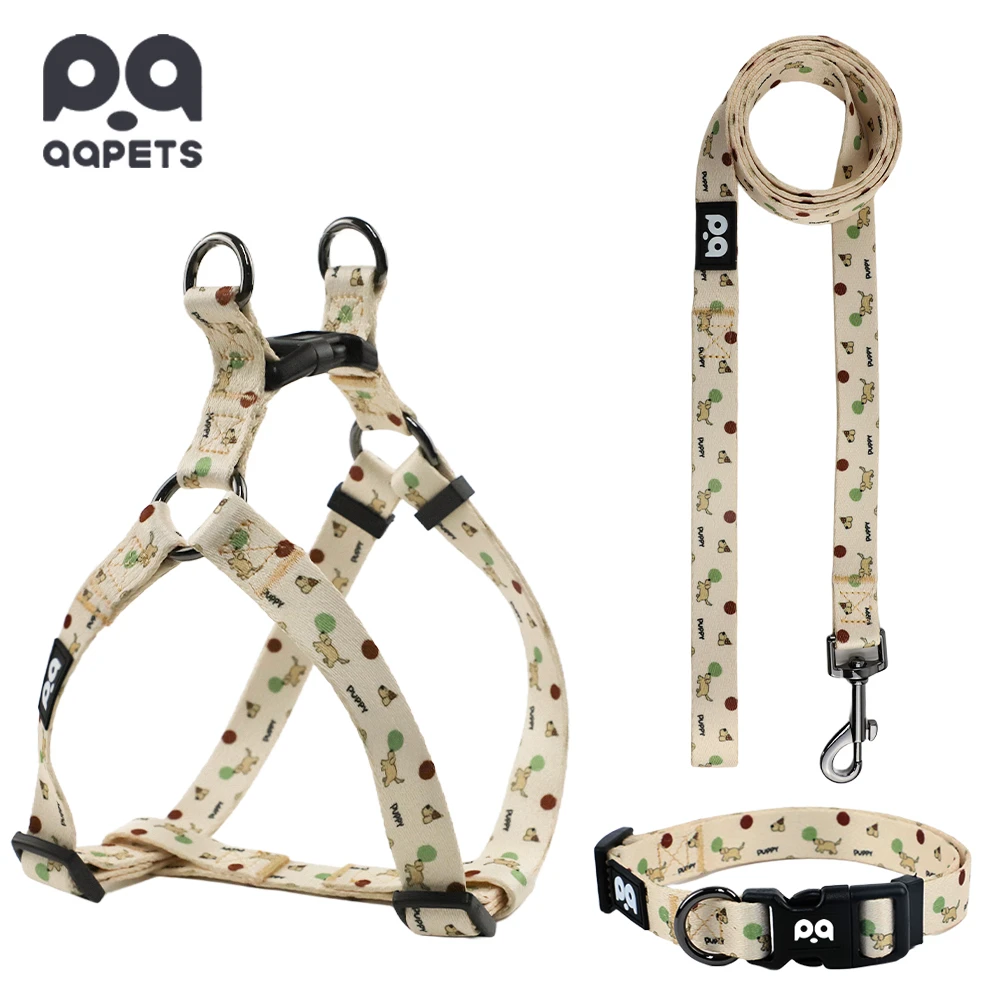
This is where a true factory partner proves its worth. As an ISO 9001 certified manufacturer3, our commitment to quality is not just a talking point; it's a verified system. Our expertise begins with materials science. We select high-tensile strength webbing that is soft yet durable, and we source load-tested hardware4 to ensure maximum safety. Our reinforced stitching patterns are strategically placed at all stress points to prevent failure5. This foundational quality is the mandatory starting point for every single harness we produce. It provides the rock-solid base upon which your beautiful custom designs can confidently be built.
Building a Harness Line: The Partner's Blueprint
A great partner focuses on the complete product, not just one aspect.
| Feature | The Generic Supplier Approach | The Expert Partner Approach |
|---|---|---|
| Безопасность | Uses standard, untested components. | Provides specs on load-tested buckles and D-rings. |
| Комфорт | Uses rough, standard webbing. | Selects specific webbing weaves for softness against the dog's fur6. |
| Долговечность | Simple stitching that can fray. | Employs reinforced box stitching at all key stress points. |
| Branding | A simple logo that might wear off. | Offers durable logo options (woven, PVC) integrated into the design7. |
So, how do you make the 'custom' process fast, creative, and low-risk?
You now understand that quality is the essential foundation. But you still face the challenge of creation. You aren't a graphic designer, you can't wait weeks for a sample, and you definitely can't afford to order thousands of units for an untested design. How can you possibly compete?
You compete by choosing a partner who has invested in technology to solve these exact problems8. We make customization fast, creative, and low-risk by giving you powerful digital tools and a flexible production model. This is the strategy behind our promise to you: "Mockup in seconds. Sample in 3 Days."
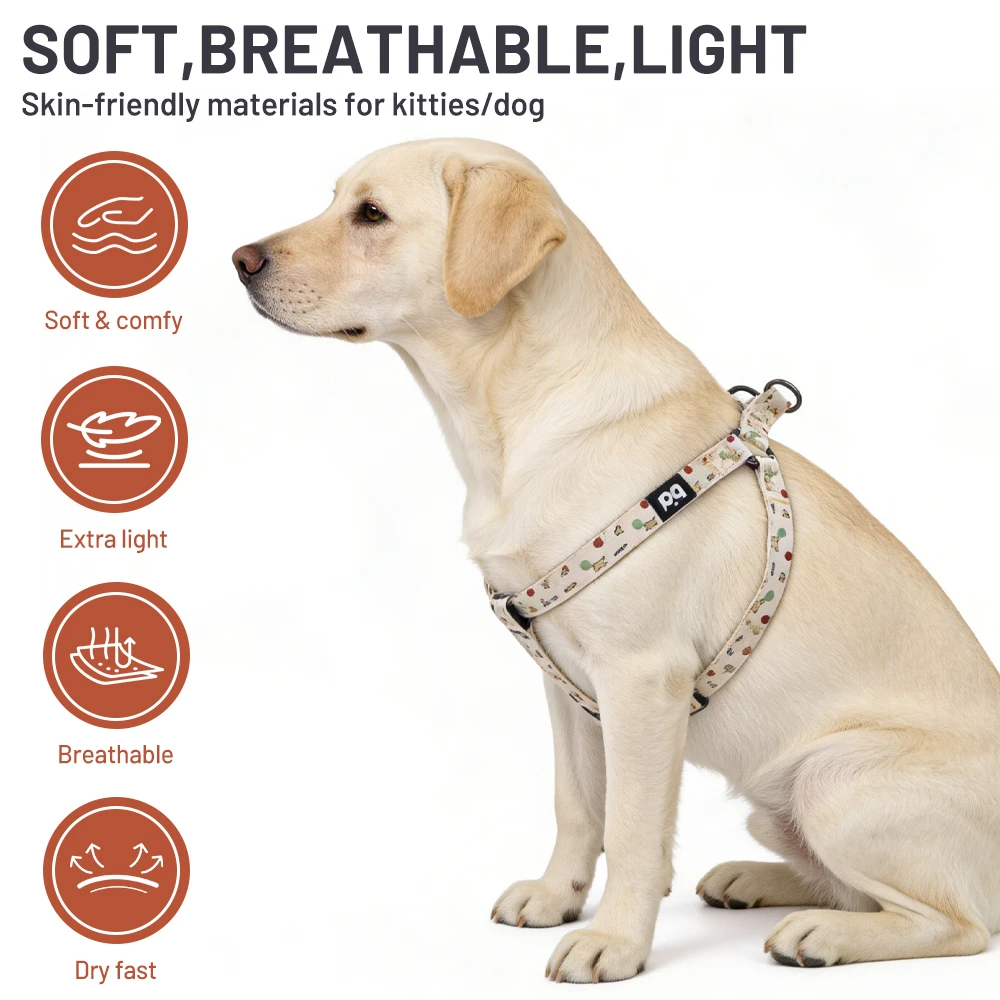
As experts in lightweight customization for global online brands, we know you need speed and flexibility. We built our free 3D Mockup System to put the power of a design studio directly into your hands. This is our key innovation. It eliminates guesswork and long email chains. Instead of trying to explain your vision, you build it yourself, instantly and visually. The system is incredibly intuitive and requires no technical skill. It's how you can turn a simple idea into a full product line with complete confidence.
Your 3-Step Journey to a New Harness Line
- 1. Generate Unlimited Ideas with AI: Lacking a design? It's not a problem. Go to our design system and tell our AI Pattern Generator9 what you want. "Tropical flowers and parrots," "retro synthwave sunset," or "corgis wearing sunglasses." It will create unique Пользовательские узоры for you in seconds.
- 2. Build Your Line in 3D10: Apply your new patterns to various harness styles in our 3D system. See your entire product line come to life. Adjust logos, change hardware, and perfect every detail until you are 100% satisfied. This is instant, visual creation.
- 3. Launch with Minimal Risk: The final step is testing the market. With our industry-leading low MOQ of just 50 pieces per size and design, you can launch multiple new products at once. This allows you to see what sells without a massive financial investment11.
Are you ready to build your best harness line with a true partner? I invite you to contact our expert team today to start the journey.
Заключение
Creating your brand's best custom dog harness line is a partnership. It requires a factory that provides both a rock-solid foundation of quality and an innovative digital system that makes your creative vision fast, easy, and affordable.
"How Should a Company Respond to a Product Harm Crisis ...", https://www.academia.edu/340592/How_Should_a_Company_Respond_to_a_Product_Harm_Crisis_The_Role_of_Corporate_Reputation_and_Consumer_Based_Cues. Research on product-harm crises supports that defective or unsafe products can reduce consumer trust and damage brand evaluations, although the magnitude of reputational loss varies by brand, response, and severity of the incident. Evidence role: expert_consensus; source type: paper. Supports: Product failures can seriously damage customer trust and brand reputation.. Scope note: The evidence would support the general reputational risk of product failure, not prove that any single harness failure would always destroy a brand overnight. ↩
"Center for Pet Safety | The Science of Pet Safety®", https://centerforpetsafety.org/. Consumer product safety literature and pet restraint testing discussions support treating mechanical safety and reliability as baseline requirements for products used to restrain animals, though they do not define a universal standard for all walking dog harnesses. Evidence role: general_support; source type: institution. Supports: A dog harness line should prioritize safety and reliability before aesthetics.. Scope note: Support is contextual because dog walking harnesses may not be governed by one comprehensive international safety standard. ↩
"ISO 9001:2015 - Quality management systems — Requirements", https://www.iso.org/standard/62085.html. The International Organization for Standardization describes ISO 9001 as a quality-management-system standard focused on consistent processes and continual improvement; this supports the relevance of ISO 9001 to manufacturing quality systems but does not independently verify the manufacturer's certification status. Evidence role: definition; source type: institution. Supports: ISO 9001 certification is relevant to a manufacturer's formal quality-management system.. Scope note: A separate certificate or accredited registrar record would be needed to verify the specific manufacturer's ISO 9001 certification. ↩
"Small Scale Mechanical Testing | NIST", https://www.nist.gov/programs-projects/small-scale-mechanical-testing. Mechanical testing standards and engineering references support that load testing evaluates whether components withstand specified forces, providing contextual support for using load-tested buckles and rings in restraint products. Evidence role: mechanism; source type: research. Supports: Load testing is an appropriate way to evaluate hardware used in load-bearing harness assemblies.. Scope note: The source would support the testing principle, not confirm the load rating or test results of any particular buckle or D-ring. ↩
"Impact of Stitch Type and Stitch Density on Seam Properties", https://www.academia.edu/110624536/Impact_of_Stitch_Type_and_Stitch_Density_on_Seam_Properties. Textile and sewn-product engineering research shows that seam construction, stitch type, and reinforcement affect seam strength and failure under load, supporting the importance of reinforced stitching at high-stress locations. Evidence role: mechanism; source type: paper. Supports: Reinforced stitching at stress points can improve resistance to seam failure in load-bearing textile products.. Scope note: The source would support the engineering rationale generally, not validate the manufacturer's specific stitching pattern. ↩
"Quantifying Tactile Perception of Fabrics Using Both Frictional and ...", https://pmc.ncbi.nlm.nih.gov/articles/PMC12804228/. Textile science literature indicates that fabric structure, weave, surface roughness, and friction influence tactile comfort, supporting the general claim that webbing construction can affect softness against skin or fur. Evidence role: mechanism; source type: paper. Supports: Webbing weave and surface properties can influence perceived softness and comfort.. Scope note: The evidence would be indirect if based on human tactile comfort studies rather than dog-specific fur and skin testing. ↩
"3D Printing onto Textiles: A Systematic Analysis of the Adhesion Studies", https://pmc.ncbi.nlm.nih.gov/articles/PMC11057686/. Textile durability research on labels, coatings, and printed or woven constructions can support that logo application method affects abrasion resistance and longevity, although performance depends on materials, process, and use conditions. Evidence role: general_support; source type: paper. Supports: Logo application methods can differ in durability and wear resistance.. Scope note: The source would not prove that woven or PVC logos are always more durable than every printed alternative. ↩
"Cutting Edge: Production - Cornell University", https://courses.cit.cornell.edu/cuttingedge/production/04_production.htm. Mass-customization research describes how digital configuration and design tools can support product variety, customer co-design, and more efficient customization workflows, providing general support for the role of technology in custom product development. Evidence role: expert_consensus; source type: paper. Supports: Digital tools can help address speed, design, and customization challenges in product development.. Scope note: The evidence would support digital customization generally, not demonstrate the effectiveness of this specific factory's tools. ↩
"A Review on Generative AI for Text-to-Image and ...", https://arxiv.org/html/2502.21151v2. Research on text-to-image generative models shows that AI systems can synthesize visual outputs from natural-language prompts, supporting the general feasibility of prompt-based pattern generation. Evidence role: mechanism; source type: paper. Supports: AI tools can generate visual pattern concepts from text prompts.. Scope note: The evidence would establish the capability of generative AI broadly, not evaluate the quality, originality, or legal status of patterns produced by this specific tool. ↩
"3D Virtual Prototyping Traces New Avenues for Fashion Design and ...", https://www.researchgate.net/publication/317059989_3D_Virtual_Prototyping_Traces_New_Avenues_for_Fashion_Design_and_Product_Development_A_Qualitative_Study. Research on virtual prototyping and 3D product visualization supports that digital models can help evaluate designs before physical production and can reduce iteration in product-development workflows. Evidence role: mechanism; source type: paper. Supports: 3D visualization can help brands develop and evaluate product designs before production.. Scope note: The source would support the general benefit of 3D visualization, not the performance of the specific 3D mockup system described in the article. ↩
"Adaptive Optimal Market Making Strategies with Inventory ...", https://arxiv.org/html/2405.11444v1. Operations and entrepreneurship literature supports that smaller production batches and lower initial order quantities can reduce inventory exposure and allow market testing before scaling, though cost advantages depend on unit economics and supply-chain terms. Evidence role: general_support; source type: paper. Supports: Low minimum order quantities can help brands test products with less upfront inventory risk.. Scope note: The source would support the risk-reduction logic of low MOQs, not verify that 50 pieces is industry-leading or financially optimal for every seller. ↩